
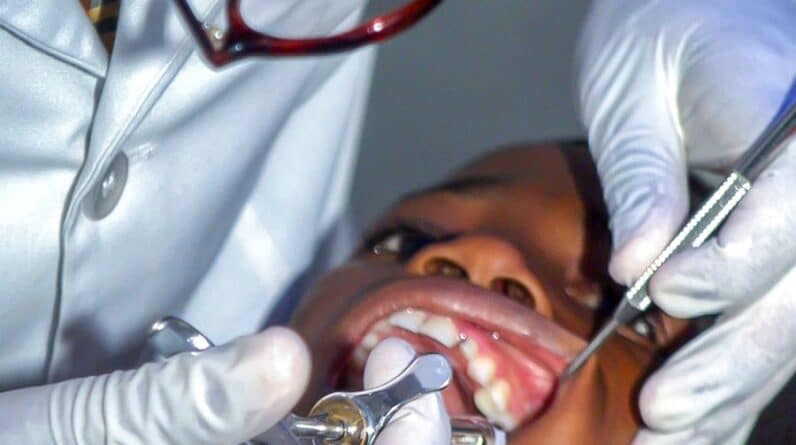
Sedation dentistry is a specialized approach to dental care that aims to alleviate anxiety and discomfort during dental procedures. If you’ve ever felt nervous about visiting the dentist, you’re not alone. Many individuals experience varying degrees of dental anxiety, which can prevent them from seeking necessary treatment.
Sedation dentistry offers a solution by using medication to help you relax, making your dental experience more manageable and less stressful. This practice allows you to undergo procedures that you might otherwise avoid, ensuring that your oral health remains a priority. In essence, sedation dentistry encompasses a range of techniques designed to calm your nerves and enhance your comfort during dental visits.
Whether it’s a routine cleaning or a more complex procedure, sedation can help you feel at ease. The level of sedation can vary based on your needs and the type of procedure being performed, allowing for a tailored approach that prioritizes your comfort and well-being. By understanding what sedation dentistry entails, you can make informed decisions about your dental care and take proactive steps toward maintaining your oral health.
Summary About The Post:
- Sedation dentistry involves using medication to help patients relax during dental procedures
- Common types of sedation used in dentistry include nitrous oxide, oral sedatives, and IV sedation
- Sedation dentistry can benefit patients with dental anxiety, sensitive gag reflex, or the need for extensive dental work
- Risks and side effects of sedation dentistry may include nausea, dizziness, and allergic reactions
- To prepare for sedation dentistry, patients may need to fast before the procedure and arrange for a ride home afterward
Types of Sedation Used in Dentistry
When it comes to sedation dentistry, there are several types of sedation methods available, each catering to different levels of anxiety and comfort. The most common forms include nitrous oxide, oral sedation, and intravenous (IV) sedation. Nitrous oxide, often referred to as “laughing gas,” is a mild sedative that you inhale through a mask placed over your nose.
It works quickly to induce a state of relaxation while allowing you to remain awake and responsive during the procedure. This method is particularly popular for patients with mild anxiety or those undergoing less invasive treatments. Oral sedation involves taking a prescribed medication before your appointment, which helps you feel calm and relaxed.
Depending on the dosage, this method can range from minimal sedation, where you remain awake but drowsy, to moderate sedation, where you may have little to no memory of the procedure. IV sedation is another option that provides a deeper level of sedation, allowing for a more profound sense of relaxation. This method is administered directly into your bloodstream, enabling the dentist to adjust the level of sedation as needed throughout the procedure.
Each type of sedation has its own benefits and considerations, so discussing your options with your dentist is essential to determine the best fit for your needs.
Who Can Benefit from Sedation Dentistry?
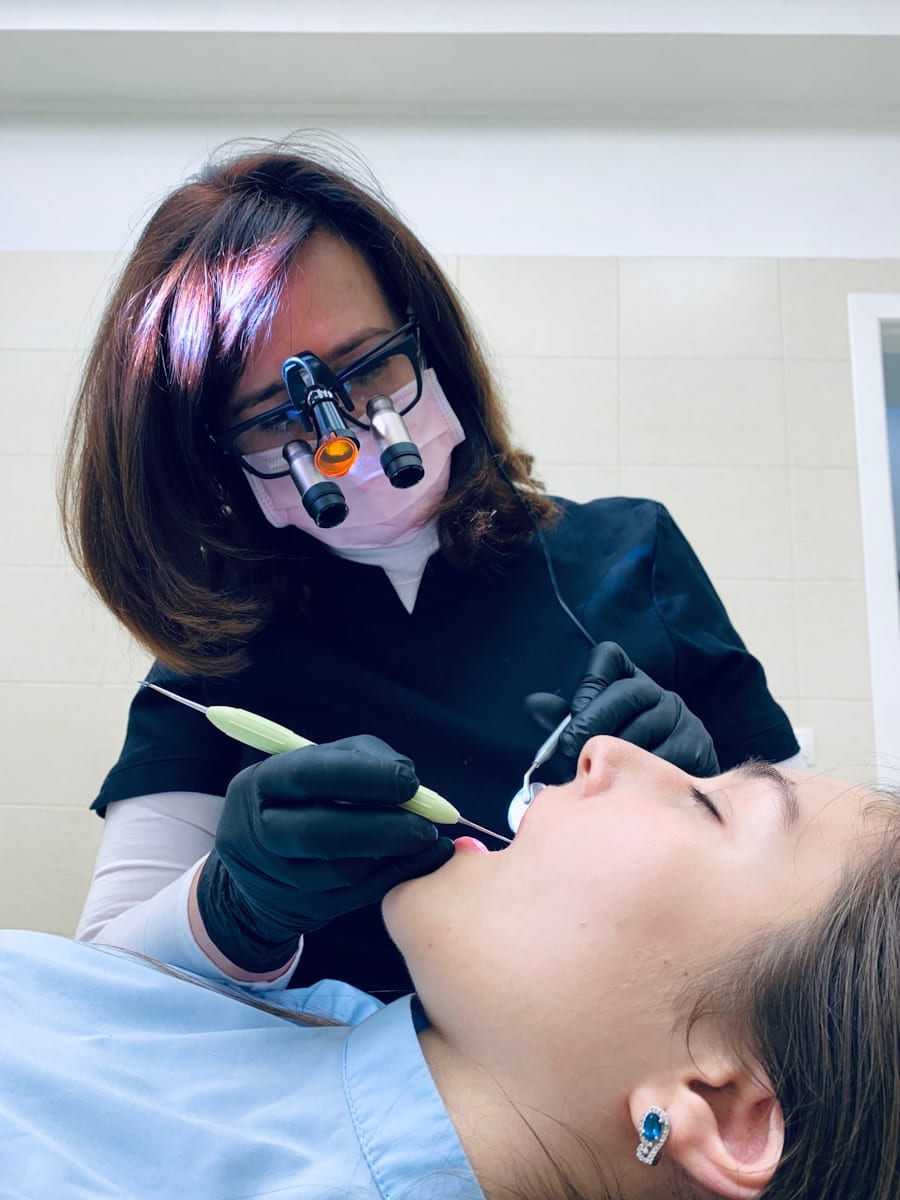
Sedation dentistry can be beneficial for a wide range of individuals, particularly those who experience anxiety or fear related to dental visits. If you find yourself feeling tense or panicked at the thought of sitting in the dentist’s chair, sedation dentistry may be an ideal solution for you. Additionally, individuals with a low pain threshold or those who have had negative experiences in the past may also find comfort in this approach.
By utilizing sedation techniques, you can transform your dental visits from sources of stress into more manageable experiences. Moreover, sedation dentistry is not limited to those with anxiety; it can also be advantageous for patients undergoing lengthy or complex procedures. If you require extensive dental work, such as multiple extractions or restorative treatments, sedation can help you remain comfortable throughout the process.
Additionally, individuals with special needs or those who have difficulty sitting still for extended periods may benefit from sedation dentistry as it allows for a smoother and more efficient treatment experience. Ultimately, if you have concerns about pain or anxiety during dental procedures, discussing sedation options with your dentist can help you determine if this approach is right for you.
Risks and Side Effects of Sedation Dentistry
While sedation dentistry offers numerous benefits, it’s important to be aware of potential risks and side effects associated with its use. Although serious complications are rare when administered by trained professionals, some individuals may experience adverse reactions to sedative medications. Common side effects can include drowsiness, nausea, and dizziness after the procedure.
In some cases, patients may also experience temporary memory loss regarding the events that occurred during their appointment. Additionally, certain medical conditions or medications may increase the risk of complications during sedation dentistry. For instance, individuals with respiratory issues or sleep apnea may face heightened risks when sedated.
It’s crucial to provide your dentist with a comprehensive medical history and discuss any medications you are currently taking to ensure that sedation is safe for you. By being informed about potential risks and side effects, you can make educated decisions regarding your dental care and work closely with your dentist to mitigate any concerns.
How to Prepare for Sedation Dentistry
Preparing for sedation dentistry involves several important steps to ensure a smooth and successful experience. First and foremost, it’s essential to have an open dialogue with your dentist about your medical history and any concerns you may have regarding sedation. This conversation will help your dentist determine the most appropriate type of sedation for your needs and address any potential risks associated with your specific situation.
In addition to discussing your medical history, you will likely receive specific instructions regarding food and drink before your appointment. Depending on the type of sedation used, you may be advised to refrain from eating or drinking for several hours prior to your visit. This precaution helps minimize the risk of complications during the procedure.
It’s also wise to arrange for someone to accompany you home after your appointment, especially if you are receiving moderate or deep sedation. Having a trusted friend or family member by your side can provide peace of mind as you recover from the effects of the sedative.
What to Expect During a Sedation Dentistry Appointment

On the day of your appointment, you can expect a calm and supportive environment designed to help ease any lingering anxiety. Upon arrival at the dental office, the staff will guide you through the process and ensure that you feel comfortable before proceeding with treatment. Once settled in, your dentist will administer the chosen form of sedation based on your earlier discussions.
If you’re receiving nitrous oxide, you’ll breathe in the gas through a mask; if you’re using oral or IV sedation, the medication will be given accordingly. As the sedative takes effect, you’ll likely begin to feel relaxed and at ease. Depending on the level of sedation used, you may remain fully conscious but in a tranquil state or drift into a deeper level of relaxation where time seems to pass quickly.
Throughout the procedure, your dentist will monitor your vital signs and comfort levels closely to ensure that everything is proceeding smoothly. You can rest assured that your safety is their top priority as they work efficiently to complete the necessary treatment while keeping you comfortable.
Aftercare and Recovery from Sedation Dentistry
After your dental procedure is complete, it’s essential to follow proper aftercare guidelines to ensure a smooth recovery from sedation dentistry. Depending on the type of sedation used, you may feel drowsy or disoriented for some time after leaving the dental office. It’s crucial to allow yourself adequate time to rest and recover before resuming normal activities.
If you received moderate or deep sedation, it’s advisable to avoid driving or operating heavy machinery for at least 24 hours post-procedure. Your dentist will provide specific aftercare instructions tailored to your individual needs and the type of procedure performed. This may include recommendations for managing any discomfort or swelling associated with the treatment.
Additionally, staying hydrated and following any dietary restrictions will aid in your recovery process. If you experience any unusual symptoms or have concerns during your recovery period, don’t hesitate to reach out to your dentist for guidance.
Choosing the Right Dentist for Sedation Dentistry
Selecting the right dentist for sedation dentistry is crucial in ensuring a positive experience throughout your treatment journey. Start by researching local dental practices that offer sedation options and read reviews from other patients who have undergone similar procedures. Look for dentists who are experienced in administering sedation safely and effectively while prioritizing patient comfort.
During initial consultations, don’t hesitate to ask questions about their qualifications and experience with sedation dentistry. A reputable dentist will be happy to discuss their approach and address any concerns you may have regarding the process. Additionally, consider their office environment and staff demeanor; a welcoming atmosphere can significantly impact your overall experience.
By taking these steps in choosing the right dentist for sedation dentistry, you can feel confident in receiving quality care tailored to meet your needs while alleviating any anxiety associated with dental visits.
If you are considering sedation dentistry, you may want to read more about the benefits of this option in different locations. For example, a recent article from Boca Raton, Florida discusses how sedation dentistry can help patients with dental anxiety feel more comfortable during their appointments. This article highlights the importance of finding a dentist who offers sedation options to ensure a positive dental experience.
FAQs
What is sedation dentistry?
Sedation dentistry involves the use of medication to help patients relax during dental procedures. It is often used for patients with dental anxiety or fear, or for those undergoing lengthy or invasive procedures.
What are the different types of sedation used in dentistry?
The different types of sedation used in dentistry include nitrous oxide (laughing gas), oral sedatives, intravenous (IV) sedation, and general anesthesia. The type of sedation used depends on the patient’s level of anxiety and the complexity of the dental procedure.
Is sedation dentistry safe?
When administered by a trained and experienced dental professional, sedation dentistry is considered safe. However, there are risks associated with sedation, so it is important for patients to disclose their full medical history and follow pre- and post-sedation instructions provided by the dentist.
Who is a good candidate for sedation dentistry?
Good candidates for sedation dentistry include patients with dental anxiety or fear, those with a low pain threshold, individuals with a strong gag reflex, and patients undergoing extensive dental work or oral surgery.
What should I expect during a sedation dentistry appointment?
During a sedation dentistry appointment, the patient will be closely monitored by the dental team while the sedative takes effect. The patient will feel relaxed and may have little to no memory of the procedure afterwards. It is important to arrange for transportation to and from the appointment, as the effects of the sedative may linger.
Are there any potential side effects of sedation dentistry?
Potential side effects of sedation dentistry may include drowsiness, dizziness, nausea, and headaches. These effects typically subside shortly after the procedure. In rare cases, more serious complications such as respiratory depression or allergic reactions may occur.


