
Tooth decay is a common dental issue that affects individuals of all ages, from children to adults. It occurs when the hard surface of your teeth, known as enamel, begins to break down due to various factors, leading to cavities. This process can be gradual, often going unnoticed until it reaches a more advanced stage.
Understanding tooth decay is crucial for maintaining your oral health and preventing more serious dental problems in the future. The significance of recognizing tooth decay lies in its potential impact on your overall health. Beyond causing discomfort and pain, untreated decay can lead to infections and even tooth loss.
By familiarizing yourself with the signs and causes of tooth decay, you empower yourself to take proactive measures in preserving your dental health. This knowledge not only helps you maintain a beautiful smile but also contributes to your overall well-being.
Key Takeaways
- Tooth decay is the destruction of tooth structure caused by acids that are produced when plaque bacteria break down sugar in the mouth.
- Poor oral hygiene, frequent snacking, and sugary drinks can contribute to tooth decay.
- Cavity formation begins with the demineralization of the tooth enamel, followed by the formation of a cavity in the tooth.
- Symptoms of tooth decay and cavity include toothache, sensitivity to hot and cold, and visible holes or pits in the teeth.
- Prevention of tooth decay involves good oral hygiene, a balanced diet, and regular dental check-ups, while treatment may include fillings, crowns, or root canals.
What Causes Tooth Decay?
Tooth decay is primarily caused by the interaction between bacteria in your mouth and the sugars you consume. When you eat or drink sugary substances, the bacteria feed on these sugars and produce acids as a byproduct. These acids can erode the enamel, leading to decay over time.
It’s essential to recognize that this process is not instantaneous; it often takes months or even years for significant damage to occur. In addition to sugar consumption, other factors can contribute to the development of tooth decay. Poor oral hygiene practices, such as infrequent brushing and flossing, allow plaque—a sticky film of bacteria—to accumulate on your teeth.
If plaque is not removed regularly, it hardens into tartar, which can only be removed by a dental professional. Furthermore, certain medical conditions and medications can reduce saliva production, which plays a vital role in neutralizing acids and washing away food particles. Understanding these causes can help you make informed choices about your diet and oral care routine.
The Process of Cavity Formation

The formation of cavities is a multi-step process that begins with the demineralization of enamel. Initially, when acids produced by bacteria attack the enamel, it loses essential minerals like calcium and phosphate. This stage may not present any noticeable symptoms, but it marks the beginning of decay.
If you neglect proper oral hygiene during this phase, the enamel continues to weaken, leading to the formation of small holes or cavities. As the decay progresses deeper into the tooth structure, it can reach the dentin, which is softer than enamel and more susceptible to damage. At this point, you may start experiencing sensitivity to hot or cold foods and beverages.
If left untreated, the decay can penetrate further into the tooth, reaching the pulp where nerves and blood vessels reside. This stage can result in severe pain and may require more invasive treatments such as root canals or extractions. Understanding this progression emphasizes the importance of early intervention in preventing extensive damage.
Symptoms of Tooth Decay and Cavity
Recognizing the symptoms of tooth decay is vital for timely intervention. Initially, you may not experience any noticeable signs; however, as the decay progresses, you might begin to notice some changes. Common early symptoms include sensitivity to temperature changes, particularly when consuming hot or cold foods and drinks.
You may also experience discomfort when biting down on certain foods. As cavities develop further, you might observe visible signs such as dark spots or holes on your teeth. Bad breath or an unpleasant taste in your mouth can also indicate the presence of decay.
In more advanced stages, you may experience severe toothache or swelling around the affected area. Being aware of these symptoms allows you to seek dental care promptly, potentially saving your tooth from more extensive damage.
Prevention and Treatment of Tooth Decay
Preventing tooth decay requires a combination of good oral hygiene practices and lifestyle choices. Brushing your teeth at least twice a day with fluoride toothpaste is essential for removing plaque and strengthening enamel. Flossing daily helps eliminate food particles and plaque from between your teeth where your toothbrush may not reach.
Additionally, incorporating mouthwash into your routine can provide an extra layer of protection against bacteria. Diet plays a significant role in preventing tooth decay as well. Limiting sugary snacks and beverages can reduce the amount of acid produced by bacteria in your mouth.
Instead, opt for healthier alternatives like fruits, vegetables, and whole grains that are less likely to contribute to decay. Regular dental check-ups are also crucial for early detection and treatment of any potential issues before they escalate into more significant problems. When it comes to treatment, options vary depending on the severity of the decay.
For early-stage cavities, your dentist may recommend fluoride treatments or dental sealants to help remineralize the enamel and protect against further decay. If a cavity has formed, a filling may be necessary to restore the tooth’s structure and function. In more severe cases where the pulp is affected, root canal therapy may be required to save the tooth.
Importance of Regular Dental Check-ups
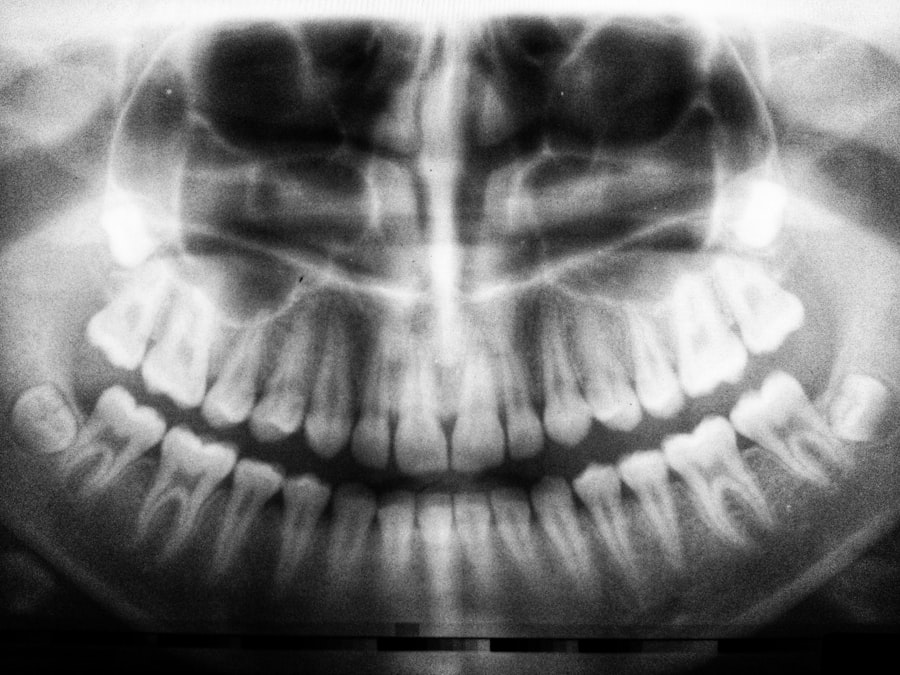
Regular dental check-ups are an essential component of maintaining oral health and preventing tooth decay. During these visits, your dentist can identify early signs of decay that you might not notice on your own. Professional cleanings remove plaque and tartar buildup that regular brushing may miss, ensuring that your teeth remain healthy and free from decay.
Moreover, dental check-ups provide an opportunity for personalized advice on improving your oral hygiene routine. Your dentist can recommend specific products or techniques tailored to your needs, helping you make informed decisions about your dental care. By prioritizing these appointments, you take an active role in safeguarding your oral health and reducing the risk of developing cavities.
Complications of Untreated Tooth Decay and Cavity
Neglecting tooth decay can lead to a range of complications that extend beyond mere discomfort. One significant risk is the potential for infection; as decay progresses deeper into the tooth, bacteria can enter the pulp chamber, leading to an abscess—a painful collection of pus that can cause swelling and fever. This condition often requires immediate medical attention and may necessitate more invasive treatments.
Additionally, untreated cavities can result in tooth loss over time. When a tooth becomes severely decayed or infected, extraction may be the only option left to prevent further complications. Losing a tooth not only affects your ability to chew properly but can also impact your self-esteem and overall quality of life.
Understanding these potential complications underscores the importance of addressing tooth decay promptly.
Maintaining Oral Health to Prevent Tooth Decay and Cavity
Maintaining oral health is crucial for preventing tooth decay and cavities throughout your life. By adopting good oral hygiene practices—such as regular brushing and flossing—and making informed dietary choices, you can significantly reduce your risk of developing dental issues. Additionally, prioritizing regular dental check-ups ensures that any potential problems are identified early on, allowing for timely intervention.
Ultimately, taking proactive steps toward maintaining your oral health not only preserves your smile but also contributes to your overall well-being. By understanding the causes and consequences of tooth decay, you empower yourself to make choices that promote a healthy mouth for years to come. Remember that prevention is always better than treatment; investing time in your oral care today will pay off in a lifetime of healthy teeth and gums.
Tooth decay and cavities are common dental issues that can lead to tooth sensitivity. If left untreated, they can cause discomfort and pain. For more information on how to manage tooth sensitivity, check out this article on tooth sensitivity. It is important to visit a dentist regularly to prevent and treat tooth decay and cavities. If you are in Cincinnati, Ohio or North Las Vegas, Nevada, you can find a dentist near you to address your dental needs.
FAQs
What is tooth decay?
Tooth decay, also known as dental caries, is the process of the destruction of the tooth structure caused by acids that are produced when plaque bacteria break down sugar in the mouth.
What is a cavity?
A cavity is a small hole or hollow area in a tooth that is caused by tooth decay. It is the result of the demineralization of the tooth enamel and the subsequent breakdown of the tooth structure.
What are the causes of tooth decay and cavities?
The main causes of tooth decay and cavities are poor oral hygiene, consumption of sugary and acidic foods and drinks, bacteria in the mouth, and lack of fluoride.
What are the symptoms of tooth decay and cavities?
Symptoms of tooth decay and cavities may include toothache, tooth sensitivity, visible holes or pits in the teeth, and staining on the surface of the teeth.
How can tooth decay and cavities be prevented?
Tooth decay and cavities can be prevented by practicing good oral hygiene, such as brushing and flossing regularly, limiting sugary and acidic foods and drinks, and getting regular dental check-ups and cleanings.
How are tooth decay and cavities treated?
Treatment for tooth decay and cavities may include dental fillings, crowns, or root canals, depending on the severity of the decay. In some cases, the tooth may need to be extracted.