Tooth decay under a crown can be a perplexing issue, especially when you believe you have taken the necessary steps to protect your teeth. A dental crown is designed to restore the shape, size, and function of a damaged tooth, providing a protective barrier against further decay. However, even with a crown in place, it is still possible for decay to develop beneath it.
This situation can arise due to various factors, including poor oral hygiene, inadequate sealing of the crown, or the natural wear and tear that occurs over time. Understanding how decay can occur under a crown is crucial for maintaining your oral health and ensuring the longevity of your dental work. When a crown is placed, it is typically cemented onto the tooth structure beneath it.
If there are any gaps or imperfections in the seal, bacteria can infiltrate and begin to erode the tooth structure underneath. This decay can progress silently, often without noticeable symptoms until it reaches an advanced stage. As you navigate your dental care, it’s essential to recognize that even crowned teeth require diligent attention and care.
Regular dental check-ups and good oral hygiene practices are vital in preventing decay from developing under crowns.
Key Takeaways
- Tooth decay under crown treatment can occur due to various reasons such as poor oral hygiene, improper fit of the crown, or recurrent decay.
- Common signs and symptoms of tooth decay under crown treatment include sensitivity, pain, discoloration around the crown, and bad breath.
- Prevention of tooth decay under crown treatment involves maintaining good oral hygiene, regular dental check-ups, and addressing any issues with the crown promptly.
- Treatment options for tooth decay under crown treatment may include replacing the crown, root canal therapy, or in severe cases, extraction of the tooth.
- Complications of tooth decay under crown treatment can include infection, abscess, and damage to the surrounding teeth and tissues.
Causes of Tooth Decay Under Crown Treatment
Several factors contribute to the development of tooth decay beneath a crown. One of the primary causes is inadequate oral hygiene. If you neglect your daily brushing and flossing routine, plaque can accumulate around the edges of the crown.
This plaque harbors bacteria that produce acids capable of eroding the tooth structure beneath the crown. Over time, this can lead to cavities forming under the protective cover of the crown, which may go unnoticed until significant damage has occurred. Another significant factor is the quality of the crown itself and how well it fits.
If a crown is poorly fitted or if there are gaps between the crown and the tooth, this can create an environment conducive to decay. Additionally, certain types of crowns may be more susceptible to wear and tear than others, leading to potential exposure of the underlying tooth structure. Furthermore, if you have a history of dental issues or if you grind your teeth (a condition known as bruxism), you may be at a higher risk for developing decay under crowns due to increased pressure and stress on the dental work.
Signs and Symptoms of Tooth Decay Under Crown Treatment
Recognizing the signs and symptoms of tooth decay under a crown is essential for timely intervention. Initially, you may not experience any noticeable symptoms, as early-stage decay can be asymptomatic. However, as the decay progresses, you might begin to notice increased sensitivity in the crowned tooth, particularly when consuming hot or cold foods and beverages.
This sensitivity can be a warning sign that something is amiss beneath the surface. As decay continues to advance, you may experience pain or discomfort in the affected area. This pain can range from mild to severe and may be accompanied by swelling or tenderness in the gums surrounding the crown.
In some cases, you might even notice discoloration or visible damage to the crown itself. If you observe any of these symptoms, it’s crucial to consult your dentist promptly to assess the situation and determine the best course of action.
Prevention of Tooth Decay Under Crown Treatment
Preventing tooth decay under a crown requires a proactive approach to oral hygiene and regular dental care. First and foremost, maintaining a consistent brushing routine is vital. You should brush your teeth at least twice a day with fluoride toothpaste, paying special attention to the area around the crown where plaque tends to accumulate.
Flossing daily is equally important, as it helps remove food particles and plaque from between your teeth and along the gum line. In addition to good oral hygiene practices, regular dental check-ups are essential for monitoring your dental health. During these visits, your dentist can examine your crowns for any signs of wear or potential issues that could lead to decay.
Professional cleanings can also help remove tartar buildup that regular brushing may miss. Furthermore, consider discussing preventive treatments with your dentist, such as fluoride varnishes or sealants that can provide an extra layer of protection against decay.
Treatment Options for Tooth Decay Under Crown Treatment
If you discover that you have developed tooth decay under a crown, several treatment options are available depending on the severity of the decay. In cases where the decay is minimal and has not compromised the integrity of the crown or underlying tooth structure significantly, your dentist may recommend a simple procedure to remove the decayed portion and refill it with a dental material. This approach can help restore function while preserving as much of the original tooth as possible.
However, if the decay is extensive and has caused significant damage to the tooth beneath the crown, more invasive treatments may be necessary. In such cases, your dentist might suggest a root canal procedure to remove infected tissue from within the tooth before placing a new crown on top. This treatment aims to save the tooth from extraction while addressing any underlying issues caused by decay.
Ultimately, your dentist will evaluate your specific situation and recommend the most appropriate treatment plan tailored to your needs.
Complications of Tooth Decay Under Crown Treatment
Ignoring tooth decay under a crown can lead to several complications that may affect not only your oral health but also your overall well-being. One significant complication is the potential for infection. If decay progresses unchecked, it can reach deeper layers of the tooth and even enter the bloodstream, leading to systemic health issues.
Infections in dental tissues can cause pain, swelling, and even fever, necessitating more aggressive treatment options. Another complication is tooth loss. If decay becomes severe enough that it compromises the structural integrity of the tooth beneath the crown, extraction may become necessary.
Losing a tooth can have far-reaching consequences for your oral health, including shifting of adjacent teeth and changes in bite alignment. Additionally, replacing a lost tooth often requires further dental procedures such as implants or bridges, which can be costly and time-consuming.
Long-Term Management of Tooth Decay Under Crown Treatment
Long-term management of tooth decay under crowns involves ongoing vigilance and care. After receiving treatment for decay, it’s essential to maintain regular dental visits for monitoring and preventive care. Your dentist will likely recommend more frequent check-ups if you have a history of dental issues or if you’ve had previous problems with crowns.
These visits allow for early detection of any potential issues before they escalate into more significant problems. In addition to professional care, you should continue practicing excellent oral hygiene at home. This includes brushing twice daily with fluoride toothpaste and flossing regularly to keep plaque at bay.
You might also consider using an antibacterial mouthwash to further reduce bacteria in your mouth. Staying informed about your oral health and being proactive in your care will help ensure that your crowns remain intact and free from decay for years to come.
Conclusion and Takeaway Points for Tooth Decay Under Crown Treatment
In conclusion, understanding tooth decay under crown treatment is vital for maintaining optimal oral health. By recognizing its causes, signs, and symptoms, you can take proactive steps to prevent decay from developing beneath your crowns. Good oral hygiene practices combined with regular dental check-ups are essential components in safeguarding your dental work against decay.
If you do encounter issues with decay under a crown, various treatment options are available depending on severity. It’s crucial not to ignore any signs of trouble; early intervention can save you from more extensive procedures down the line. Remember that long-term management involves ongoing care and vigilance—both at home and with your dental professional—to ensure that your crowns continue to serve their purpose effectively.
By prioritizing your oral health and staying informed about potential issues related to crowns, you can enjoy a healthy smile for years to come while minimizing complications associated with tooth decay under crown treatment.
If you are considering dental implants as a solution for tooth decay under crown treatment, you may want to read more about the benefits and process of getting dental implants. Check out this informative article on dental implants to learn more about how they can help restore your smile and improve your oral health.
FAQs
What is tooth decay under crown treatment?
Tooth decay under crown treatment refers to the development of cavities or decay underneath a dental crown. This can occur when the crown becomes loose or damaged, allowing bacteria to enter and cause decay to the underlying tooth structure.
What are the causes of tooth decay under crown treatment?
Tooth decay under crown treatment can be caused by a variety of factors, including poor oral hygiene, improper fitting of the crown, recurrent decay, or damage to the crown itself. Additionally, habits such as teeth grinding or clenching can contribute to the development of decay under a crown.
What are the symptoms of tooth decay under crown treatment?
Symptoms of tooth decay under crown treatment may include tooth sensitivity, pain when biting or chewing, discoloration around the edges of the crown, or the development of a foul taste or odor in the mouth. In some cases, the decay may be visible around the margins of the crown.
How is tooth decay under crown treatment diagnosed?
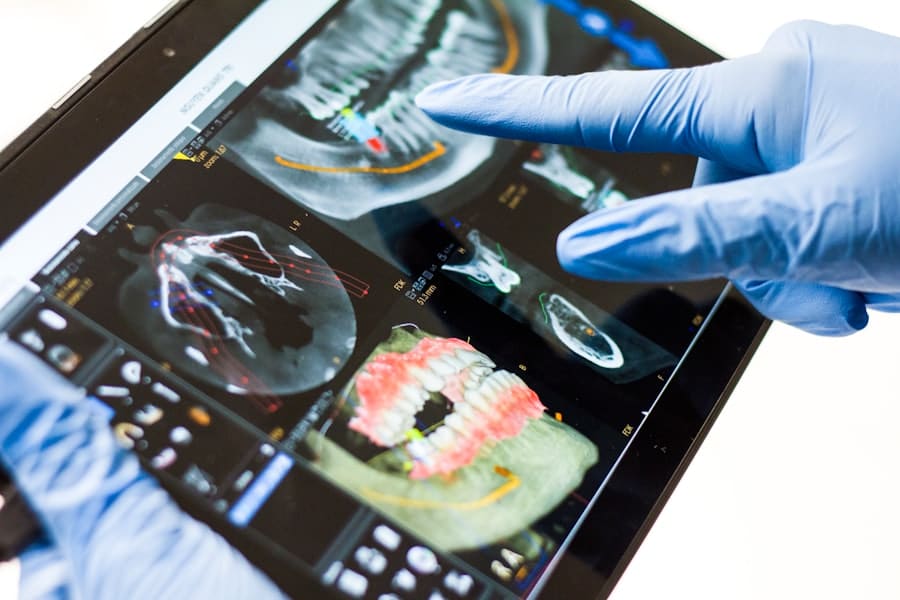
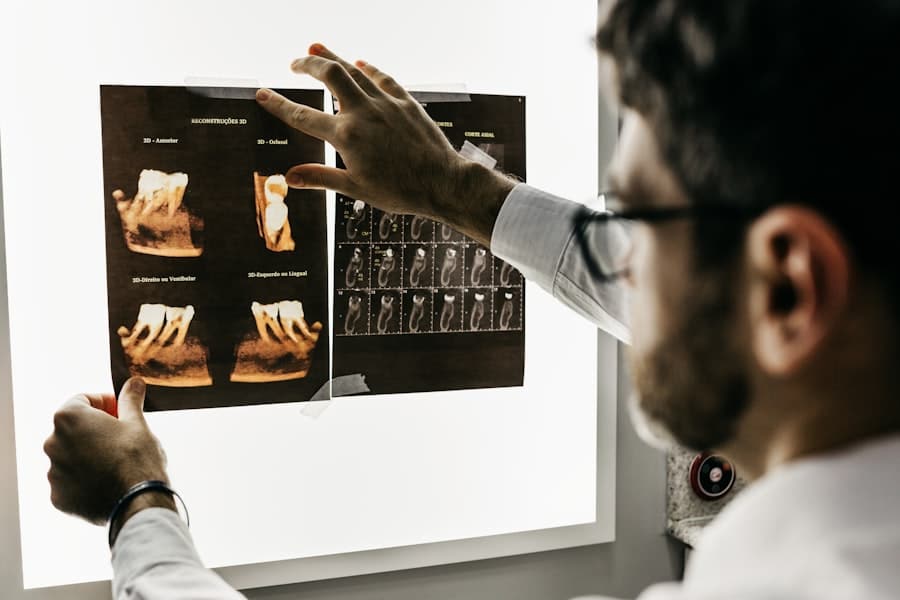
Tooth decay under crown treatment is typically diagnosed through a dental examination, which may include visual inspection, X-rays, or other imaging techniques. The dentist will assess the condition of the crown and underlying tooth structure to determine the extent of the decay.
What are the treatment options for tooth decay under crown treatment?
Treatment for tooth decay under crown treatment may involve removing the crown, addressing the decay in the underlying tooth structure, and replacing the crown with a new restoration. In some cases, a root canal may be necessary to remove infected tissue and restore the tooth’s health.
How can tooth decay under crown treatment be prevented?
To prevent tooth decay under crown treatment, it is important to maintain good oral hygiene, attend regular dental check-ups, and address any issues with the fit or condition of the crown promptly. Avoiding habits that can damage the crown, such as teeth grinding, can also help prevent decay from developing.