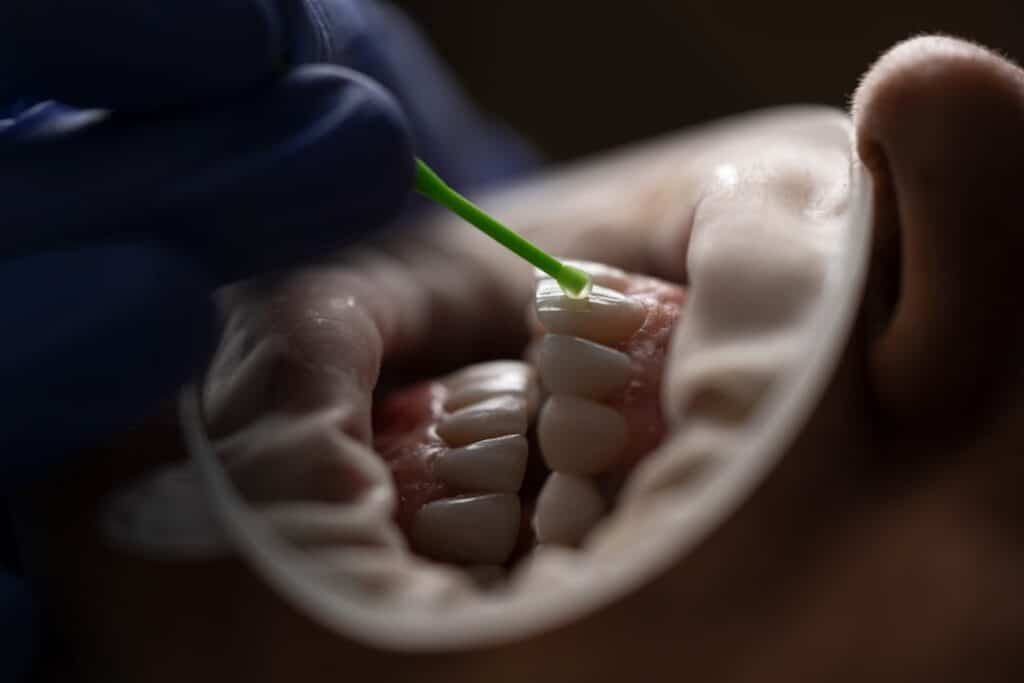
Tooth decay smell, often described as a foul or unpleasant odor emanating from the mouth, is primarily caused by the breakdown of food particles and the presence of bacteria in your mouth. When you consume sugary or starchy foods, the bacteria in your mouth feed on these substances, producing acids as a byproduct. These acids can erode tooth enamel, leading to cavities and decay.
As the decay progresses, it creates an environment where bacteria thrive, resulting in a distinct odor that can be quite off-putting. Understanding this process is crucial for you to take proactive steps in maintaining your oral health. Moreover, the smell associated with tooth decay can also be linked to the presence of dead tissue or necrotic material in the mouth.
When a tooth decays significantly, it can lead to pulp death, which not only causes pain but also contributes to a foul smell. This odor can be exacerbated by poor oral hygiene practices, such as infrequent brushing and flossing, which allow plaque and tartar to build up. By recognizing these underlying causes, you can better appreciate the importance of regular dental check-ups and good oral hygiene habits to prevent the onset of tooth decay and its accompanying smell.
Key Takeaways
- The cause of tooth decay smell is the breakdown of food particles by bacteria in the mouth, leading to the release of foul-smelling gases.
- Signs of tooth decay smell include persistent bad breath, a bad taste in the mouth, and visible cavities or discoloration on the teeth.
- Prevent tooth decay smell by practicing good oral hygiene, including regular brushing and flossing, and limiting sugary and acidic foods and drinks.
- Treat tooth decay smell by visiting a dentist for professional cleaning, fillings, or other necessary dental procedures.
- Home remedies for tooth decay smell include using mouthwash, chewing sugar-free gum, and consuming foods like apples and carrots that can help clean the teeth and freshen breath.
Recognizing the Signs of Tooth Decay Smell
Recognizing the signs of tooth decay smell is essential for early intervention. One of the most noticeable indicators is a persistent bad breath that doesn’t seem to improve with regular brushing or mouthwash use. If you find that your breath has an unusual odor, especially if it smells sweet or sour, it may be a sign that decay is present.
Additionally, you might notice a change in taste in your mouth, which can accompany the foul smell. This alteration can be due to the bacteria and acids produced by decaying teeth. Another sign to watch for is visible changes in your teeth.
You may observe dark spots or holes on the surface of your teeth, which are clear indicators of decay. If you experience sensitivity to hot or cold foods and drinks, it could also suggest that your enamel is compromised due to decay. These symptoms often go hand-in-hand with bad breath, making it crucial for you to pay attention to any changes in your oral health.
By being vigilant about these signs, you can seek treatment before the situation worsens.
Preventing Tooth Decay Smell
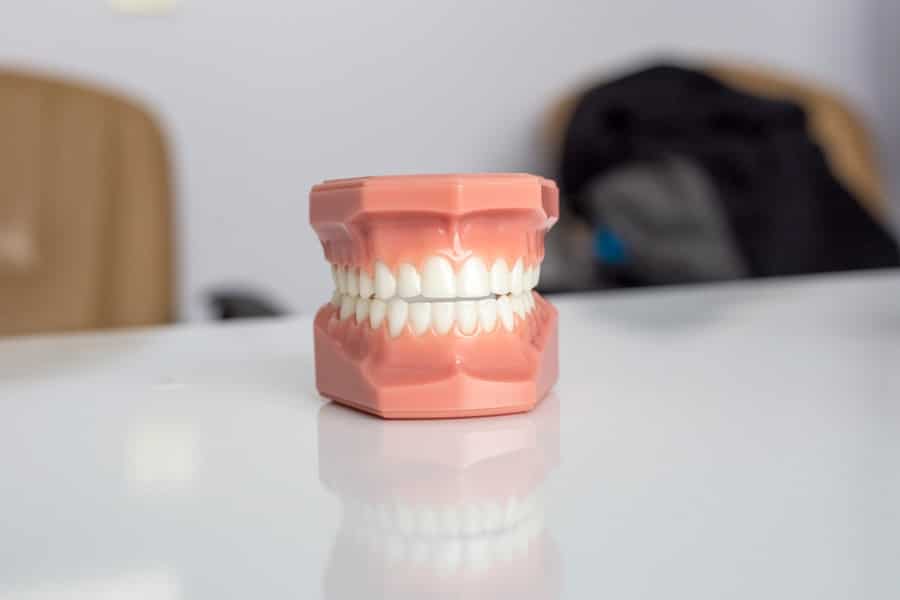
Preventing tooth decay smell begins with establishing a solid oral hygiene routine. You should brush your teeth at least twice a day with fluoride toothpaste and floss daily to remove food particles and plaque that can lead to decay. It’s also important to replace your toothbrush every three to four months or sooner if the bristles are frayed.
Regular dental check-ups are vital as well; your dentist can identify early signs of decay and provide professional cleaning to keep your mouth healthy. In addition to maintaining good hygiene practices, you should also be mindful of your diet. Reducing your intake of sugary and acidic foods can significantly lower your risk of developing cavities.
Instead, focus on incorporating more fruits, vegetables, whole grains, and dairy products into your meals. Drinking plenty of water throughout the day helps wash away food particles and bacteria, further preventing decay. By combining these dietary changes with proper oral care, you can effectively minimize the risk of tooth decay smell.
Treating Tooth Decay Smell
When you notice a persistent tooth decay smell, it’s essential to seek treatment promptly. The first step typically involves visiting your dentist for an evaluation. They will assess the extent of the decay and recommend appropriate treatment options based on your specific situation.
If cavities are present, your dentist may suggest fillings to restore the affected teeth and eliminate the source of the odor. In more severe cases where decay has progressed significantly, root canal therapy may be necessary. This procedure involves removing infected tissue from inside the tooth and sealing it to prevent further infection.
After treatment, you may need additional restorative work, such as crowns or bridges, to restore function and aesthetics. Addressing tooth decay smell through professional treatment not only improves your breath but also protects your overall oral health.
Home Remedies for Tooth Decay Smell
While professional treatment is crucial for addressing tooth decay smell, there are several home remedies you can try to alleviate symptoms in the meantime. One effective method is rinsing your mouth with a mixture of warm water and salt. This solution can help reduce inflammation and kill bacteria that contribute to bad breath.
Additionally, using baking soda as a natural toothpaste can neutralize odors and promote a healthier oral environment. Another home remedy involves chewing sugar-free gum or mints containing xylitol. This ingredient helps stimulate saliva production, which naturally cleanses the mouth and reduces odor-causing bacteria.
You might also consider incorporating herbal remedies such as peppermint or clove oil into your oral care routine; both have antibacterial properties that can help combat bad breath associated with tooth decay. While these remedies can provide temporary relief, they should not replace professional dental care.
Professional Treatments for Tooth Decay Smell
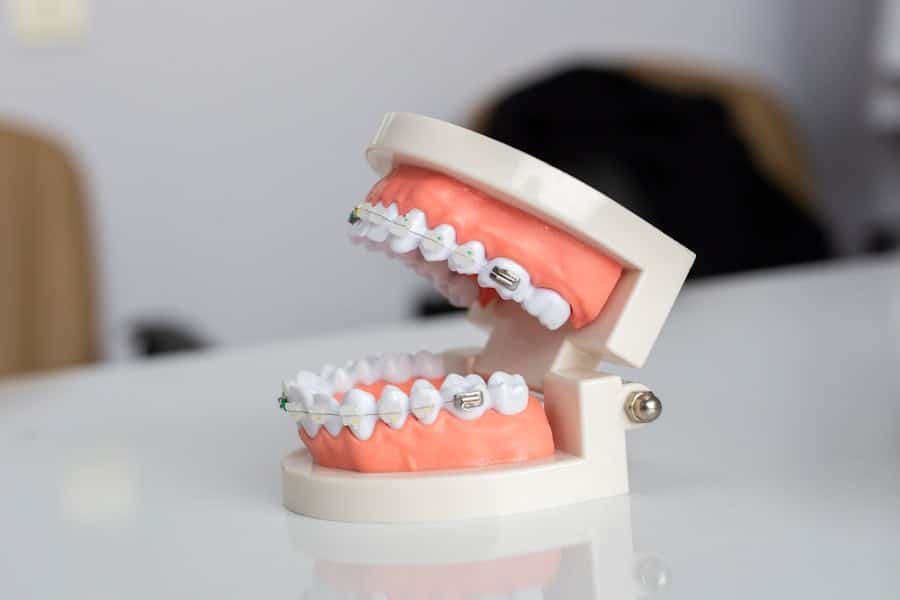
When home remedies fall short in addressing tooth decay smell, professional treatments become necessary. Your dentist may recommend a thorough cleaning to remove plaque and tartar buildup that contributes to bad breath. This cleaning process often includes scaling and polishing your teeth, which can significantly improve both your oral health and breath quality.
In cases where cavities are present, restorative treatments such as fillings or crowns may be required. If the decay has reached the pulp of the tooth, root canal therapy will be necessary to remove infected tissue and seal the tooth properly. After these treatments, your dentist may suggest follow-up visits to monitor your oral health and ensure that no further issues arise.
By seeking professional help when needed, you can effectively eliminate tooth decay smell and maintain a healthier mouth.
Complications of Untreated Tooth Decay Smell
Ignoring tooth decay smell can lead to serious complications that extend beyond bad breath. One significant risk is the potential for severe dental infections that can spread to other areas of your body if left untreated. These infections may result in abscesses, which are painful pockets of pus that require immediate medical attention.
In some cases, untreated infections can even lead to systemic issues such as sepsis. Additionally, untreated tooth decay can result in tooth loss over time. As decay progresses, it weakens the structure of your teeth, making them more susceptible to fractures and breakage.
Losing teeth not only affects your ability to chew properly but can also impact your self-esteem and overall quality of life. By addressing tooth decay smell early on, you can prevent these complications and maintain both your oral health and confidence.
Maintaining Oral Hygiene to Avoid Tooth Decay Smell
To avoid tooth decay smell in the future, maintaining a consistent oral hygiene routine is paramount. You should brush your teeth at least twice daily for two minutes each time, ensuring that you reach all surfaces of each tooth. Flossing daily is equally important; it removes food particles and plaque from between teeth where toothbrushes cannot reach.
Additionally, consider using an antibacterial mouthwash to further reduce bacteria in your mouth. Regular dental visits are essential for monitoring your oral health and catching any potential issues early on. Your dentist can provide professional cleanings that remove stubborn plaque and tartar buildup while also offering personalized advice on improving your oral care routine at home.
By committing to these practices, you can significantly reduce the risk of developing tooth decay smell and enjoy a healthier smile for years to come.
If you are experiencing a persistent smell related to tooth decay, it may be time to visit a dentist for a check-up. Dentist in Near Me offers a variety of dental services in locations such as Round Rock, Texas, Miami Beach, Florida, and Concord, North Carolina. Don’t ignore the signs of tooth decay and seek professional help to maintain good oral health.
FAQs
What causes tooth decay smell?
Tooth decay smell is caused by the breakdown of food particles and bacteria in the mouth. When bacteria feed on food particles, they produce acids that can lead to tooth decay and a foul odor.
What are the symptoms of tooth decay smell?
Symptoms of tooth decay smell may include bad breath, a bad taste in the mouth, visible cavities or dark spots on the teeth, and sensitivity to hot, cold, or sweet foods and drinks.
How can tooth decay smell be prevented?
Tooth decay smell can be prevented by practicing good oral hygiene, including brushing and flossing regularly, using fluoride toothpaste, and visiting the dentist for regular check-ups and cleanings. Avoiding sugary and acidic foods and drinks can also help prevent tooth decay.
What are the treatment options for tooth decay smell?
Treatment options for tooth decay smell may include dental fillings, crowns, or root canals to repair and restore decayed teeth. In some cases, tooth extraction may be necessary. Maintaining good oral hygiene and following the dentist’s recommendations can help prevent further tooth decay and associated odor.