Tooth decay, also known as dental caries, is a common yet serious condition that affects individuals of all ages. It occurs when the hard surface of your teeth, known as enamel, is eroded by acids produced by bacteria in your mouth. These bacteria thrive on sugars and carbohydrates found in the foods you consume, leading to the formation of plaque—a sticky film that coats your teeth.
Over time, if plaque is not removed through proper oral hygiene, it can harden into tartar, further exacerbating the decay process. You may not notice the initial stages of tooth decay, as it often begins with small white spots on the enamel, but if left untreated, it can progress to cavities and even tooth loss. Understanding the factors that contribute to tooth decay is crucial for prevention.
Your oral environment plays a significant role; for instance, a dry mouth can increase your risk since saliva helps neutralize acids and wash away food particles. Additionally, certain medical conditions and medications can affect saliva production. Genetics also play a part; some individuals may be more prone to cavities due to the structure of their teeth or the composition of their saliva.
By recognizing these factors, you can take proactive steps to protect your dental health and maintain a beautiful smile.
Key Takeaways
- Tooth decay is caused by bacteria in the mouth that produce acids which erode the enamel of the teeth.
- Preventative measures for tooth decay include regular brushing, flossing, and visiting the dentist for check-ups.
- Proper brushing techniques involve using a soft-bristled brush and brushing in a circular motion to clean all surfaces of the teeth.
- Regular flossing is important for removing plaque and food particles from between the teeth, where a toothbrush cannot reach.
- Diet plays a significant role in tooth decay, with sugary and acidic foods and drinks contributing to the erosion of tooth enamel.
Preventative Measures for Tooth Decay
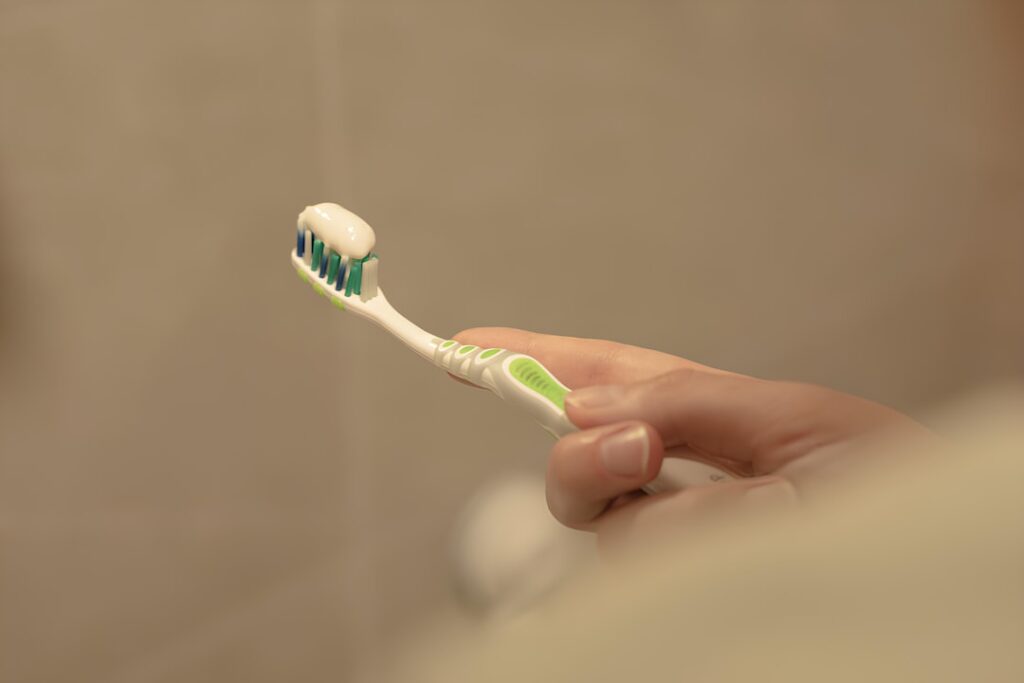
Preventing tooth decay is not just about maintaining a bright smile; it’s about safeguarding your overall health. One of the most effective ways to prevent decay is through consistent oral hygiene practices. This includes brushing your teeth at least twice a day with fluoride toothpaste and ensuring you clean all surfaces of your teeth.
Additionally, incorporating mouthwash into your routine can help reduce plaque buildup and freshen your breath. You should also consider using an electric toothbrush, which can be more effective at removing plaque than manual brushing. Another key preventative measure is to limit your intake of sugary foods and beverages.
When you consume sweets, the bacteria in your mouth produce acids that attack your enamel. By reducing your sugar consumption and opting for healthier snacks like fruits and vegetables, you can significantly lower your risk of developing cavities. Furthermore, staying hydrated and drinking plenty of water can help wash away food particles and bacteria, contributing to a healthier oral environment.
Proper Brushing Techniques

Brushing your teeth may seem straightforward, but employing the right techniques can make a significant difference in your oral health. When you brush, hold your toothbrush at a 45-degree angle to your gums and use gentle circular motions to clean the surfaces of your teeth. It’s essential to cover all areas, including the front, back, and chewing surfaces.
You should spend at least two minutes brushing to ensure that you thoroughly clean each tooth. Don’t forget to brush your tongue as well; bacteria can accumulate there and contribute to bad breath. Additionally, replacing your toothbrush every three to four months is vital for maintaining effective brushing.
Worn bristles are less effective at removing plaque and can even harm your gums. If you have braces or other dental appliances, consider using a special orthodontic toothbrush designed to navigate around brackets and wires. By adopting these proper brushing techniques and tools, you can significantly reduce your risk of tooth decay and promote better overall oral health.
Importance of Regular Flossing
While brushing is essential for maintaining oral hygiene, it’s equally important not to overlook the role of flossing in preventing tooth decay. Flossing helps remove food particles and plaque from between your teeth—areas that a toothbrush may not reach effectively. If you neglect this step, plaque can harden into tartar, leading to gum disease and cavities.
You should aim to floss at least once a day, ideally before bedtime, to ensure that any debris from meals is removed before you sleep. To floss correctly, use about 18 inches of dental floss and wrap it around your middle fingers, leaving about an inch or two to work with. Gently slide the floss between your teeth using a sawing motion, curving it around each tooth in a C-shape to clean both sides effectively.
Be cautious not to snap the floss against your gums, as this can cause irritation or bleeding. By incorporating regular flossing into your daily routine, you can significantly enhance your oral hygiene efforts and reduce the risk of tooth decay.
Diet and Tooth Decay
Your diet plays a pivotal role in the health of your teeth and gums. Foods high in sugar and carbohydrates are particularly detrimental because they provide fuel for the bacteria that cause tooth decay. When you consume these foods, the bacteria produce acids that attack your enamel, leading to cavities over time.
To protect your teeth, focus on a balanced diet rich in whole foods such as fruits, vegetables, whole grains, lean proteins, and dairy products. These foods not only provide essential nutrients for overall health but also help strengthen your teeth. In addition to choosing healthier foods, consider how often you eat throughout the day.
Frequent snacking can increase the amount of time that acids are present in your mouth, heightening the risk of decay. Instead of grazing throughout the day, try to limit snacking to specific times and choose tooth-friendly options like nuts or cheese that can help neutralize acids. By being mindful of both what you eat and when you eat it, you can significantly reduce your risk of developing tooth decay.
Fluoride and its Role in Preventing Tooth Decay

The Benefits of Fluoride in Preventing Tooth Decay
Using fluoride products can help remineralize early signs of tooth decay before they progress into cavities. When you brush with fluoride toothpaste or use a fluoride mouth rinse, you’re providing your teeth with an extra layer of protection against decay-causing acids.
Who Can Benefit from Fluoride Treatments?
If you’re at higher risk for cavities due to factors like dry mouth or a history of dental issues, consult with your dentist about professional fluoride treatments that can offer additional protection.
Incorporating Fluoride into Your Daily Routine
With fluoride readily available in toothpaste, mouth rinses, and community water supplies, it’s easy to make it a part of your daily oral care routine. By doing so, you can enjoy the benefits of stronger, healthier teeth and a reduced risk of tooth decay.
Visiting the Dentist for Regular Check-ups
Regular dental check-ups are an essential component of maintaining good oral health and preventing tooth decay. During these visits, your dentist will conduct thorough examinations of your teeth and gums, looking for any signs of decay or other issues that may require attention. Early detection is key; catching problems before they escalate can save you from more extensive treatments down the line.
In addition to examinations, professional cleanings are performed during these visits to remove plaque and tartar buildup that regular brushing and flossing may miss. Your dentist or dental hygienist will also provide personalized advice on improving your oral hygiene routine based on their observations during the check-up. By committing to regular dental visits—typically every six months—you’re taking proactive steps toward preserving your dental health and ensuring a bright smile for years to come.
Natural Remedies for Tooth Decay
While conventional methods such as brushing with fluoride toothpaste are highly effective in preventing tooth decay, some individuals seek natural remedies as complementary options. Certain natural substances have been shown to possess properties that may help combat tooth decay or promote oral health. For instance, oil pulling—swishing coconut oil or sesame oil in your mouth for 10-20 minutes—has gained popularity as a way to reduce harmful bacteria in the mouth.
Another natural remedy involves using xylitol, a sugar alcohol found in many fruits and vegetables that has been shown to inhibit the growth of cavity-causing bacteria. Chewing xylitol gum after meals can help neutralize acids and promote saliva production, which is beneficial for remineralizing enamel. While these natural remedies can be helpful additions to your oral care routine, they should not replace traditional methods such as brushing and flossing but rather serve as supportive measures in maintaining optimal dental health.
In conclusion, understanding tooth decay is essential for maintaining good oral health throughout your life. By implementing preventative measures such as proper brushing techniques, regular flossing, mindful dietary choices, and utilizing fluoride products, you can significantly reduce your risk of developing cavities. Regular visits to the dentist will further enhance your efforts by allowing for early detection and professional cleaning.
Additionally, exploring natural remedies can provide supplementary support in promoting oral health. By taking these steps seriously, you empower yourself to enjoy a lifetime of healthy teeth and gums.
If you are looking for more information on tooth decay self-care, you may want to check out this article on tips for preventing cavities. This article provides helpful advice on how to maintain good oral hygiene habits and prevent tooth decay. It is important to stay informed and take proactive steps to protect your teeth from decay.
FAQs
What is tooth decay?
Tooth decay, also known as dental caries or cavities, is the destruction of the hard tissues of the tooth caused by acids produced by bacteria in the mouth.
What are the symptoms of tooth decay?
Symptoms of tooth decay may include toothache, tooth sensitivity to hot or cold, visible holes or pits in the teeth, and staining on the tooth surface.
How can I prevent tooth decay?
To prevent tooth decay, it is important to practice good oral hygiene, including brushing your teeth at least twice a day, flossing daily, and visiting your dentist regularly for check-ups and cleanings. Additionally, limiting sugary and acidic foods and drinks can help prevent tooth decay.
What are some self-care tips for preventing tooth decay?
Self-care tips for preventing tooth decay include maintaining a healthy diet, avoiding sugary and acidic foods and drinks, using fluoride toothpaste, and drinking plenty of water. It is also important to avoid smoking and excessive alcohol consumption, as these can contribute to tooth decay.
Can tooth decay be reversed with self-care?
Early stages of tooth decay can be reversed with self-care measures such as proper oral hygiene and a healthy diet. However, once the decay has progressed to a certain point, it may require professional dental treatment such as fillings or crowns.