Tooth decay, also known as dental caries or cavities, is a common oral health issue that affects individuals of all ages. It occurs when the hard surface of your teeth, known as enamel, is damaged due to the action of bacteria in your mouth. These bacteria feed on sugars and carbohydrates from the food you consume, producing acids that erode the enamel over time.
If left untreated, tooth decay can lead to more severe dental problems, including infections, tooth loss, and even systemic health issues. Understanding tooth decay is crucial for maintaining good oral hygiene. It is not merely a cosmetic concern; it can significantly impact your overall health and well-being.
The process of decay can start subtly, often without noticeable symptoms, making it essential for you to be proactive about your dental care. By recognizing the signs and understanding the underlying causes, you can take steps to protect your teeth and maintain a healthy smile.
Key Takeaways
- Tooth decay is the destruction of the tooth structure caused by acids made by bacteria in the mouth.
- Tooth decay happens when plaque, a sticky film of bacteria, builds up on teeth and produces acids that attack tooth enamel.
- Brushing and flossing are important for removing plaque and preventing tooth decay.
- Foods and drinks high in sugar and acid can contribute to tooth decay.
- Signs of tooth decay include toothache, sensitivity, and visible holes or pits in the teeth.
How Does Tooth Decay Happen?
Tooth decay begins with the formation of plaque, a sticky film of bacteria that forms on your teeth after eating. When you consume sugary or starchy foods, the bacteria in plaque convert these sugars into acids. These acids can attack the enamel, leading to demineralization.
If this process continues without intervention, it can create small holes in the enamel, which are the beginnings of cavities. The progression of tooth decay can be influenced by several factors, including your diet, oral hygiene habits, and even genetics. For instance, if you frequently indulge in sugary snacks or beverages, you are at a higher risk of developing cavities.
Additionally, inadequate brushing and flossing allow plaque to build up, further exacerbating the problem. Understanding how tooth decay occurs empowers you to make informed choices about your oral health and take preventive measures.
The Importance of Brushing and Flossing
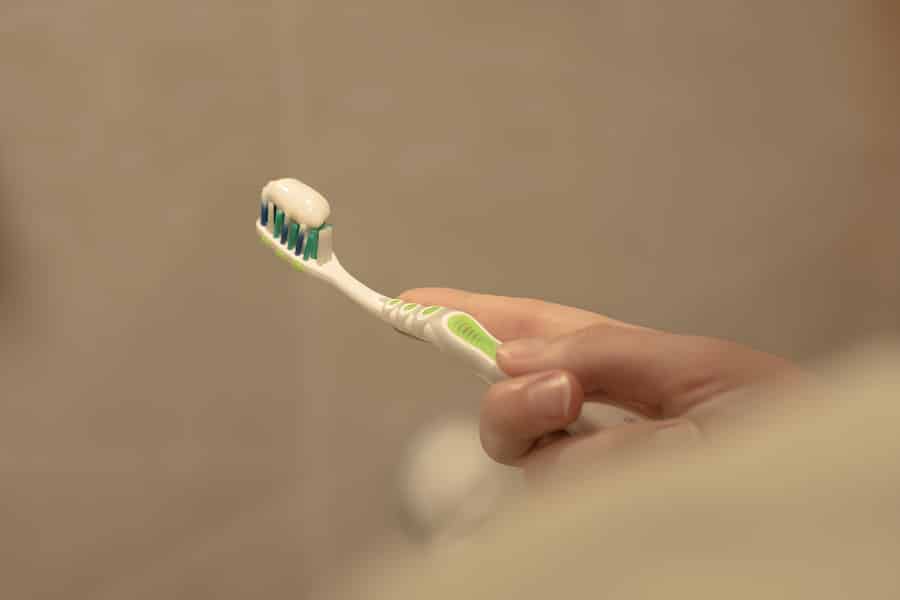
Brushing and flossing are fundamental practices in maintaining oral hygiene and preventing tooth decay. Brushing your teeth at least twice a day helps remove plaque and food particles that accumulate on the surface of your teeth. Using fluoride toothpaste can further strengthen your enamel and protect against acid attacks.
It’s essential to brush for at least two minutes each time to ensure that all surfaces of your teeth are cleaned effectively. Flossing is equally important as it reaches areas that your toothbrush cannot, particularly between your teeth and along the gum line. These spaces are often where plaque builds up unnoticed, leading to decay and gum disease.
By incorporating both brushing and flossing into your daily routine, you create a robust defense against tooth decay and promote overall oral health. Remember, consistency is key; making these practices a habit will significantly reduce your risk of cavities.
Foods and Drinks that Can Cause Tooth Decay
Your diet plays a pivotal role in the health of your teeth. Certain foods and drinks are notorious for contributing to tooth decay due to their high sugar content or acidity. Sugary snacks like candies, cookies, and pastries provide an ideal environment for bacteria to thrive.
When these sugars linger on your teeth, they fuel the decay process, leading to cavities. Acidic beverages such as soda, fruit juices, and sports drinks can also erode enamel over time. Even seemingly healthy options like citrus fruits can contribute to enamel wear if consumed excessively.
It’s essential to be mindful of what you eat and drink; opting for healthier choices like water, dairy products, and crunchy fruits and vegetables can help protect your teeth. By making informed dietary decisions, you can significantly reduce your risk of developing tooth decay.
Signs and Symptoms of Tooth Decay
Recognizing the signs and symptoms of tooth decay early on can make a significant difference in treatment outcomes. Initially, you may not experience any noticeable symptoms; however, as decay progresses, you might notice white spots on your teeth, indicating demineralization. These spots can eventually turn brown or black as cavities form.
As the decay worsens, you may experience sensitivity to hot or cold foods and drinks or even pain when biting down. In some cases, you might notice bad breath or an unpleasant taste in your mouth due to the presence of bacteria. If you experience any of these symptoms, it’s crucial to consult with a dentist promptly.
Early intervention can prevent further damage and save your teeth from more extensive treatment.
How to Prevent Tooth Decay

Preventing tooth decay involves a combination of good oral hygiene practices and lifestyle choices. First and foremost, establish a consistent routine that includes brushing twice daily with fluoride toothpaste and flossing at least once a day. This routine helps remove plaque and food particles that contribute to decay.
In addition to maintaining proper hygiene, consider making dietary adjustments. Limit your intake of sugary snacks and acidic beverages while incorporating more fruits, vegetables, whole grains, and dairy products into your meals. Drinking plenty of water throughout the day can also help wash away food particles and neutralize acids in your mouth.
Regular dental check-ups are another vital component of prevention; they allow for early detection of potential issues before they escalate into more significant problems.
Visiting the Dentist for Check-Ups
Regular visits to the dentist are essential for maintaining optimal oral health and preventing tooth decay. During these check-ups, your dentist will conduct a thorough examination of your teeth and gums, looking for any signs of decay or other dental issues. They may also perform professional cleanings to remove plaque and tartar buildup that regular brushing cannot eliminate.
In addition to examinations and cleanings, your dentist can provide personalized advice on improving your oral hygiene routine based on your specific needs. They may recommend fluoride treatments or sealants for added protection against cavities, especially for children or individuals at higher risk for decay. By prioritizing regular dental visits, you ensure that any potential problems are addressed early on, helping you maintain a healthy smile for years to come.
Treatment for Tooth Decay
If tooth decay is detected during a dental check-up or if you experience symptoms indicating its presence, prompt treatment is crucial to prevent further damage. The treatment approach will depend on the severity of the decay. In its early stages, fluoride treatments may be sufficient to remineralize the enamel and reverse minor damage.
However, if cavities have formed, your dentist will likely recommend restorative procedures such as fillings or crowns to repair the affected teeth. In more severe cases where decay has reached the inner pulp of the tooth, root canal therapy may be necessary to remove infected tissue and save the tooth from extraction. Following treatment, it’s essential to adhere to good oral hygiene practices and maintain regular dental visits to prevent future occurrences of tooth decay.
In conclusion, understanding tooth decay is vital for maintaining good oral health. By recognizing how it occurs, practicing proper hygiene, making informed dietary choices, and seeking regular dental care, you can significantly reduce your risk of developing cavities and enjoy a healthy smile for years to come.
If you want to learn more about how to prevent tooth decay in kids, check out this article on Yuba City, California. It provides helpful tips and information on maintaining good oral hygiene habits to keep your child’s teeth healthy and cavity-free. Remember, regular visits to the dentist are essential for preventing tooth decay and ensuring a bright smile for years to come.
FAQs
What is tooth decay?
Tooth decay, also known as dental caries or cavities, is the destruction of the hard tissues of the tooth caused by acids produced by bacteria in the mouth.
How does tooth decay occur?
Tooth decay occurs when plaque, a sticky film of bacteria, forms on the teeth and combines with sugars from the food we eat to produce acids. These acids can then attack the enamel of the teeth, leading to decay.
What are the symptoms of tooth decay?
Symptoms of tooth decay can include toothache, sensitivity to hot or cold foods and drinks, visible holes or pits in the teeth, and staining on the surface of the teeth.
How can tooth decay be prevented?
Tooth decay can be prevented by practicing good oral hygiene, including brushing and flossing regularly, limiting sugary and acidic foods and drinks, and visiting the dentist for regular check-ups and cleanings.
What happens if tooth decay is not treated?
If tooth decay is not treated, it can progress to more serious dental problems such as infection, abscesses, and even tooth loss. It can also lead to pain and discomfort.