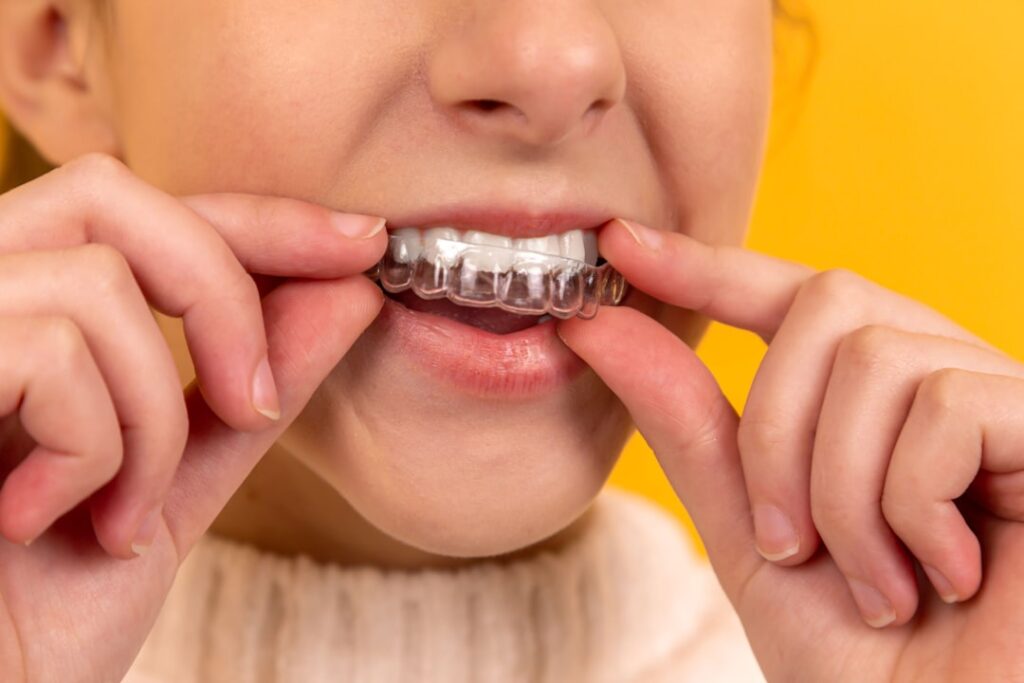
Tooth decay at the gum line is a common dental issue that can lead to significant oral health problems if left untreated. This type of decay occurs when the protective enamel on your teeth is compromised, particularly near the gum area. The gum line is the junction where your teeth meet your gums, and it is particularly vulnerable to decay due to its exposure to bacteria and plaque.
When you neglect proper oral hygiene, plaque can build up, leading to the demineralization of enamel and, eventually, cavities. Understanding this process is crucial for maintaining your dental health and preventing further complications. As you become more aware of tooth decay at the gum line, it’s essential to recognize that this condition can affect anyone, regardless of age or dental history.
Factors such as diet, oral hygiene practices, and even genetics can play a role in your susceptibility to decay. The gum line is often overlooked during brushing and flossing, making it a prime target for harmful bacteria. By understanding how tooth decay develops in this area, you can take proactive steps to protect your teeth and gums from potential damage.
Key Takeaways
- Tooth decay at the gum line is caused by the buildup of plaque and bacteria, leading to erosion of the tooth enamel and eventual decay.
- Causes of tooth decay at the gum line include poor oral hygiene, sugary and acidic foods, and certain medications that reduce saliva production.
- Symptoms of tooth decay at the gum line may include tooth sensitivity, pain when chewing, and visible discoloration or pits in the affected teeth.
- Prevention of tooth decay at the gum line involves proper oral hygiene, including regular brushing and flossing, as well as a balanced diet low in sugary and acidic foods.
- Professional dental care for tooth decay at the gum line may include dental fillings, crowns, or root canal therapy, depending on the severity of the decay.
Causes of Tooth Decay at the Gum Line
Several factors contribute to the development of tooth decay at the gum line. One of the primary causes is poor oral hygiene. When you fail to brush and floss regularly, plaque accumulates on your teeth, particularly near the gum line.
This sticky film contains bacteria that produce acids capable of eroding enamel. Over time, this erosion can lead to cavities and other dental issues. It’s essential to establish a consistent oral hygiene routine that includes brushing twice a day and flossing daily to minimize plaque buildup.
Another significant cause of tooth decay at the gum line is dietary choices. Consuming sugary or acidic foods and beverages can create an environment conducive to decay. When you eat or drink these substances, the bacteria in your mouth feed on the sugars and produce acids that attack your enamel.
If you frequently indulge in snacks or drinks high in sugar, you increase your risk of developing cavities at the gum line. Being mindful of your diet and making healthier choices can significantly reduce your chances of experiencing tooth decay.
Symptoms and Signs of Tooth Decay at the Gum Line

Recognizing the symptoms of tooth decay at the gum line is vital for early intervention. One of the first signs you may notice is increased sensitivity in the affected area. You might experience discomfort when consuming hot, cold, or sweet foods and beverages.
This sensitivity occurs because the enamel has been compromised, exposing the underlying dentin, which is more sensitive to temperature changes. If you find yourself wincing during meals or drinks, it may be time to consult a dentist. In addition to sensitivity, you may also observe visible signs of decay at the gum line.
This can manifest as discoloration or dark spots on your teeth near the gums. As decay progresses, you might notice a rough texture or even small holes in your teeth. If you see any of these signs, it’s crucial not to ignore them.
Early detection and treatment can prevent further damage and preserve your oral health.
Prevention and Treatment of Tooth Decay at the Gum Line
Preventing tooth decay at the gum line requires a multifaceted approach that includes good oral hygiene practices and regular dental check-ups. Brushing your teeth twice a day with fluoride toothpaste helps remove plaque and strengthen enamel. Additionally, incorporating flossing into your daily routine allows you to clean between your teeth and along the gum line effectively.
Using an antibacterial mouthwash can also help reduce plaque buildup and keep your mouth fresh. If you do develop tooth decay at the gum line, treatment options vary depending on the severity of the condition. For early-stage decay, your dentist may recommend fluoride treatments to help remineralize the enamel.
In more advanced cases, a filling may be necessary to restore the tooth’s structure and function. If decay has progressed significantly, a root canal or even extraction may be required. It’s essential to address any signs of decay promptly to avoid more invasive procedures down the line.
Importance of Proper Oral Hygiene in Preventing Tooth Decay at the Gum Line
Maintaining proper oral hygiene is paramount in preventing tooth decay at the gum line. When you prioritize brushing and flossing, you significantly reduce plaque accumulation and lower your risk of cavities. Brushing effectively involves using a soft-bristled toothbrush and fluoride toothpaste, ensuring that you cover all surfaces of your teeth, including those near the gum line.
It’s also important to replace your toothbrush every three to four months or sooner if the bristles become frayed. Flossing is equally important in your oral hygiene routine. Many people overlook this step, but it plays a crucial role in removing food particles and plaque from between your teeth and along the gum line.
By incorporating flossing into your daily routine, you can help prevent decay in hard-to-reach areas that brushing alone may miss. Additionally, regular dental check-ups allow your dentist to monitor your oral health and provide professional cleanings that further reduce your risk of tooth decay.
Professional Dental Care for Tooth Decay at the Gum Line
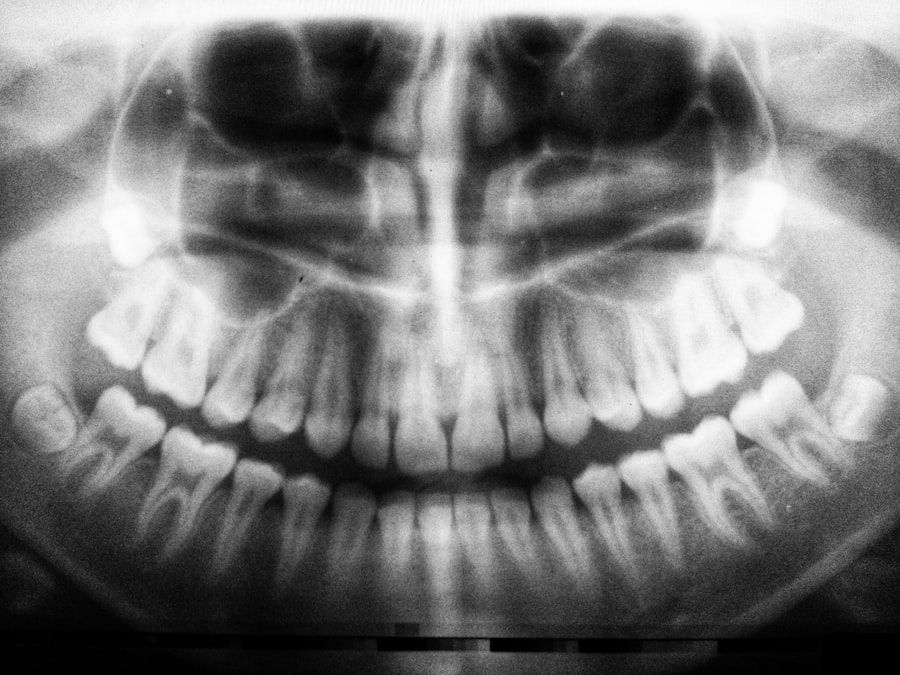
While maintaining good oral hygiene at home is essential, professional dental care is equally important in preventing and treating tooth decay at the gum line. Regular visits to your dentist allow for early detection of any potential issues before they escalate into more significant problems. During these appointments, your dentist will perform thorough examinations and cleanings to remove plaque and tartar buildup that you may not be able to eliminate on your own.
In some cases, your dentist may recommend additional preventive measures such as dental sealants or fluoride treatments. Sealants are thin coatings applied to the chewing surfaces of your back teeth to protect them from decay. Fluoride treatments can help strengthen enamel and make it more resistant to acid attacks from bacteria.
By working closely with your dental care provider, you can develop a personalized plan that addresses your specific needs and helps maintain optimal oral health.
Complications of Untreated Tooth Decay at the Gum Line
Ignoring tooth decay at the gum line can lead to severe complications that affect not only your oral health but also your overall well-being. One significant risk is periodontal disease, which occurs when bacteria from untreated cavities spread below the gum line, causing inflammation and infection in the surrounding tissues. This condition can lead to gum recession, tooth mobility, and even tooth loss if not addressed promptly.
Moreover, untreated tooth decay can result in systemic health issues as well. Research has shown a link between poor oral health and conditions such as heart disease, diabetes, and respiratory infections. The bacteria from decayed teeth can enter your bloodstream, potentially affecting other parts of your body.
Therefore, taking care of tooth decay at the gum line is not just about preserving your smile; it’s about safeguarding your overall health.
Taking Care of Your Oral Health to Prevent Tooth Decay at the Gum Line
In conclusion, taking care of your oral health is essential for preventing tooth decay at the gum line. By understanding how this condition develops and recognizing its causes and symptoms, you can take proactive steps to protect your teeth and gums. Establishing a consistent oral hygiene routine that includes brushing, flossing, and regular dental visits will go a long way in maintaining optimal dental health.
Remember that prevention is always better than treatment when it comes to tooth decay. By prioritizing proper oral hygiene practices and seeking professional care when needed, you can significantly reduce your risk of developing cavities at the gum line. Your smile is an important part of who you are; taking care of it will not only enhance your appearance but also contribute positively to your overall health and well-being.
If you are looking for more information on dental health and services in different locations, you may want to check out the article on Warren, Michigan. This article provides insights into the dental care available in Warren, Michigan, and how residents can maintain good oral health. It is a great resource for those looking for dental services in the area.
FAQs
What is tooth decay at the gum line?
Tooth decay at the gum line refers to the erosion of the tooth enamel and subsequent decay of the tooth structure near the gum line. This can lead to cavities, sensitivity, and other dental issues.
What causes tooth decay at the gum line?
Tooth decay at the gum line is often caused by poor oral hygiene, including inadequate brushing and flossing. It can also be exacerbated by consuming sugary or acidic foods and drinks, as well as by certain medical conditions and medications.
What are the symptoms of tooth decay at the gum line?
Symptoms of tooth decay at the gum line may include tooth sensitivity, pain when chewing, visible holes or pits in the affected tooth, and discoloration of the tooth surface.
How can tooth decay at the gum line be prevented?
Tooth decay at the gum line can be prevented by practicing good oral hygiene, including brushing and flossing regularly, using fluoride toothpaste, and visiting the dentist for regular check-ups and cleanings. Limiting sugary and acidic foods and drinks can also help prevent tooth decay.
How is tooth decay at the gum line treated?
Treatment for tooth decay at the gum line may include dental fillings, crowns, or in more severe cases, root canal therapy. The specific treatment will depend on the extent of the decay and the individual patient’s needs.