Tooth decay is a prevalent dental issue that affects individuals of all ages, from children to adults. It occurs when the hard surface of your teeth, known as enamel, is eroded by acids produced by bacteria in your mouth. These acids are a byproduct of the breakdown of sugars and carbohydrates found in the foods you consume.
Over time, this process can lead to the formation of cavities, which are essentially holes or structural damage in your teeth. Understanding tooth decay and cavity formation is crucial for maintaining your oral health and preventing more severe dental problems down the line. The significance of addressing tooth decay cannot be overstated.
Not only can it lead to discomfort and pain, but it can also result in more serious health issues if left untreated. The good news is that with proper knowledge and preventive measures, you can significantly reduce your risk of developing cavities. By being proactive about your dental hygiene and understanding the factors that contribute to tooth decay, you can maintain a healthy smile for years to come.
Key Takeaways
- Tooth decay is the destruction of the tooth structure and can lead to cavity formation.
- Causes of tooth decay include poor oral hygiene, sugary and acidic foods, and bacteria in the mouth.
- Signs and symptoms of cavity formation include toothache, sensitivity to hot and cold, and visible holes or pits in the teeth.
- Prevention of tooth decay involves regular brushing and flossing, a balanced diet, and regular dental check-ups.
- Diagnosis of cavity formation is done through visual examination, dental x-rays, and probing with dental instruments.
Causes of Tooth Decay
Tooth decay is primarily caused by the interaction between bacteria, sugars, and your teeth. When you consume sugary or carbohydrate-rich foods, the bacteria in your mouth feed on these substances and produce acids as a result. These acids can erode the enamel, leading to demineralization and, eventually, cavities.
It’s essential to recognize that this process is not instantaneous; it often takes time for the damage to accumulate. However, frequent exposure to sugar can accelerate the decay process, making it vital for you to be mindful of your dietary choices. Another significant factor contributing to tooth decay is poor oral hygiene.
If you neglect regular brushing and flossing, plaque—a sticky film of bacteria—can build up on your teeth. This plaque hardens into tartar if not removed, making it even more challenging to maintain oral health. Additionally, certain lifestyle habits, such as smoking or excessive alcohol consumption, can further exacerbate the risk of tooth decay.
By understanding these causes, you can take proactive steps to protect your teeth and maintain a healthy mouth.
Signs and Symptoms of Cavity Formation

Recognizing the signs and symptoms of cavity formation is essential for early intervention. One of the first indicators you may notice is sensitivity to hot or cold foods and beverages. You might find that certain items cause discomfort or pain when they come into contact with your teeth.
This sensitivity often signals that the enamel has been compromised, allowing stimuli to reach the underlying dentin layer of your teeth. As cavities progress, you may also experience visible changes in your teeth. You might notice dark spots or holes on the surface of your teeth, which are clear signs of decay.
In some cases, you could even experience persistent toothache or discomfort that doesn’t seem to go away. If you find yourself experiencing any of these symptoms, it’s crucial to consult a dental professional promptly. Early detection can prevent further damage and save you from more extensive treatments down the line.
Prevention of Tooth Decay
Preventing tooth decay is largely within your control, and adopting good oral hygiene practices is key. Brushing your teeth at least twice a day with fluoride toothpaste helps remove plaque and food particles that contribute to decay. Flossing daily is equally important, as it allows you to clean between your teeth where a toothbrush may not reach effectively.
Additionally, using an antibacterial mouthwash can help reduce bacteria levels in your mouth, further protecting against cavities. Your diet plays a significant role in preventing tooth decay as well. Limiting sugary snacks and beverages can significantly decrease the amount of acid produced by bacteria in your mouth.
Instead, opt for healthier alternatives like fruits, vegetables, and whole grains that are less likely to contribute to decay. Regular dental check-ups are also vital; professional cleanings can remove tartar buildup and allow your dentist to catch any early signs of cavities before they become problematic.
Diagnosis of Cavity Formation
When it comes to diagnosing cavities, dental professionals employ various methods to assess the health of your teeth. During a routine check-up, your dentist will visually inspect your teeth for any signs of decay or damage. They may use specialized tools to probe for soft spots or areas that indicate weakened enamel.
In some cases, X-rays may be necessary to detect cavities that are not visible during a standard examination. It’s important for you to be proactive about scheduling regular dental visits. These appointments allow for early detection of cavities and other dental issues before they escalate into more significant problems.
If you have any concerns about your oral health or suspect that you may have a cavity, don’t hesitate to reach out to your dentist for an evaluation.
Treatment Options for Cavities

If a cavity is diagnosed, several treatment options are available depending on the severity of the decay. For minor cavities, your dentist may recommend a simple filling procedure. This involves removing the decayed portion of the tooth and filling it with a material such as composite resin or amalgam to restore its structure and function.
This treatment is relatively quick and can often be completed in a single visit. In cases where the decay has progressed significantly, more extensive treatments may be necessary. If the cavity has reached the pulp of the tooth, a root canal may be required to remove infected tissue and save the tooth from extraction.
Afterward, a crown may be placed over the tooth for added protection and strength. Understanding these treatment options empowers you to make informed decisions about your dental care and emphasizes the importance of addressing cavities promptly.
Complications of Untreated Cavities
Ignoring cavities can lead to severe complications that extend beyond mere discomfort. When left untreated, cavities can progress deeper into the tooth structure, potentially leading to infections that affect not only the tooth but also surrounding tissues. This can result in abscesses—painful pockets of pus that require immediate medical attention.
The pain associated with such infections can be debilitating and may necessitate more invasive treatments. Moreover, untreated cavities can lead to tooth loss over time. As decay continues to erode the tooth structure, it may become too damaged to repair, forcing extraction as the only option.
Tooth loss can have significant implications for your overall oral health, including difficulties with chewing and speaking, as well as potential shifts in surrounding teeth that can lead to misalignment issues. By prioritizing regular dental care and addressing cavities promptly, you can avoid these complications and maintain a healthy smile.
Conclusion and Importance of Oral Health
In conclusion, understanding tooth decay and cavity formation is essential for maintaining optimal oral health. By recognizing the causes, symptoms, and prevention strategies associated with cavities, you empower yourself to take control of your dental care. Regular check-ups with your dentist play a crucial role in early detection and treatment of cavities, ensuring that minor issues do not escalate into more significant problems.
Your oral health is intricately linked to your overall well-being; neglecting it can lead to complications that affect not only your teeth but also your general health. By adopting good oral hygiene practices and making informed dietary choices, you can significantly reduce your risk of developing cavities and enjoy a lifetime of healthy smiles. Remember that prevention is always better than cure; investing time in caring for your teeth today will pay off in the long run with a healthier mouth and improved quality of life.
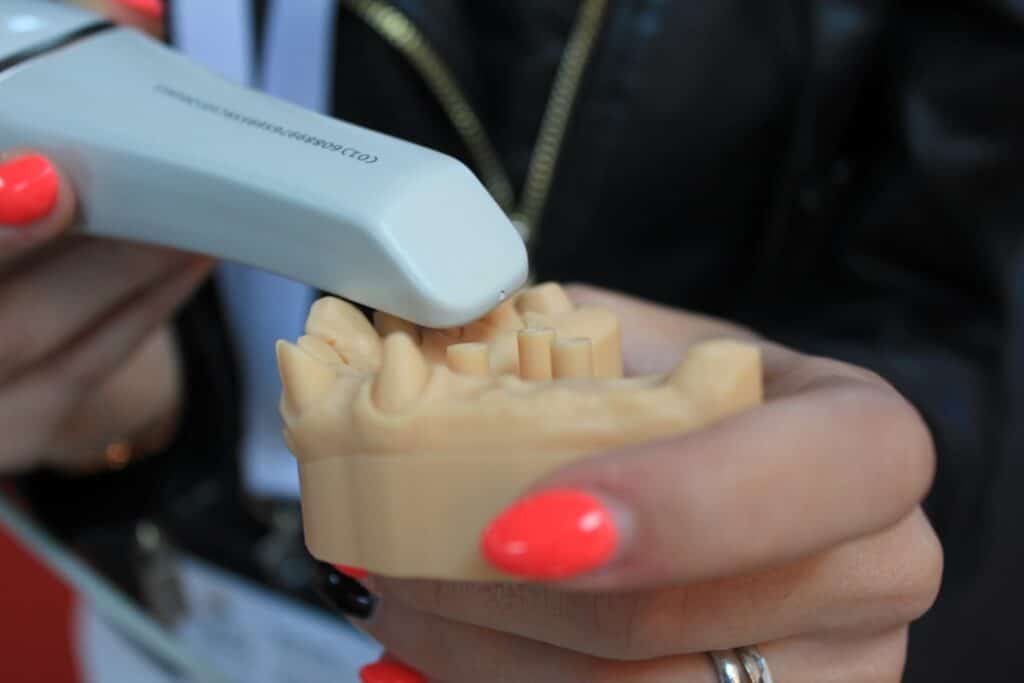
Tooth decay and cavity formation can be prevented with regular dental check-ups and proper oral hygiene practices. Visiting a dentist in Anaheim, California or Pontiac, Michigan can help identify any early signs of decay and provide necessary treatment. Additionally, advancements in technology such as 3D printing in dentistry have revolutionized the way dental restorations are created, making them more precise and efficient. To learn more about the benefits of 3D printing in dentistry, check out this informative article here.
FAQs
What causes tooth decay and cavity formation?
Tooth decay and cavity formation are primarily caused by the presence of bacteria in the mouth. When these bacteria come into contact with sugars and carbohydrates from food, they produce acids that can erode the enamel of the teeth, leading to decay and cavity formation.
What are the risk factors for tooth decay and cavity formation?
Risk factors for tooth decay and cavity formation include poor oral hygiene, frequent consumption of sugary or acidic foods and drinks, dry mouth, and certain medical conditions that reduce saliva production. Genetics, age, and certain medications can also contribute to an increased risk.
How can tooth decay and cavity formation be prevented?
Tooth decay and cavity formation can be prevented by practicing good oral hygiene, including regular brushing and flossing, limiting the consumption of sugary and acidic foods and drinks, and visiting the dentist for regular check-ups and cleanings. The use of fluoride toothpaste and dental sealants can also help prevent decay.
What are the treatment options for tooth decay and cavity formation?
Treatment options for tooth decay and cavity formation include dental fillings, crowns, and root canals for more advanced cases. In some instances, the decayed tooth may need to be extracted. It is important to seek treatment promptly to prevent the decay from progressing and causing further damage to the tooth.