
Suboxone is a medication commonly prescribed for the treatment of opioid addiction. It contains two active ingredients: buprenorphine and naloxone. Buprenorphine works by partially activating the opioid receptors in the brain, which helps to alleviate withdrawal symptoms and cravings without producing the same euphoric effects as full opioids.
Naloxone, on the other hand, is included to deter misuse of the medication. While Suboxone can be a lifeline for many individuals struggling with addiction, it is essential to understand its potential side effects, particularly concerning dental health. The impact of Suboxone on dental health is often overlooked.
Many users may not realize that the medication can lead to dry mouth, a condition known as xerostomia. Saliva plays a crucial role in maintaining oral health by neutralizing acids produced by bacteria in the mouth and washing away food particles. When saliva production decreases, the risk of developing dental issues, including tooth decay and gum disease, significantly increases.
Therefore, as you navigate your recovery journey with Suboxone, it is vital to be aware of how this medication can affect your oral health.
Key Takeaways
- Suboxone is a medication used to treat opioid addiction, but it can have negative effects on dental health.
- The connection between Suboxone and tooth decay is due to its sugar content and dry mouth side effects.
- Symptoms of tooth decay related to Suboxone use include tooth sensitivity, pain, and discoloration.
- Preventive measures for tooth decay while taking Suboxone include regular brushing, flossing, and using fluoride toothpaste.
- Tips for maintaining good oral hygiene while on Suboxone include staying hydrated and avoiding sugary foods and drinks.
The connection between Suboxone and tooth decay
The relationship between Suboxone and tooth decay is primarily linked to the side effects of dry mouth. When you experience reduced saliva flow, your mouth becomes an environment conducive to bacterial growth. These bacteria feed on sugars from food and beverages, producing acids that erode tooth enamel over time.
As enamel wears away, teeth become more susceptible to cavities and decay. This connection highlights the importance of being proactive about your dental health while undergoing treatment with Suboxone. Moreover, individuals on Suboxone may also experience changes in their dietary habits.
Some may gravitate toward sugary or acidic foods and drinks as a source of comfort during their recovery process. This shift can further exacerbate the risk of tooth decay, especially when combined with dry mouth. Understanding this connection allows you to take necessary precautions to protect your teeth while benefiting from the medication’s therapeutic effects.
Symptoms of tooth decay related to Suboxone use

As you continue your treatment with Suboxone, it is crucial to be vigilant about any signs of tooth decay. Early symptoms may include increased sensitivity to hot or cold foods and beverages, as well as discomfort when biting down on certain items. You might also notice visible changes in your teeth, such as discoloration or dark spots that indicate decay.
If you experience persistent bad breath or a foul taste in your mouth, these could also be indicators of dental issues stemming from reduced saliva production. In more advanced stages of tooth decay, you may encounter pain that radiates from the affected tooth or even swelling in the surrounding gums. If left untreated, decay can lead to more severe complications, including infections that may require more invasive dental procedures.
Being aware of these symptoms can empower you to seek timely dental care and address any issues before they escalate.
Preventive measures for tooth decay while taking Suboxone
Taking proactive steps to prevent tooth decay while on Suboxone is essential for maintaining your overall dental health. One of the most effective measures is to stay hydrated. Drinking plenty of water throughout the day can help stimulate saliva production and keep your mouth moist.
Additionally, consider using saliva substitutes or mouthwashes specifically designed for individuals with dry mouth. These products can provide relief and help protect your teeth from decay. Another preventive measure involves modifying your diet.
Reducing your intake of sugary snacks and beverages can significantly lower your risk of tooth decay. Instead, opt for healthier alternatives such as fruits, vegetables, and whole grains that are less likely to contribute to dental issues. Incorporating foods rich in calcium and phosphorus can also strengthen your teeth and bones, providing an added layer of protection against decay.
Tips for maintaining good oral hygiene while on Suboxone
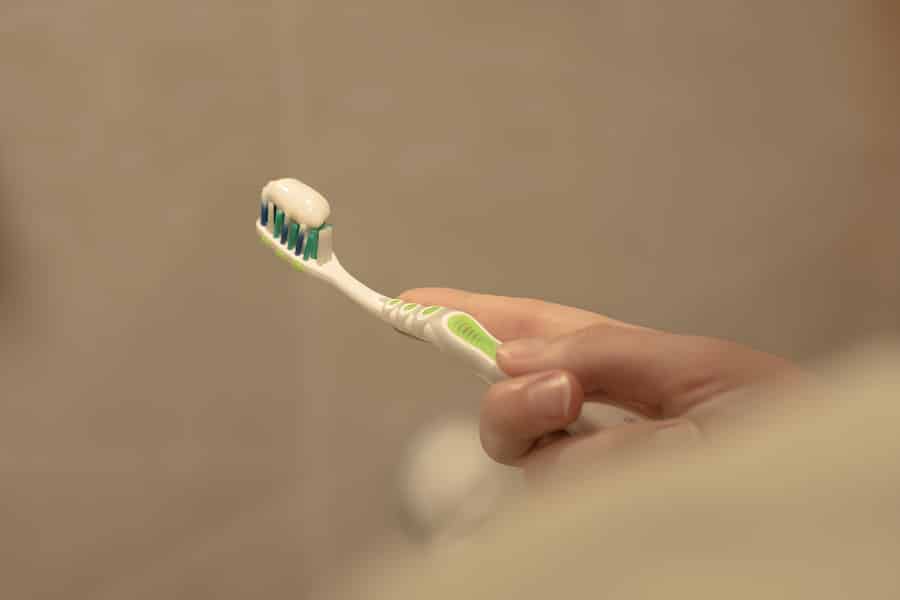
Maintaining good oral hygiene is paramount when taking Suboxone. Establishing a consistent oral care routine can help mitigate the risks associated with dry mouth and tooth decay. Start by brushing your teeth at least twice a day with fluoride toothpaste.
Be sure to use a soft-bristled toothbrush to avoid damaging your gums, especially if they are sensitive due to reduced saliva production. Flossing daily is equally important, as it helps remove food particles and plaque from between your teeth where your toothbrush may not reach. Consider using an antibacterial mouthwash to further reduce bacteria in your mouth and promote fresh breath.
If you find it challenging to maintain moisture in your mouth, chewing sugar-free gum or sucking on sugar-free candies can stimulate saliva flow and provide relief from dryness.
Seeking dental care and treatment options for tooth decay while on Suboxone
If you suspect that you are experiencing tooth decay while on Suboxone, seeking dental care should be a priority. A dentist can conduct a thorough examination to assess the condition of your teeth and gums and recommend appropriate treatment options based on your specific needs. Early intervention is key; if caught in the initial stages, tooth decay can often be treated with simple fillings or fluoride treatments.
In cases where decay has progressed significantly, more extensive procedures such as root canals or crowns may be necessary to restore the affected teeth. Your dentist will work with you to develop a treatment plan that considers your overall health and any potential interactions with Suboxone. Open communication about your medication use is essential for ensuring safe and effective dental care.
The importance of regular dental check-ups for those taking Suboxone
Regular dental check-ups are crucial for anyone taking Suboxone, as they provide an opportunity for early detection and intervention regarding potential dental issues. During these visits, your dentist can monitor any changes in your oral health and offer personalized advice tailored to your unique situation. Establishing a routine of biannual check-ups can help you stay ahead of any problems that may arise due to the side effects of Suboxone.
Additionally, these appointments allow you to discuss any concerns you may have about your oral health with a professional who understands the implications of your medication. Your dentist can provide guidance on managing dry mouth and recommend specific products or techniques that can help protect your teeth while you continue your recovery journey.
Resources and support for managing dental health while on Suboxone
Managing dental health while on Suboxone can feel overwhelming at times, but numerous resources are available to support you in this endeavor. Many organizations focused on addiction recovery offer educational materials about the importance of oral health during treatment. These resources can provide valuable insights into maintaining good hygiene practices and understanding the potential side effects of medications like Suboxone.
Additionally, consider reaching out to support groups or online forums where individuals share their experiences with Suboxone and dental health challenges. Connecting with others who are navigating similar situations can provide encouragement and practical tips for managing oral care effectively. Remember that prioritizing your dental health is an essential aspect of your overall well-being as you work toward recovery.
In conclusion, understanding the effects of Suboxone on dental health is vital for anyone undergoing treatment for opioid addiction. By recognizing the connection between this medication and tooth decay, being aware of symptoms, implementing preventive measures, maintaining good oral hygiene, seeking timely dental care, attending regular check-ups, and utilizing available resources, you can take charge of your dental health while benefiting from the therapeutic effects of Suboxone. Your journey toward recovery should encompass not only physical well-being but also a commitment to maintaining a healthy smile.
If you are concerned about the impact of Suboxone on your dental health, you may want to consider visiting a dentist in Union City, New Jersey. According to a recent article on dentistinnear.me, Suboxone can contribute to tooth decay and other oral health issues. By seeking regular dental care in Union City, you can address any potential problems early on and maintain a healthy smile.
FAQs
What is Suboxone?
Suboxone is a prescription medication used to treat opioid addiction. It contains a combination of buprenorphine and naloxone.
How does Suboxone work?
Buprenorphine, the main active ingredient in Suboxone, works by binding to the same receptors in the brain that opioids bind to, but it produces less of a euphoric effect and helps to reduce cravings and withdrawal symptoms.
Can Suboxone cause tooth decay?
There is some evidence to suggest that long-term use of Suboxone may contribute to tooth decay. This is thought to be due to the medication’s potential to cause dry mouth, which can lead to an increase in bacteria and plaque buildup on the teeth.
What are the symptoms of tooth decay caused by Suboxone?
Symptoms of tooth decay caused by Suboxone may include tooth sensitivity, pain when biting or chewing, visible holes or pits in the teeth, and discoloration of the teeth.
How can tooth decay caused by Suboxone be prevented?
To prevent tooth decay while taking Suboxone, it is important to practice good oral hygiene, including regular brushing and flossing, and to visit the dentist for regular check-ups and cleanings. Drinking plenty of water and using sugar-free gum or lozenges can also help alleviate dry mouth.
What should I do if I suspect tooth decay caused by Suboxone?
If you suspect that you are experiencing tooth decay as a result of taking Suboxone, it is important to see a dentist for an evaluation and appropriate treatment. The dentist can provide guidance on how to manage dry mouth and prevent further decay.