

Dental cavities, also known as caries or tooth decay, are a common dental issue that can affect anyone, regardless of age. To truly grasp how to prevent and treat cavities, it’s essential to understand their underlying causes. At the core of cavity formation is the interaction between bacteria in your mouth and the sugars you consume.
When you eat sugary foods or drinks, the bacteria feed on these sugars and produce acids as a byproduct. These acids can erode the enamel, the hard outer layer of your teeth, leading to the formation of cavities over time. Another significant factor contributing to cavities is poor oral hygiene.
If you neglect to brush and floss regularly, plaque—a sticky film of bacteria—builds up on your teeth. This plaque can harden into tartar if not removed, making it even more challenging to maintain oral health. Additionally, certain lifestyle choices, such as smoking or excessive alcohol consumption, can also increase your risk of developing cavities.
Understanding these causes empowers you to take proactive steps in your oral care routine, helping you maintain a healthy smile.
Key Takeaways
- Dental cavities are caused by bacteria in the mouth, which produce acids that erode the tooth enamel.
- Symptoms of dental cavities include toothache, sensitivity to hot and cold, visible holes or pits in the teeth, and staining on the surface of the teeth.
- Good oral hygiene, including regular brushing and flossing, can help prevent dental cavities by removing plaque and bacteria from the teeth.
- Proper nutrition, including a diet low in sugar and high in calcium and vitamin D, can help reverse dental cavities by promoting tooth remineralization.
- Fluoride treatments and other dental treatments, such as sealants and fillings, can help reverse cavities and prevent future decay when used in conjunction with good oral hygiene.
Recognizing the Symptoms of Dental Cavities
Initial Signs of Tooth Decay
One of the first signs you might notice is a persistent toothache or sensitivity, especially when consuming hot, cold, or sweet foods. This discomfort occurs because the decay has penetrated the enamel and reached the underlying dentin, which is more sensitive.
Visible Changes in Your Teeth
If you find yourself wincing at the thought of biting into an ice cream cone or sipping a hot beverage, it may be time to evaluate your dental health. As cavities progress, you may also observe visible changes in your teeth. You might notice dark spots or holes on the surface of your teeth, which are clear indicators of decay.
Additional Symptoms and Importance of Early Detection
In some cases, bad breath or an unpleasant taste in your mouth can accompany these symptoms, signaling that bacteria are thriving in your oral environment. Recognizing these signs early can help you seek appropriate treatment before the situation worsens, potentially saving you from more extensive dental work down the line.
Preventing Dental Cavities with Good Oral Hygiene
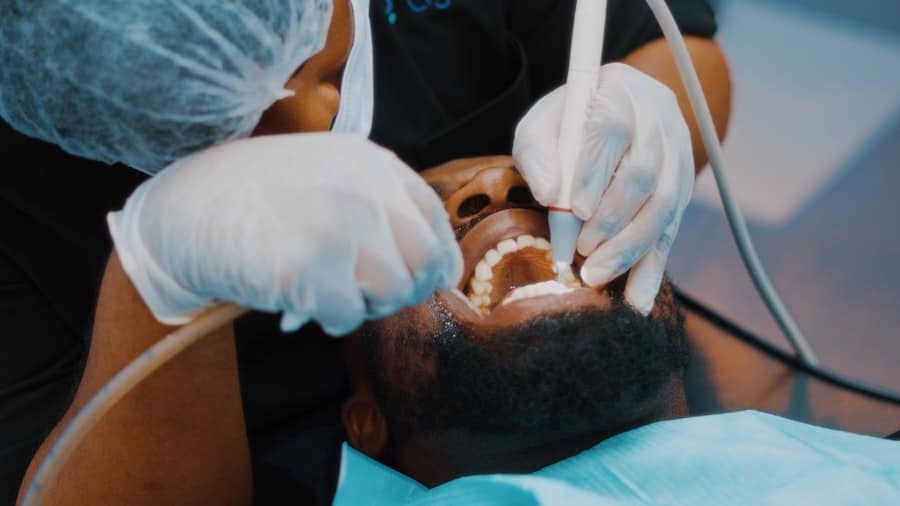
One of the most effective ways to prevent dental cavities is by maintaining a rigorous oral hygiene routine. Brushing your teeth at least twice a day with fluoride toothpaste is essential for removing plaque and food particles that can lead to decay. Make sure to use a soft-bristled toothbrush and replace it every three to four months for optimal effectiveness.
Additionally, don’t forget to floss daily; this practice helps remove debris from between your teeth where your toothbrush may not reach. Incorporating mouthwash into your routine can also enhance your oral hygiene efforts. An antibacterial mouthwash can help reduce plaque buildup and freshen your breath.
Moreover, regular dental check-ups are vital for catching any potential issues before they escalate into serious problems. Your dentist can provide professional cleanings and fluoride treatments that further protect your teeth from cavities. By committing to these practices, you create a strong defense against tooth decay and promote overall oral health.
Reversing Dental Cavities with Proper Nutrition
Your diet plays a significant role in your dental health and can even help reverse early-stage cavities. Consuming a balanced diet rich in vitamins and minerals is essential for maintaining strong teeth and gums. Foods high in calcium, such as dairy products, leafy greens, and almonds, contribute to enamel strength and overall oral health.
Additionally, phosphorus-rich foods like fish and eggs can help remineralize your teeth, counteracting some of the damage caused by acids. Limiting sugary snacks and beverages is equally important in preventing further decay. Instead of reaching for candy or soda, opt for healthier alternatives like fruits, vegetables, and whole grains.
These foods not only provide essential nutrients but also promote saliva production, which helps neutralize acids in your mouth. By making conscious dietary choices, you can support your body’s natural ability to heal and potentially reverse early signs of cavities.
Using Fluoride and Other Dental Treatments to Reverse Cavities
Fluoride is a powerful ally in the fight against dental cavities. This naturally occurring mineral helps strengthen tooth enamel and can even reverse early-stage decay by promoting remineralization. Many toothpaste brands contain fluoride, but you can also receive fluoride treatments from your dentist during regular check-ups.
These treatments involve applying a concentrated fluoride solution directly to your teeth, providing an extra layer of protection against cavities. In addition to fluoride treatments, there are other dental interventions that can help reverse cavities. Sealants are thin coatings applied to the chewing surfaces of molars to protect them from decay-causing bacteria.
These sealants act as a barrier against food particles and plaque buildup, making it harder for cavities to form in those hard-to-reach areas. By discussing these options with your dentist, you can create a personalized plan that addresses your specific needs and helps safeguard your dental health.
Incorporating Natural Remedies to Reverse Cavities
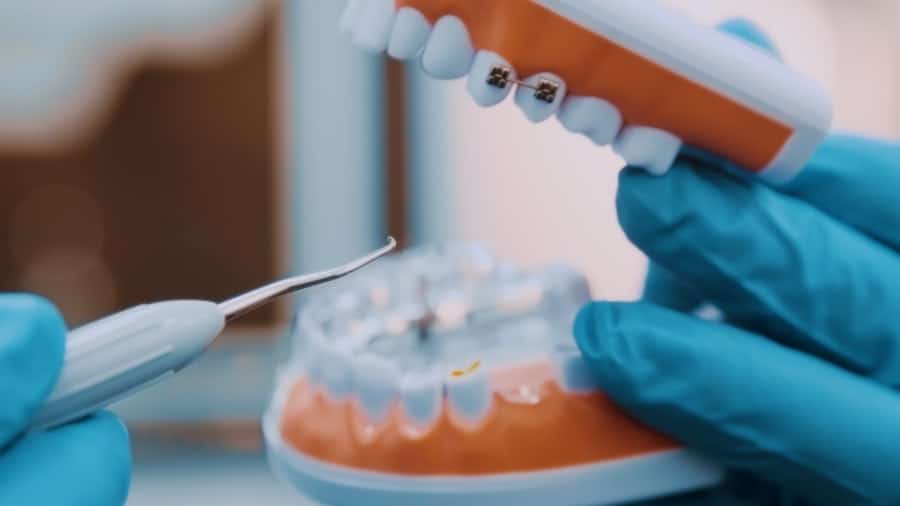
In recent years, many people have turned to natural remedies as part of their approach to dental care. While these methods should not replace professional dental treatment, they can complement traditional practices and support oral health. For instance, oil pulling—swishing coconut or sesame oil in your mouth for 10-20 minutes—has been shown to reduce harmful bacteria and promote healthier gums.
This ancient practice may help improve overall oral hygiene when combined with regular brushing and flossing. Another natural remedy worth considering is the use of xylitol, a sugar alcohol found in many sugar-free products. Xylitol has been shown to inhibit the growth of cavity-causing bacteria while promoting saliva production.
Incorporating xylitol gum or mints into your routine can be an enjoyable way to support your dental health while satisfying your sweet tooth without contributing to decay. As with any remedy, it’s essential to consult with your dentist before making significant changes to ensure they align with your overall dental care plan.
Seeking Professional Dental Care for Reversing Cavities
While there are many steps you can take at home to address early-stage cavities, seeking professional dental care is crucial for effective treatment. Your dentist has the expertise and tools necessary to assess the extent of decay accurately and recommend appropriate interventions. If caught early enough, they may suggest non-invasive treatments such as fluoride applications or dental sealants that can help reverse damage before it progresses further.
In cases where cavities have advanced beyond the point of reversal, restorative procedures such as fillings or crowns may be necessary. These treatments not only restore the function of your teeth but also prevent further complications that could arise from untreated decay. Regular visits to your dentist ensure that any issues are identified promptly and addressed effectively, allowing you to maintain optimal oral health over time.
Maintaining Oral Health to Prevent Future Cavities
Once you’ve taken steps to reverse existing cavities or prevent new ones from forming, maintaining good oral health becomes paramount. Consistency is key; continue practicing excellent oral hygiene by brushing twice daily and flossing regularly. Additionally, consider scheduling biannual dental check-ups for professional cleanings and assessments.
These visits are essential for catching any potential issues early on and ensuring that your preventive measures are effective. Moreover, staying informed about your dietary choices will play a significant role in sustaining your oral health. Aim for a balanced diet rich in nutrients while minimizing sugary snacks and acidic foods that can erode enamel over time.
By adopting these habits and remaining vigilant about your dental care routine, you can significantly reduce your risk of developing cavities in the future and enjoy a lifetime of healthy smiles. In conclusion, understanding the causes and symptoms of dental cavities empowers you to take control of your oral health effectively. By implementing good oral hygiene practices, making informed dietary choices, utilizing fluoride treatments, exploring natural remedies, seeking professional care when needed, and maintaining consistent habits over time, you can significantly reduce your risk of cavities and promote lasting dental wellness.
Your smile deserves the best care possible—commit to these practices today for a healthier tomorrow!
If you are interested in learning more about how diabetes can impact oral health, check out this informative article on Diabetes and Oral Health. It discusses the connection between diabetes and dental issues, including the increased risk of developing cavities. Understanding this relationship can help individuals with diabetes take proactive steps to maintain good oral health.
FAQs
What are dental cavities?
Dental cavities, also known as tooth decay, are holes or structural damage in the teeth caused by bacteria and acids.
What causes dental cavities?
Dental cavities are primarily caused by poor oral hygiene, consumption of sugary and acidic foods and drinks, and bacteria in the mouth.
How can dental cavities be prevented?
Dental cavities can be prevented by practicing good oral hygiene, such as brushing and flossing regularly, limiting sugary and acidic foods and drinks, and visiting the dentist for regular check-ups and cleanings.
What are the symptoms of dental cavities?
Symptoms of dental cavities may include toothache, tooth sensitivity, visible holes or pits in the teeth, and staining on the surface of the teeth.
Can dental cavities be reversed?
In the early stages, dental cavities can be reversed through remineralization, which involves restoring minerals to the tooth enamel through fluoride treatments and a healthy diet.
What are some natural remedies for reversing dental cavities?
Some natural remedies for reversing dental cavities include oil pulling, using fluoride-free toothpaste with remineralizing properties, and consuming foods high in calcium and vitamin D.
Is it possible to reverse advanced dental cavities?
Once dental cavities have progressed to an advanced stage, they cannot be reversed and will require professional dental treatment such as fillings, crowns, or root canals.


