
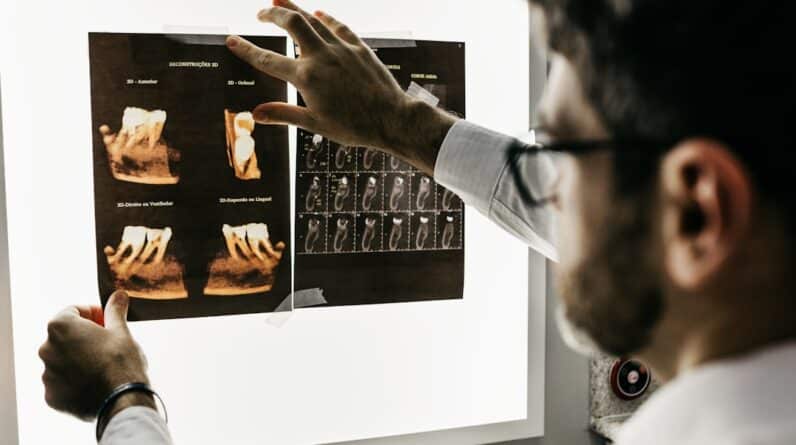
An NHS emergency dentist is a dental professional who provides urgent care for patients experiencing acute dental issues. These issues can range from severe toothaches and abscesses to broken teeth and injuries sustained during accidents. The National Health Service (NHS) in the UK has established a framework to ensure that individuals can access immediate dental care when they need it most.
This service is designed to alleviate pain, prevent further complications, and address any urgent dental concerns that may arise unexpectedly. The role of an NHS emergency dentist is crucial, as dental emergencies can occur at any time, often without warning. Whether you are dealing with a sudden toothache that disrupts your daily life or a dental injury from a sports accident, knowing that you can access emergency dental services through the NHS provides peace of mind.
These dentists are equipped to handle a variety of urgent situations, ensuring that patients receive the necessary treatment promptly and effectively.
Key Takeaways
- An NHS emergency dentist provides urgent dental care for patients experiencing severe pain, swelling, or trauma to the mouth or teeth.
- Seek emergency dental care through the NHS if you experience severe toothache, bleeding, swelling, or have had a dental injury or accident.
- To find an NHS emergency dentist, call 111 for advice and assistance, or visit the NHS website for a list of dental services in your area.
- During a visit to an NHS emergency dentist, you can expect to receive a thorough examination, pain relief, and treatment for the dental emergency.
- NHS emergency dental care is often free or at a reduced cost for eligible patients, providing essential coverage for urgent dental treatment.
When to seek emergency dental care through the NHS
Recognizing when to seek emergency dental care is essential for maintaining your oral health. You should consider visiting an NHS emergency dentist if you experience severe pain that cannot be managed with over-the-counter pain relief. This type of pain often indicates an underlying issue, such as an infection or a dental abscess, which requires immediate attention.
Additionally, if you have sustained an injury to your mouth or teeth—such as a knocked-out tooth or a fracture—you should seek emergency care as soon as possible to increase the chances of successful treatment. Other situations warranting a visit to an NHS emergency dentist include persistent bleeding from the gums or mouth, swelling in the face or jaw, and any signs of infection, such as fever or pus. If you have a dental appliance, like braces or dentures, that has become damaged and is causing discomfort or injury, it’s also advisable to seek urgent care.
By being aware of these signs and symptoms, you can take proactive steps to address your dental health needs before they escalate into more serious problems.
How to find an NHS emergency dentist
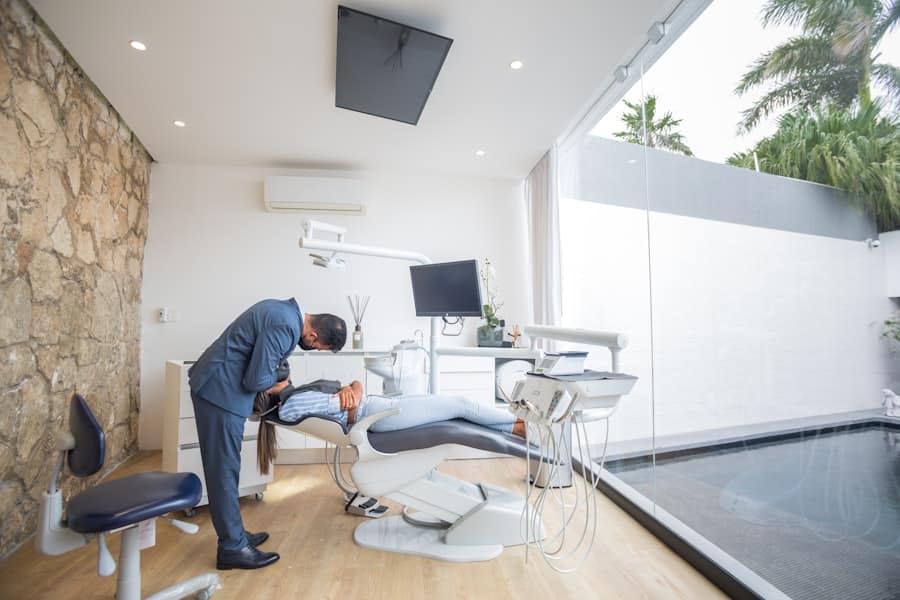
Finding an NHS emergency dentist can be straightforward if you know where to look. The first step is to visit the official NHS website, where you can find information about local dental services. The site provides a search tool that allows you to enter your postcode and find nearby NHS dental practices that offer emergency care.
This resource is invaluable, especially during weekends or holidays when many regular dental offices may be closed. In addition to the online search tool, you can also contact your local NHS authority for assistance in locating an emergency dentist. They can provide you with a list of available services in your area and guide you on how to access them.
If you are unable to find an emergency dentist through these methods, consider calling 111, the NHS non-emergency number. Trained advisors can help direct you to the appropriate services based on your specific needs and circumstances.
What to expect during a visit to an NHS emergency dentist
When you arrive at an NHS emergency dentist’s office, you can expect a structured process designed to address your urgent dental needs efficiently. Initially, you will be asked to fill out a registration form that includes your personal details and a brief description of your dental issue. This information helps the dental team prioritize cases based on severity and urgency.
Once registered, you will typically be seen by a dentist within a short period, depending on the number of patients waiting. During your appointment, the dentist will conduct a thorough examination of your mouth and teeth. They may take X-rays if necessary to diagnose the problem accurately.
After identifying the issue, the dentist will discuss your treatment options with you, explaining the procedures involved and any associated risks. The goal is to alleviate your pain and address the underlying cause of your dental emergency effectively. You can expect a focus on immediate relief, but follow-up appointments may be necessary for comprehensive treatment.
Cost and coverage of NHS emergency dental care
One of the significant advantages of seeking care from an NHS emergency dentist is the cost structure associated with these services. Generally, NHS dental care is subsidized by the government, making it more affordable than private dental services. For emergency treatment, patients typically pay a fixed charge that falls under Band 1 of NHS dental charges.
This fee covers an examination, diagnosis, and any necessary treatment provided during that visit. It’s important to note that certain groups may be exempt from these charges altogether. For instance, children under 18, pregnant women, and individuals receiving specific benefits may qualify for free NHS dental care.
If you’re unsure about your eligibility for free treatment or reduced fees, it’s advisable to inquire during your visit or check the NHS website for detailed information regarding exemptions and financial assistance.
Alternatives to NHS emergency dental care

While NHS emergency dentists provide essential services for urgent dental issues, there are alternatives available if you cannot access these services immediately. Private dental clinics often offer emergency care outside regular hours and may have more flexible appointment options. However, this route can be significantly more expensive than using NHS services.
Another alternative is visiting a local hospital’s accident and emergency department if your situation is severe or life-threatening—such as facial trauma or uncontrolled bleeding. While hospitals are not equipped for routine dental care, they can provide initial treatment and refer you to appropriate dental services afterward. Additionally, some community health centers may offer urgent dental care programs that cater to those without access to traditional dental practices.
Tips for preventing dental emergencies
Preventing dental emergencies is always preferable to dealing with them after they occur. One of the most effective strategies is maintaining good oral hygiene practices at home. Brushing your teeth at least twice a day with fluoride toothpaste and flossing daily can help prevent cavities and gum disease—two common culprits behind dental emergencies.
Regular visits to your dentist for check-ups and cleanings are also crucial; these appointments allow for early detection of potential issues before they escalate into emergencies. Another preventive measure involves being mindful of what you eat and drink. Avoiding hard candies, ice, and other foods that could damage your teeth can significantly reduce the risk of fractures or breaks.
If you participate in contact sports or activities with a high risk of injury, wearing a mouthguard is essential for protecting your teeth from trauma. By taking these proactive steps, you can minimize the likelihood of experiencing a dental emergency in the first place.
Importance of seeking prompt dental care
The importance of seeking prompt dental care cannot be overstated. Delaying treatment for a dental emergency can lead to more severe complications down the line, including infections that may spread beyond the mouth or tooth loss that could have been prevented with timely intervention. Additionally, untreated dental issues often result in increased pain and discomfort, which can significantly impact your quality of life.
By prioritizing immediate care when faced with a dental emergency, you not only alleviate pain but also safeguard your overall health. Dental problems can have systemic effects; for instance, infections in the mouth can contribute to heart disease and other serious health conditions if left untreated. Therefore, understanding when and how to seek emergency dental care through the NHS is vital for maintaining both your oral health and overall well-being.
If you’re looking for information on how to handle dental emergencies, especially when you can’t immediately access an NHS emergency dentist, consider reading the article “Creating an Emergency Dental Kit.” This resource provides valuable tips on what to include in a dental emergency kit, helping you manage unexpected dental issues effectively until professional help is available. You can read more about how to prepare for dental emergencies by visiting Creating an Emergency Dental Kit. This guide is especially useful for those moments when immediate dental care isn’t accessible.
FAQs
What is an NHS emergency dentist?
An NHS emergency dentist is a dental professional who provides urgent dental care to patients who require immediate treatment for severe pain, swelling, or dental trauma.
When should I visit an NHS emergency dentist?
You should visit an NHS emergency dentist if you are experiencing severe dental pain, swelling, bleeding, or have suffered a dental injury that requires immediate attention.
How can I find an NHS emergency dentist?
You can find an NHS emergency dentist by contacting your regular dentist for their out-of-hours emergency contact information, calling NHS 111 for advice, or visiting the NHS website for a list of emergency dental services in your area.
What treatments can I receive from an NHS emergency dentist?
An NHS emergency dentist can provide a range of treatments including pain relief, dental extractions, temporary fillings, and treatment for dental trauma or infections.
Is there a cost for visiting an NHS emergency dentist?
The cost for visiting an NHS emergency dentist will depend on your individual circumstances and whether you are exempt from dental charges. Some patients may be required to pay for emergency treatment, while others may be eligible for free care.