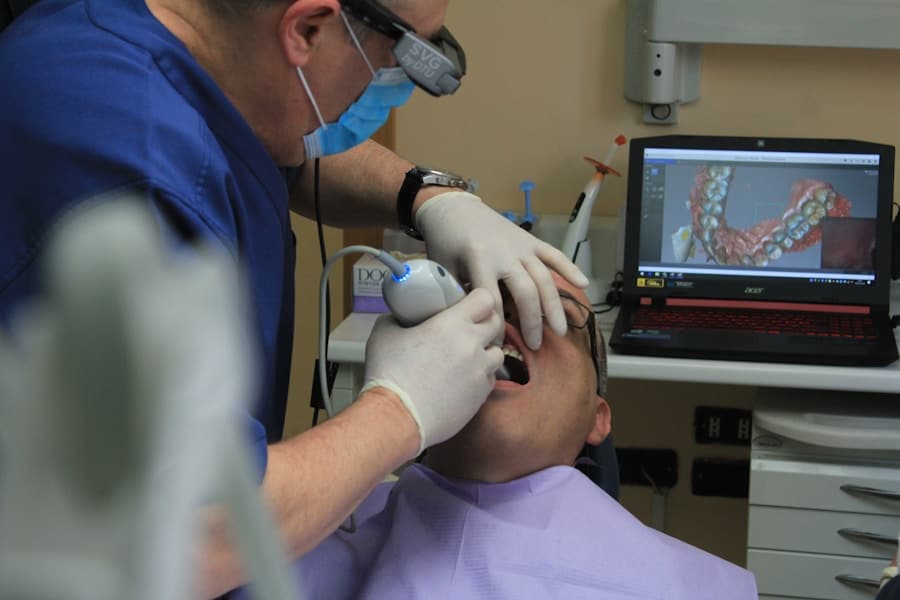
Navigating the world of Medicare can be a daunting task, especially when it comes to understanding dental coverage. Medicare, primarily designed for individuals aged 65 and older, does not typically include comprehensive dental benefits. This means that while you may have access to essential medical services, your dental care might not be fully covered.
It’s crucial to recognize that Original Medicare (Part A and Part B) generally excludes routine dental services such as cleanings, fillings, and extractions. However, there are exceptions for certain dental procedures that are deemed medically necessary, such as those required before a heart surgery or other significant medical interventions. To bridge the gap in dental coverage, many beneficiaries turn to Medicare Advantage plans (Part C), which often include additional benefits, including dental care.
These plans can vary significantly in what they offer, so it’s essential to read the fine print. Some may cover preventive services like cleanings and exams, while others might provide more extensive coverage for restorative procedures. Understanding the nuances of these plans can help you make informed decisions about your dental health and financial responsibilities.
Key Takeaways
- Medicare dental coverage is limited and may not cover all dental services
- Research local dentists by reading reviews, asking for recommendations, and checking their credentials
- Compare Medicare dental plans based on cost, coverage, and network of providers
- Consider your dental needs, budget, and preferred providers when choosing a dental plan
- Regular dental care is essential for maintaining oral health and preventing costly dental problems
How to Find the Best Local Dentists
Finding a local dentist who meets your needs can feel overwhelming, but it doesn’t have to be. Start by asking for recommendations from friends, family, or even your primary care physician. Personal experiences can provide valuable insights into a dentist’s practice style, office environment, and overall patient satisfaction.
Additionally, online reviews and ratings can offer a broader perspective on local dentists, helping you gauge their reputation within the community. Once you have a list of potential dentists, consider visiting their websites or calling their offices to gather more information. Look for details about their qualifications, areas of expertise, and the types of insurance they accept.
Many dental practices also provide information about their approach to patient care and comfort, which can be particularly important if you experience anxiety during dental visits. By taking the time to research and compare your options, you can find a dentist who not only meets your dental needs but also makes you feel comfortable and valued as a patient.
Comparing Medicare Dental Plans

When it comes to selecting a Medicare dental plan, comparison is key. With various options available, it’s essential to evaluate each plan’s coverage details carefully. Start by identifying what services are included in each plan—some may cover only preventive care, while others might offer more comprehensive coverage for restorative procedures.
Additionally, consider the network of dentists associated with each plan; some may require you to see in-network providers to receive full benefits. Another critical factor to consider is the cost associated with each plan. Look at premiums, deductibles, copayments, and any annual maximums on coverage.
Understanding these financial aspects will help you determine which plan offers the best value for your specific needs. It’s also wise to check if there are any waiting periods for certain services or if there are limitations on pre-existing conditions. By thoroughly comparing these elements across different plans, you can make a more informed choice that aligns with your dental health needs and budget.
Tips for Choosing the Right Dental Plan
Choosing the right dental plan requires careful consideration of several factors that align with your personal circumstances. First and foremost, assess your current dental health and any anticipated needs in the near future. If you have ongoing dental issues or expect to require extensive work, a plan with comprehensive coverage may be more beneficial than one that only covers preventive care.
Additionally, consider your budget; while some plans may offer extensive coverage, they might come with higher premiums that could strain your finances. Another important aspect is the flexibility of the plan regarding provider choice. If you have a preferred dentist or specialist, ensure they are included in the plan’s network.
This can save you from unexpected out-of-pocket expenses and ensure continuity of care. Lastly, don’t hesitate to reach out to customer service representatives from different plans to ask questions or clarify any uncertainties. Their responses can provide insight into how well the company supports its members and how easy it is to navigate their services.
The Importance of Regular Dental Care
Regular dental care is vital for maintaining not only your oral health but also your overall well-being. Routine check-ups allow for early detection of potential issues such as cavities or gum disease before they escalate into more serious problems. By visiting your dentist regularly, you can ensure that your teeth and gums remain healthy, which can contribute to better overall health outcomes.
Research has shown that poor oral health is linked to various systemic conditions, including heart disease and diabetes. Moreover, regular dental visits often include professional cleanings that remove plaque and tartar buildup that regular brushing may miss. This preventive care helps reduce the risk of cavities and gum disease while promoting fresh breath and a brighter smile.
Establishing a routine of regular dental visits not only fosters good oral hygiene habits but also instills a sense of responsibility towards your health as you age.
What to Expect from Medicare Dental Coverage

Medicare Advantage Plans: Broader Dental Coverage
If you opt for a Medicare Advantage plan that includes dental benefits, you can expect a broader range of services covered under that plan. This may include preventive care like cleanings and exams as well as restorative services such as fillings or crowns.
Understanding Plan Limitations and Exclusions
However, it’s essential to familiarize yourself with any limitations or exclusions within your specific plan to avoid unexpected costs during treatment. Take the time to review your plan’s coverage and limitations to ensure you’re prepared for any dental care needs that may arise.
Avoiding Unexpected Costs
By understanding what is covered under your Medicare dental plan, you can avoid unexpected costs and make informed decisions about your dental care.
Making the Most of Your Medicare Dental Benefits
To maximize your Medicare dental benefits effectively, start by understanding the specifics of your coverage. Familiarize yourself with what services are included under your plan and any associated costs such as copayments or deductibles. This knowledge will empower you to make informed decisions about when to seek care and how much you might need to budget for out-of-pocket expenses.
Additionally, take advantage of preventive services offered by your plan. Regular check-ups and cleanings are often covered at little or no cost to you and can help prevent more significant issues down the line. Keeping track of your appointments and following through with recommended treatments will ensure that you are utilizing your benefits fully while maintaining optimal oral health.
Finding Affordable Dental Care Options
If you find that Medicare dental coverage does not meet all your needs or if you’re looking for additional options, there are several ways to access affordable dental care. Many communities offer dental clinics that provide services on a sliding scale based on income or offer payment plans to make treatment more manageable financially. These clinics often cater specifically to seniors or low-income individuals who may struggle with traditional dental costs.
Another option is to explore dental discount plans that provide reduced rates for various services at participating dentists. While these plans are not insurance per se, they can significantly lower out-of-pocket costs for routine care and procedures. Additionally, some dental schools offer services performed by students under professional supervision at reduced rates—this can be an excellent way to receive quality care while supporting the education of future dentists.
In conclusion, understanding Medicare dental coverage is crucial for making informed decisions about your oral health as you age. By researching local dentists, comparing plans, and prioritizing regular care, you can navigate this complex landscape effectively. Remember that taking proactive steps towards maintaining your dental health will not only enhance your smile but also contribute positively to your overall well-being.
If you are looking for a local dentist in Wilmington, Delaware, Meridian, Idaho, or Berkeley, California, you may want to check out this article on the benefits of regular dental check-ups: Regular Dental Check-Ups: Why They Are Important. This article highlights the importance of maintaining good oral health through routine visits to the dentist and offers tips on finding the best local dentists in your area.
FAQs
What are Medicare dental plans?
Medicare dental plans are optional add-on plans that provide coverage for dental services not covered by original Medicare, such as routine dental exams, cleanings, fillings, and other dental procedures.
Are Medicare dental plans part of original Medicare?
No, Medicare dental plans are not part of original Medicare. They are offered by private insurance companies as standalone plans or as part of Medicare Advantage plans.
What do Medicare dental plans typically cover?
Medicare dental plans typically cover a range of dental services including routine exams, cleanings, X-rays, fillings, extractions, crowns, bridges, dentures, and other dental procedures. Coverage may vary depending on the specific plan.
Are there different types of Medicare dental plans?
Yes, there are different types of Medicare dental plans, including standalone dental plans, dental coverage included in some Medicare Advantage plans, and dental discount plans. Each type of plan offers different levels of coverage and cost.
How can I find the best local dentists that accept Medicare dental plans?
You can find the best local dentists that accept Medicare dental plans by using the provider directory provided by your dental insurance company or by contacting the dentists directly to inquire about their acceptance of Medicare dental plans.