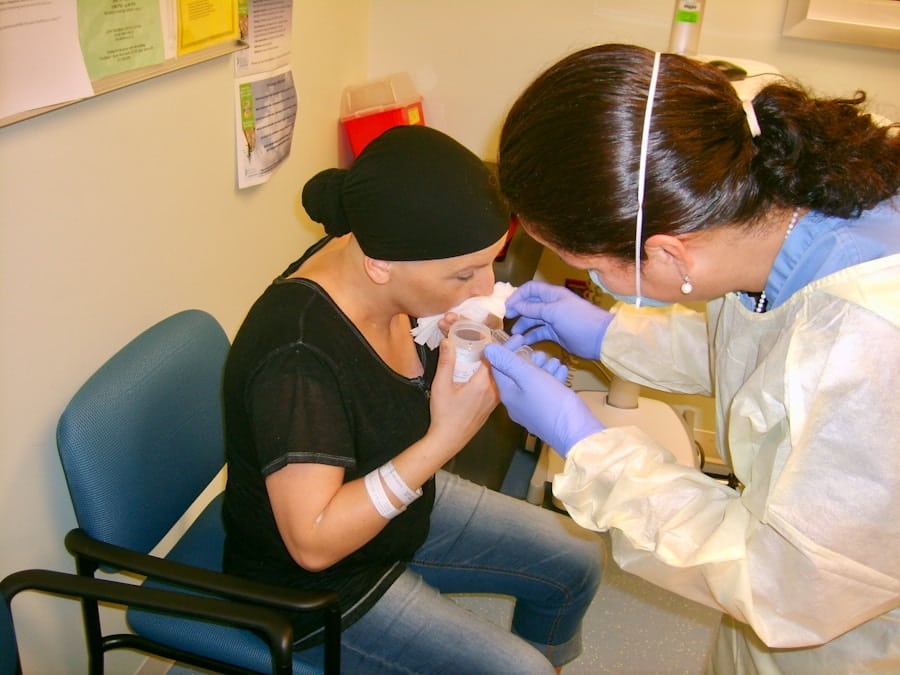
Navigating the complexities of Medicare can be daunting, especially when it comes to understanding what dental services are covered. As you delve into the specifics, it’s essential to recognize that Original Medicare, which includes Part A and Part B, generally does not cover routine dental care. This means that services such as cleanings, fillings, and extractions are typically not included in your benefits.
However, there are exceptions to this rule. For instance, if you require dental care as part of a covered medical procedure—such as surgery for jaw issues or treatment for oral cancer—Medicare may provide coverage for those specific dental services. If you are considering Medicare Advantage plans, it’s crucial to note that many of these plans offer additional benefits that Original Medicare does not.
Some Medicare Advantage plans include dental coverage, which can help offset the costs of routine dental visits and procedures. As you explore your options, take the time to review the specific details of each plan, as coverage can vary significantly from one provider to another. Understanding these nuances will empower you to make informed decisions about your dental health and financial planning.
Key Takeaways
- Medicare does not typically cover routine dental care, but there are options for obtaining dental coverage.
- In-network dentists can provide cost-effective care for Medicare beneficiaries, so it’s important to find one in your local area.
- Medicare Advantage plans may offer dental coverage as an additional benefit, providing an alternative for those seeking dental care.
- Medicaid may be an option for low-income individuals to receive dental care, so it’s important to explore this option if eligible.
- Low-cost dental clinics and dental schools can provide affordable care for those in need of dental services.
Finding In-Network Dentists in Your Local Area
Understanding the Importance of In-Network Dentists
When you have a grasp on your Medicare coverage options, the next step is to find in-network dentists who accept your plan. This is particularly important if you have chosen a Medicare Advantage plan that includes dental benefits. In-network dentists typically offer services at a lower cost than out-of-network providers, which can lead to significant savings on your dental care.
Searching for In-Network Dentists
To begin your search, you can utilize the online directories provided by your Medicare Advantage plan or contact their customer service for assistance. In addition to online resources, consider reaching out to friends, family, or local community groups for recommendations. Personal referrals can often lead you to quality dental care providers who are well-regarded in your area.
Confirming Coverage and Services
Once you have a list of potential dentists, don’t hesitate to call their offices directly to confirm that they accept your specific plan and inquire about the services they offer. This proactive approach will ensure that you find a dentist who meets your needs while maximizing your insurance benefits.
Utilizing Medicare Advantage Plans for Dental Coverage
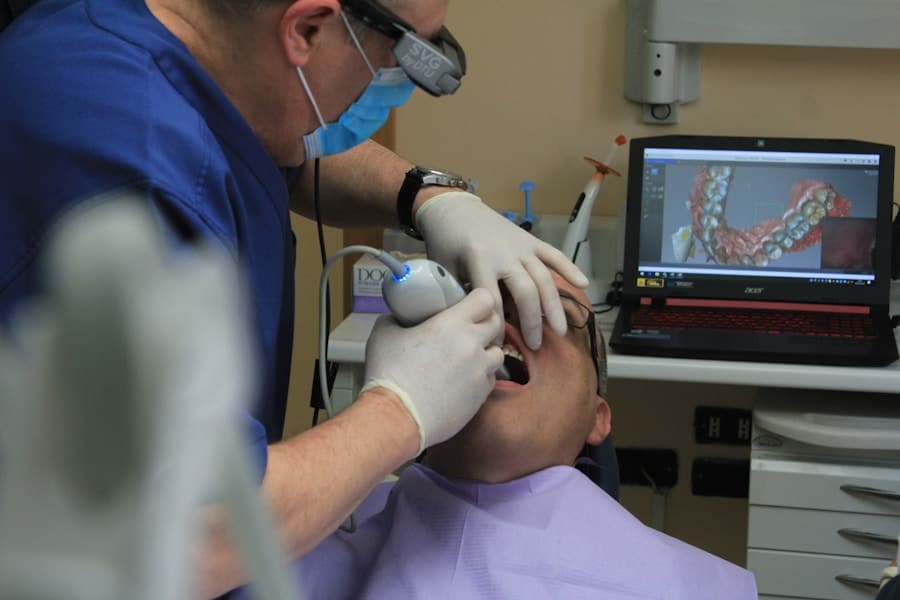
Medicare Advantage plans can be a valuable resource for those seeking dental coverage beyond what Original Medicare provides. These plans often include comprehensive dental benefits that cover preventive services like cleanings and exams, as well as more extensive procedures such as crowns and dentures. When considering a Medicare Advantage plan, it’s essential to evaluate the specific dental benefits offered and how they align with your personal health needs.
As you explore different plans, pay attention to the cost-sharing requirements, such as copayments and deductibles, associated with dental services. Some plans may have a cap on the amount they will pay for dental care each year, so understanding these limits is crucial for effective budgeting. Additionally, be sure to check if there are any waiting periods for certain services or if pre-authorization is required for more complex procedures.
By thoroughly researching and comparing various Medicare Advantage plans, you can select one that provides the best dental coverage tailored to your situation.
Exploring Medicaid Options for Dental Care
If you find that Medicare does not meet your dental care needs, exploring Medicaid options may be a viable alternative. Medicaid is a state and federal program designed to provide healthcare coverage for low-income individuals and families, and it often includes dental benefits. However, the extent of dental coverage under Medicaid can vary significantly from state to state.
In some states, Medicaid covers comprehensive dental services, while others may only provide limited emergency care. To determine your eligibility for Medicaid and the specific dental benefits available in your state, visit your state’s Medicaid website or contact their office directly. If you qualify for Medicaid, you may find that it covers essential services such as routine check-ups, fillings, and even dentures.
Understanding the scope of Medicaid’s dental coverage can help you access necessary care without incurring significant out-of-pocket expenses.
Researching Low-Cost Dental Clinics in Your Community
If neither Medicare nor Medicaid meets your needs, consider researching low-cost dental clinics in your community. These clinics often provide essential dental services at reduced rates or on a sliding scale based on income. Many community health centers offer comprehensive dental care as part of their services, making them an excellent option for those without insurance or with limited coverage.
To find low-cost dental clinics near you, start by searching online for community health organizations or nonprofit clinics in your area. Local health departments may also have information on available resources. When contacting these clinics, inquire about the types of services they offer and whether they accept walk-in patients or require appointments.
By utilizing these resources, you can receive quality dental care without straining your budget.
Seeking Out Dental Schools for Affordable Care
Quality Care at a Lower Cost
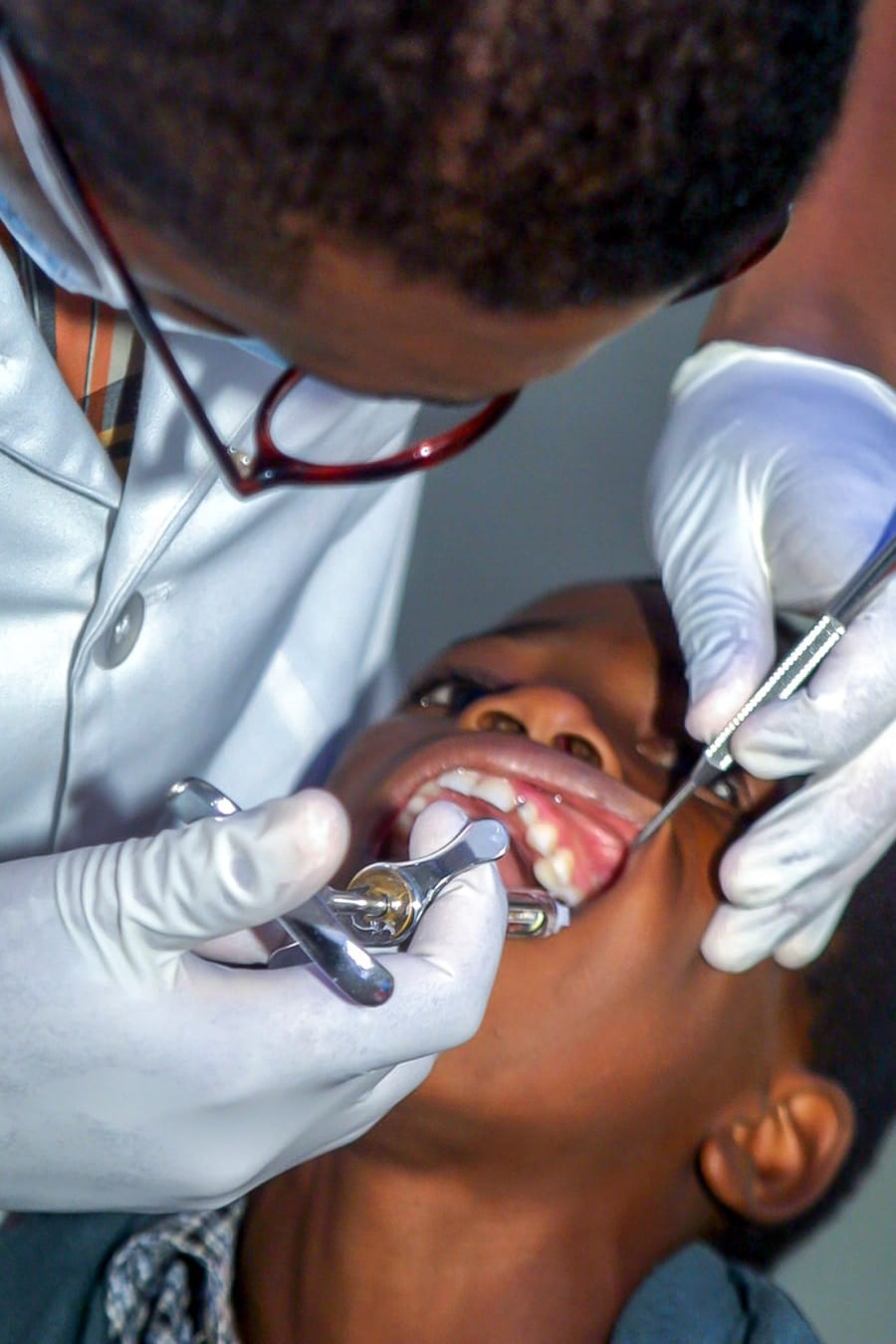
Dental schools offer an alternative for affordable dental care. Students, under the supervision of experienced faculty members, provide reduced-cost services. This setup allows patients to receive high-quality care while helping students gain valuable hands-on experience in their field.
Researching Local Dental Schools
When considering a dental school for treatment, research local institutions with accredited programs. Most dental schools have a clinic where patients can receive various services at a fraction of the cost of private practice.
What to Expect
Keep in mind that treatment at a dental school may take longer than at a traditional dentist’s office due to the learning process involved. However, the savings can be substantial. Be sure to call ahead to inquire about availability and any specific requirements for new patients.
Understanding the Limitations of Medicare for Dental Services
While Medicare provides essential health coverage for many medical needs, it is important to understand its limitations regarding dental services. As previously mentioned, Original Medicare does not cover routine dental care or most dental procedures unless they are deemed medically necessary as part of another covered service. This means that if you need preventive care or elective procedures like teeth whitening or braces, you will likely have to pay out-of-pocket.
Additionally, even with Medicare Advantage plans that include dental benefits, there may be restrictions on the types of services covered or limits on annual spending caps. It’s crucial to read the fine print of any plan you are considering to fully understand what is included and what is not. Being aware of these limitations will help you plan accordingly and avoid unexpected expenses when seeking dental care.
Advocating for Improved Medicare Dental Coverage
As you navigate the complexities of dental care under Medicare, consider becoming an advocate for improved coverage options. Many individuals face similar challenges when it comes to accessing affordable dental care through Medicare, and raising awareness about these issues can lead to meaningful change. You can start by educating yourself about current policies and proposed legislation aimed at expanding Medicare’s dental benefits.
Engaging with local advocacy groups or participating in community forums can amplify your voice and connect you with others who share your concerns. Additionally, reaching out to your elected representatives to express your views on the importance of comprehensive dental coverage under Medicare can help influence policy changes at a higher level. By taking an active role in advocating for improved Medicare dental coverage, you contribute to a larger movement aimed at ensuring that all individuals have access to necessary oral health care without financial hardship.
In conclusion, understanding and navigating the landscape of dental care under Medicare requires diligence and proactive research on your part. By familiarizing yourself with available options—whether through Medicare Advantage plans, Medicaid, low-cost clinics, or dental schools—you can make informed decisions about your oral health while managing costs effectively. As you advocate for better coverage and support others in similar situations, you play a vital role in shaping the future of healthcare accessibility for all individuals in need of dental care.
If you are looking for quality dental care in your local area, you may want to check out dentistinnear.me. This website provides information on dentists in Miami, Florida, and offers tips on how to secure quality dental care with Medicare. By utilizing this resource, you can find a dentist that meets your needs and ensures that you receive the best possible care for your oral health.
FAQs
What is Medicare?
Medicare is a federal health insurance program in the United States for people who are 65 or older, as well as certain younger individuals with disabilities.
Does Medicare cover dental care?
Original Medicare (Part A and Part B) does not cover most dental care, such as cleanings, fillings, tooth extractions, dentures, dental plates, or other dental devices. However, some Medicare Advantage (Part C) plans may offer dental coverage.
How can I secure quality dental care with Medicare in my local area?
To secure quality dental care with Medicare in your local area, you can consider enrolling in a Medicare Advantage plan that includes dental coverage. You can also explore standalone dental insurance plans that are designed to work alongside Original Medicare.
What are some options for dental care with Medicare in my local area?
Some options for dental care with Medicare in your local area may include enrolling in a Medicare Advantage plan with dental coverage, purchasing a standalone dental insurance plan, or seeking out dental clinics that offer discounted services for Medicare beneficiaries.
Are there any low-cost or free dental care options for Medicare beneficiaries in my local area?
Some communities may have low-cost or free dental care options for Medicare beneficiaries, such as community health centers, dental schools, or clinics that offer sliding scale fees based on income. It’s important to research and inquire about these options in your local area.