

Fear of the dentist is a common experience that many people face, and understanding the root of this fear is the first step toward overcoming it. You may find that your anxiety stems from a past negative experience, such as a painful procedure or an unkind dentist. These memories can linger, creating a mental block that makes you dread future visits.
Alternatively, your fear might be fueled by stories you’ve heard from friends or family members, or even portrayals of dental work in movies and television that exaggerate pain and discomfort. Recognizing these triggers is essential in addressing your anxiety. Moreover, it’s important to acknowledge that fear can also arise from a lack of control.
When you sit in the dentist’s chair, you may feel vulnerable and at the mercy of someone else’s expertise. This feeling can be exacerbated by the sounds of dental equipment or the sterile environment of a dental office. By identifying these specific aspects of your fear, you can begin to formulate strategies to cope with them.
Understanding that your feelings are valid and shared by many can also provide comfort as you navigate your dental journey.
Key Takeaways
- Fear of the dentist often stems from past negative experiences or a lack of control in the dental chair.
- Finding a supportive dentist who understands and addresses your fears can make a significant difference in overcoming dental anxiety.
- Gradual exposure techniques, such as visiting the dental office without an appointment or sitting in the dental chair for a few minutes, can help desensitize the fear.
- Relaxation and breathing exercises, such as deep breathing and progressive muscle relaxation, can help manage anxiety during dental visits.
- Cognitive behavioral therapy can help change negative thought patterns and behaviors related to dental anxiety, leading to a more positive experience at the dentist.
Finding a Supportive Dentist
Once you have a clearer understanding of your fear, the next step is to find a supportive dentist who can help ease your anxiety. Not all dental professionals are equipped to handle patients with dental phobias, so it’s crucial to seek out someone who is empathetic and understanding. You might start by asking friends or family for recommendations or searching online for reviews that highlight a dentist’s approach to anxious patients.
Look for someone who emphasizes communication and takes the time to explain procedures in a way that makes you feel comfortable. When you meet with potential dentists, pay attention to how they interact with you. A good dentist will listen to your concerns and work with you to create a treatment plan that accommodates your needs.
They should be willing to discuss your fears openly and offer reassurance. You might also inquire about their experience with anxious patients and any techniques they use to help alleviate fear during appointments. Establishing a trusting relationship with your dentist can significantly reduce your anxiety and make each visit more manageable.
Gradual Exposure Techniques

Gradual exposure techniques can be an effective way to confront your fear of the dentist in a controlled manner. This approach involves slowly introducing yourself to the dental environment and procedures, allowing you to build confidence over time. You might start by simply visiting the dental office without an appointment, familiarizing yourself with the surroundings and staff.
This initial step can help demystify the experience and reduce feelings of anxiety. As you become more comfortable, consider scheduling a consultation where no treatment is performed. During this visit, you can discuss your concerns with the dentist and ask questions about any procedures you may need in the future.
This step allows you to engage with the process without the pressure of undergoing treatment right away. Gradually increasing your exposure in this way can help desensitize you to the dental environment, making it easier to face future appointments with less anxiety.
Relaxation and Breathing Exercises
Incorporating relaxation and breathing exercises into your routine can be a powerful tool in managing dental anxiety. Before your appointment, take some time to practice deep breathing techniques that can help calm your nerves. For instance, try inhaling deeply through your nose for a count of four, holding your breath for another count of four, and then exhaling slowly through your mouth for a count of six.
This simple exercise can help lower your heart rate and promote a sense of calm. Additionally, consider using visualization techniques to create a mental escape during your appointment. Picture yourself in a serene environment, such as a beach or a peaceful forest, focusing on the sights, sounds, and smells of that place.
By immersing yourself in this calming imagery, you can distract yourself from the dental procedure and reduce feelings of anxiety. Practicing these relaxation techniques regularly can empower you to approach dental visits with greater confidence.
Cognitive Behavioral Therapy
Cognitive Behavioral Therapy (CBT) is another effective method for addressing dental anxiety. This therapeutic approach focuses on identifying negative thought patterns and replacing them with more positive, constructive ones. You may find it helpful to work with a therapist who specializes in CBT to explore the thoughts that contribute to your fear of the dentist.
By challenging these thoughts and reframing them, you can develop a healthier mindset regarding dental visits. For example, if you often think, “The dentist will hurt me,” you can work on reframing that thought to something like, “The dentist is here to help me maintain my health.” This shift in perspective can significantly reduce anxiety levels and make it easier for you to attend appointments without fear. CBT also encourages you to develop coping strategies for when anxiety arises, equipping you with tools to manage your feelings effectively.
Seeking Professional Help
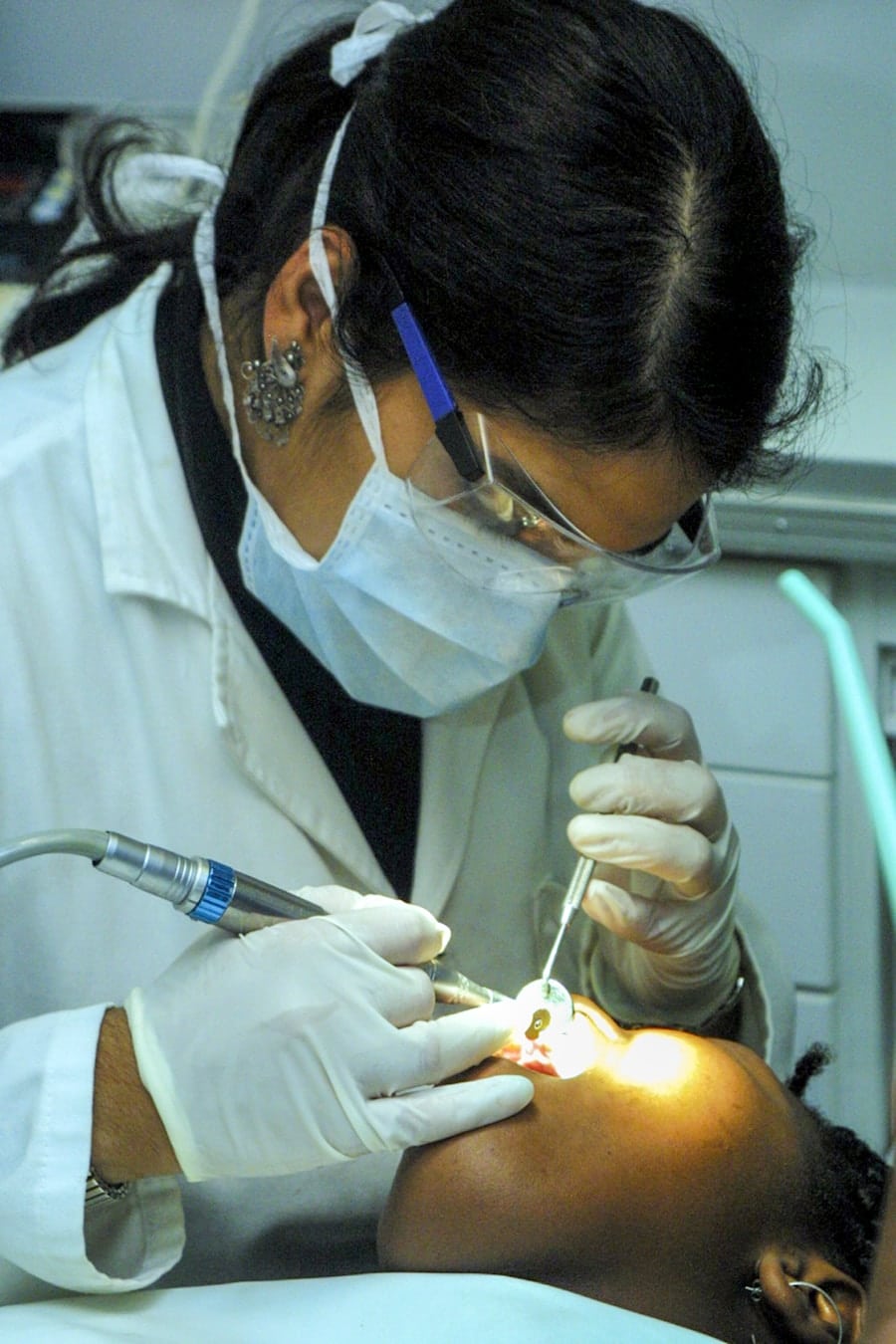
If your fear of the dentist feels overwhelming despite your best efforts, seeking professional help may be necessary. A mental health professional can provide support tailored specifically to your needs, helping you navigate your anxiety in a safe environment. They can work with you on various therapeutic techniques, including CBT or exposure therapy, which may be more effective than self-directed methods alone.
In addition to therapy, consider joining support groups where individuals share similar experiences. Hearing others’ stories can provide validation and encouragement as you work through your fears together. Professional help can be an invaluable resource in overcoming dental anxiety, allowing you to reclaim control over your oral health without the burden of fear.
Exploring Sedation Options
For some individuals, sedation dentistry may be an appropriate option for managing anxiety during dental procedures. This approach involves using medication to help you relax while receiving treatment. There are various types of sedation available, ranging from mild sedatives that allow you to remain awake but relaxed, to deeper sedation methods that may put you into a light sleep during the procedure.
Before opting for sedation, discuss this option thoroughly with your dentist. They will assess your medical history and specific needs to determine which type of sedation is best suited for you. Understanding how sedation works and what to expect can alleviate some of the apprehension associated with dental visits.
Knowing that there are options available can empower you to take charge of your dental health without succumbing to fear.
Celebrating Small Victories
As you work through your fear of the dentist, it’s essential to celebrate small victories along the way. Each step you take toward overcoming your anxiety deserves recognition, whether it’s making an appointment, attending a consultation, or successfully completing a procedure. Acknowledging these achievements can boost your confidence and motivate you to continue facing your fears.
Consider keeping a journal where you document each milestone in your journey toward overcoming dental anxiety. Reflecting on your progress can serve as a reminder of how far you’ve come and reinforce positive feelings about future appointments. By celebrating these small victories, you’ll cultivate a sense of accomplishment that empowers you to tackle even bigger challenges in your path toward better oral health.
In conclusion, overcoming fear of the dentist is a journey that requires patience and self-compassion. By understanding the root of your fear, finding supportive professionals, utilizing gradual exposure techniques, practicing relaxation exercises, exploring cognitive behavioral therapy, seeking professional help when needed, considering sedation options, and celebrating small victories along the way, you can transform your relationship with dental care into one that is more positive and manageable. Remember that you’re not alone in this journey; many have walked this path before you and emerged stronger on the other side.
If you are looking for a dentist in Virginia Beach, Virginia, you may want to check out this article on How to Choose the Best Dentist in Virginia Beach. This article provides tips on finding a dentist who can help you overcome your fear and anxiety about dental visits. By choosing a dentist who understands your concerns and provides a comfortable environment, you can take the first step towards conquering your fear of the dentist.
FAQs
What is dental anxiety?
Dental anxiety, also known as dental phobia, is a common fear of visiting the dentist. It can range from mild uneasiness to severe panic and can prevent individuals from seeking necessary dental care.
What are the common causes of dental anxiety?
Common causes of dental anxiety include fear of pain, fear of needles, fear of loss of control, embarrassment, and previous negative dental experiences.
How can I overcome my fear of the dentist?
There are several strategies to overcome fear of the dentist, including finding a supportive dentist, practicing relaxation techniques, seeking distraction during the appointment, and gradually exposing oneself to dental environments.
Are there any professional treatments for dental anxiety?
Yes, there are professional treatments for dental anxiety, such as cognitive-behavioral therapy, sedation dentistry, and hypnosis. These treatments can help individuals manage and overcome their fear of the dentist.
What are the consequences of avoiding dental visits due to fear?
Avoiding dental visits due to fear can lead to deteriorating oral health, increased risk of dental problems, and the need for more invasive and costly treatments in the future. It is important to address dental anxiety to maintain good oral health.


