

Maintaining good dental hygiene is crucial for your overall health and well-being. It goes beyond just having a bright smile; it plays a significant role in preventing various dental issues such as cavities, gum disease, and bad breath. When you prioritize your oral health, you are not only protecting your teeth but also your body.
Research has shown that poor dental hygiene can lead to serious health problems, including heart disease and diabetes. By taking care of your teeth and gums, you are investing in your long-term health. Moreover, good dental hygiene can boost your self-esteem and confidence.
When you feel good about your smile, you are more likely to engage socially and professionally. You may find yourself smiling more often, which can positively impact your mood and interactions with others. Establishing a solid dental care routine is essential for achieving and maintaining that radiant smile you desire.
By understanding the importance of dental hygiene, you can take proactive steps to ensure that your oral health remains a priority in your life.
Summary About The Post:
- Good dental hygiene is important for overall health and well-being
- Proper brushing techniques include using a soft-bristled brush and gentle circular motions
- Flossing should be done at least once a day to remove plaque and food particles between teeth
- Mouthwash can help reduce plaque and prevent gum disease, but should not replace brushing and flossing
- Regular dental check-ups are essential for early detection and prevention of dental issues
Brushing Techniques
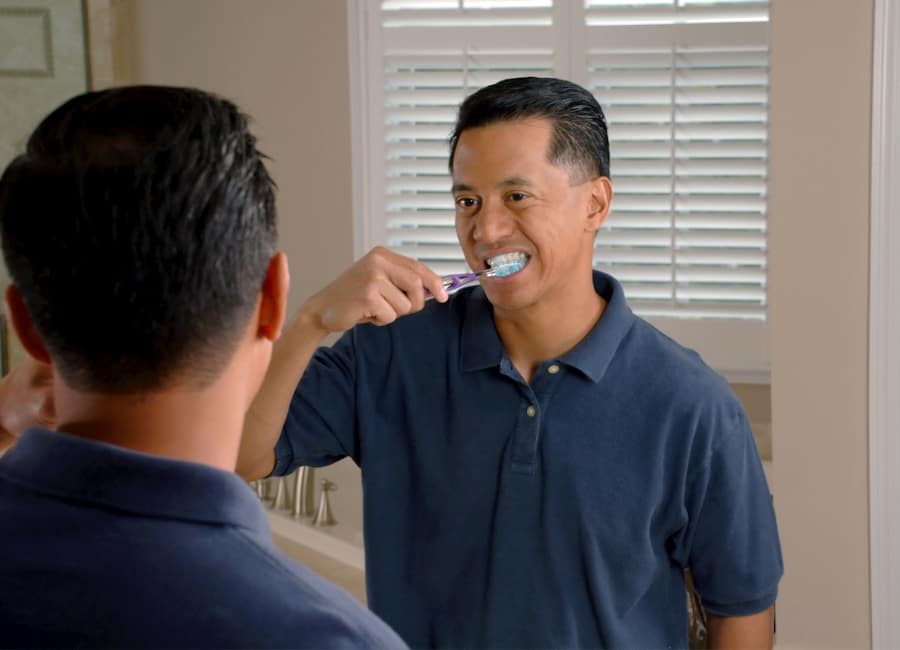
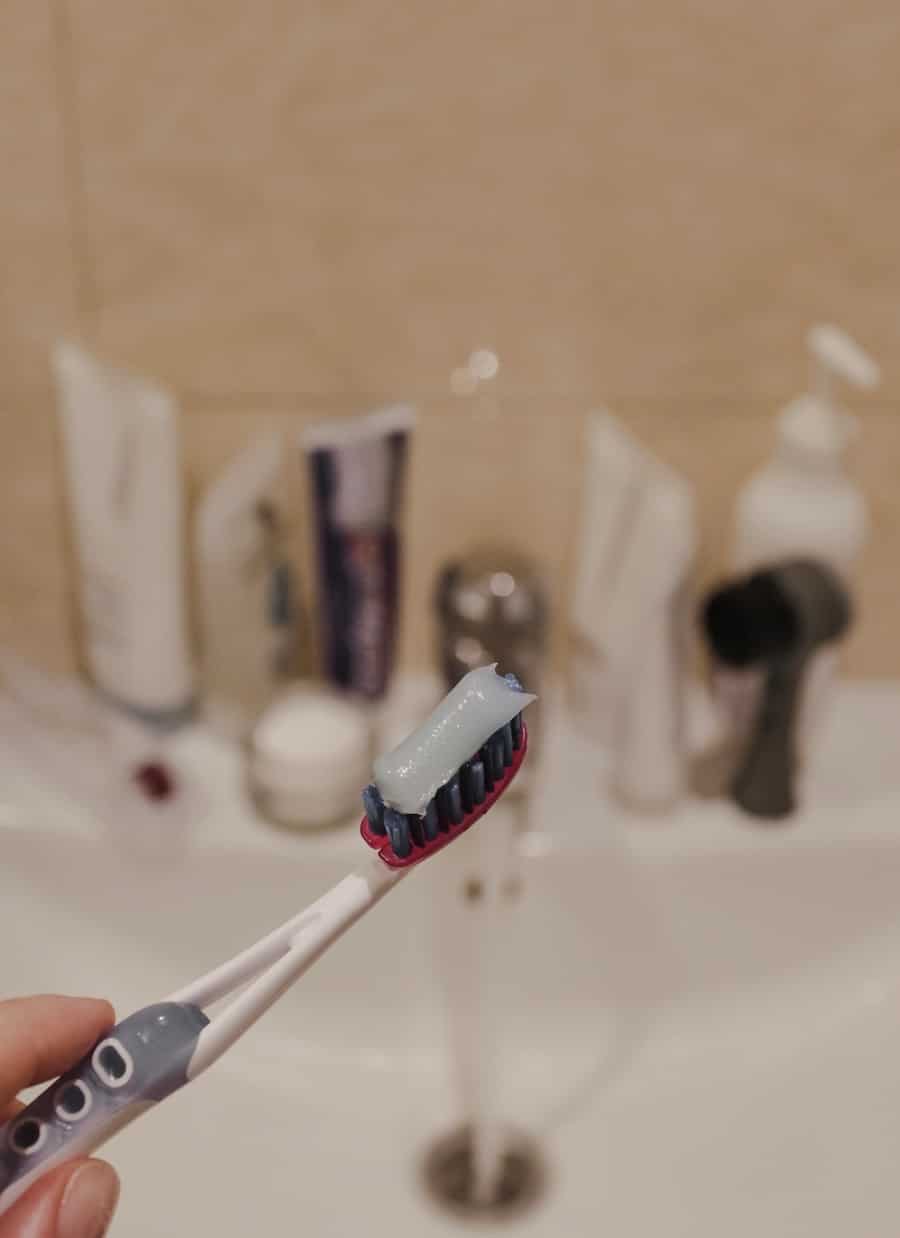
Brushing your teeth is one of the most fundamental aspects of dental hygiene, yet many people do not do it correctly. To maximize the effectiveness of brushing, you should use a soft-bristled toothbrush and fluoride toothpaste. Start by positioning the toothbrush at a 45-degree angle to your gums.
This angle allows the bristles to reach the plaque that accumulates along the gum line. Use gentle, circular motions to brush the outer surfaces of your teeth, ensuring that you cover every tooth thoroughly. It’s also essential to brush the inner surfaces of your teeth and the chewing surfaces.
For the inner surfaces, tilt the brush vertically and make several up-and-down strokes. Don’t forget to brush your tongue as well; it can harbor bacteria that contribute to bad breath. Aim to brush for at least two minutes, twice a day.
Setting a timer or using an electric toothbrush with a built-in timer can help you stay on track. By mastering these brushing techniques, you can significantly reduce your risk of dental problems.
Flossing Techniques
Flossing is an integral part of maintaining good dental hygiene, yet it is often overlooked or done incorrectly. Many people underestimate its importance, believing that brushing alone is sufficient for oral care. However, brushing cannot reach the tight spaces between your teeth where plaque and food particles can accumulate.
To effectively floss, start with about 18 inches of dental floss, wrapping most of it around your middle fingers, leaving a few inches to work with. Gently slide the floss between your teeth using a sawing motion, being careful not to snap it against your gums. Once the floss is in place, curve it around each tooth in a C-shape and slide it up and down against the tooth surface.
This technique helps remove plaque and debris effectively. Remember to use a clean section of floss for each tooth to avoid transferring bacteria. Flossing daily can significantly improve your gum health and reduce the risk of cavities between teeth.
Mouthwash and Rinse
Incorporating mouthwash into your dental care routine can provide additional benefits beyond brushing and flossing. Mouthwash helps to kill bacteria that cause bad breath and can also reach areas that brushing may miss. When selecting a mouthwash, look for one that contains fluoride for added protection against cavities.
Alcohol-free options are also available if you prefer a gentler formula that won’t dry out your mouth. To use mouthwash effectively, swish it around in your mouth for about 30 seconds before spitting it out. Avoid eating or drinking for at least 30 minutes afterward to allow the fluoride to work effectively on your teeth.
Using mouthwash as part of your daily routine can enhance your overall oral hygiene and leave you with a fresh feeling throughout the day. However, remember that mouthwash should complement brushing and flossing rather than replace them.
Regular Dental Check-ups
Scheduling regular dental check-ups is vital for maintaining optimal oral health. Even if you practice excellent dental hygiene at home, professional cleanings and examinations are necessary to catch potential issues early on. Dentists have the tools and expertise to identify problems that may not be visible to you, such as cavities or gum disease in their early stages.
By visiting your dentist every six months, you can ensure that any concerns are addressed promptly. During these check-ups, your dentist will perform a thorough cleaning to remove tartar buildup that regular brushing and flossing cannot eliminate. They will also assess the condition of your teeth and gums, providing personalized recommendations for improving your oral care routine.
Regular visits not only help maintain your dental health but also foster a relationship with your dentist, making it easier to discuss any concerns or questions you may have about your oral care.
Diet and Dental Health
Your diet plays a significant role in your dental health, influencing everything from cavity formation to gum disease. Consuming a balanced diet rich in vitamins and minerals is essential for strong teeth and healthy gums. Foods high in calcium, such as dairy products, leafy greens, and almonds, help strengthen tooth enamel.
Additionally, vitamin C found in fruits like oranges and strawberries supports gum health by promoting collagen production. On the other hand, limiting sugary snacks and beverages is crucial for preventing cavities. Sugar feeds harmful bacteria in your mouth, leading to acid production that erodes tooth enamel over time.
Instead of reaching for sugary treats, opt for healthier snacks like nuts, cheese, or crunchy vegetables that can help clean your teeth as you eat. Staying hydrated by drinking plenty of water also aids in washing away food particles and bacteria, contributing to better oral health.
Avoiding Harmful Habits
Certain habits can significantly impact your dental health negatively, so it’s essential to be aware of them and take steps to avoid them. Smoking is one of the most detrimental habits for oral health; it not only stains your teeth but also increases the risk of gum disease and oral cancer. If you smoke or use tobacco products, consider seeking support to quit for the sake of both your dental health and overall well-being.
Another harmful habit is chewing on hard objects like ice or pens, which can lead to chipped or cracked teeth. Additionally, grinding your teeth at night—known as bruxism—can wear down enamel and cause jaw pain. If you suspect you grind your teeth while sleeping, consult with your dentist about possible solutions such as a nightguard.
By being mindful of these harmful habits and making conscious choices, you can protect your smile for years to come.
Additional Dental Care Tips
In addition to brushing, flossing, and regular check-ups, there are several other tips you can incorporate into your dental care routine for optimal results. One effective strategy is to use an electric toothbrush if you struggle with manual brushing techniques; they often provide superior cleaning due to their consistent motion and built-in timers. Furthermore, consider using interdental brushes or soft picks for cleaning between teeth if traditional flossing proves challenging.
Another helpful tip is to stay informed about new dental products and techniques that may enhance your oral care routine. For instance, some people benefit from using remineralizing toothpaste that helps restore minerals lost from enamel erosion. Additionally, consider keeping a travel toothbrush in your bag or car so you can maintain good oral hygiene even when you’re on the go.
By staying proactive about your dental care and exploring new options, you can ensure that your smile remains healthy and vibrant throughout your life. In conclusion, prioritizing dental hygiene is essential for maintaining not only a beautiful smile but also overall health. By mastering proper brushing and flossing techniques, incorporating mouthwash into your routine, scheduling regular check-ups, being mindful of your diet, avoiding harmful habits, and following additional care tips, you can significantly improve your oral health outcomes.
Taking these steps will empower you to enjoy a lifetime of healthy teeth and gums while boosting your confidence in every smile you share with the world.
If you’re looking to improve your dental hygiene routine, you may want to consider visiting a dentist in Lakewood, California. In a related article from Dentist in Near Me, they discuss the importance of regular dental check-ups and cleanings in maintaining good oral health. By scheduling routine visits with a dentist in Lakewood, you can receive personalized advice on how to enhance your dental hygiene routine and prevent potential dental issues.
FAQs
What are the key components of a good dental hygiene routine?
A good dental hygiene routine includes brushing your teeth at least twice a day, flossing daily, using mouthwash, and visiting your dentist for regular check-ups and cleanings.
How often should I brush my teeth?
It is recommended to brush your teeth at least twice a day, once in the morning and once before bed.
Why is flossing important for dental hygiene?
Flossing is important for removing plaque and food particles from between the teeth and along the gumline, where a toothbrush cannot reach.
What type of toothbrush and toothpaste should I use?
It is recommended to use a soft-bristled toothbrush and fluoride toothpaste to effectively clean your teeth and prevent tooth decay.
How can I improve my dental hygiene routine?
You can improve your dental hygiene routine by incorporating proper brushing and flossing techniques, using mouthwash, and scheduling regular dental check-ups and cleanings.
What are the consequences of poor dental hygiene?
Poor dental hygiene can lead to tooth decay, gum disease, bad breath, and other oral health issues. It can also contribute to overall health problems such as heart disease and diabetes.


