
Tooth decay, also known as dental caries, is a prevalent condition that affects individuals of all ages. It occurs when the hard surface of your teeth is damaged due to the action of acids produced by bacteria in your mouth. This process can lead to cavities, which are small holes in your teeth that can cause pain and discomfort if left untreated.
Understanding tooth decay is crucial for maintaining your oral health and preventing more severe dental issues down the line. As you navigate through life, the importance of being aware of tooth decay cannot be overstated. It is not merely a cosmetic concern; untreated decay can lead to significant health problems, including infections and tooth loss.
By recognizing the signs and symptoms of tooth decay early on, you can take proactive steps to protect your teeth and gums. This article will delve into the various factors contributing to tooth decay, its effects on your oral health, and effective strategies for prevention and treatment.
Key Takeaways
- Tooth decay is a common dental problem caused by bacteria and can lead to serious oral health issues if left untreated.
- Bacteria play a key role in tooth decay by producing acids that erode tooth enamel and create cavities.
- Good oral hygiene, including regular brushing and flossing, is essential for preventing tooth decay and maintaining oral health.
- Diet plays a significant role in tooth decay, with sugary and acidic foods and drinks contributing to the erosion of tooth enamel.
- Genetics can also influence an individual’s susceptibility to tooth decay, making some people more prone to developing cavities.
The Role of Bacteria in Tooth Decay
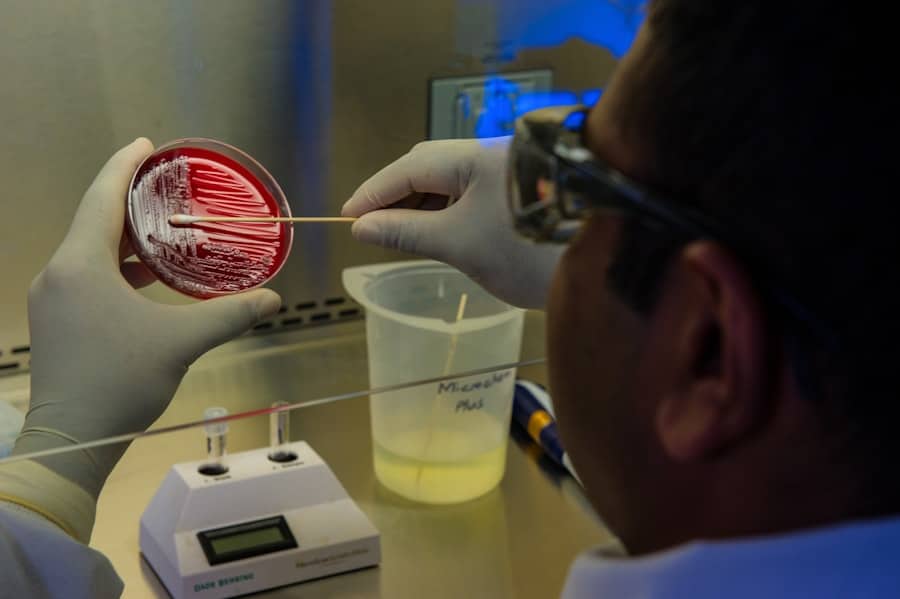
Bacteria play a central role in the development of tooth decay. Your mouth is home to a diverse community of bacteria, some of which are beneficial while others can be harmful. When you consume sugary or carbohydrate-rich foods, these harmful bacteria feed on the sugars and produce acids as a byproduct.
These acids can erode the enamel, the protective outer layer of your teeth, leading to decay over time. The process begins with plaque formation, a sticky film that accumulates on your teeth. If you neglect to brush and floss regularly, plaque can harden into tartar, making it even more challenging to remove.
The longer plaque remains on your teeth, the more damage it can cause. This highlights the importance of understanding how bacteria contribute to tooth decay and why maintaining a balanced oral microbiome is essential for your dental health.
The Importance of Oral Hygiene in Preventing Tooth Decay
Maintaining good oral hygiene is one of the most effective ways to prevent tooth decay. Brushing your teeth at least twice a day with fluoride toothpaste helps remove plaque and food particles that can lead to decay. Flossing daily is equally important, as it allows you to clean between your teeth where your toothbrush may not reach.
By establishing a consistent oral hygiene routine, you significantly reduce the risk of developing cavities. In addition to brushing and flossing, regular dental check-ups are vital for preventing tooth decay. During these visits, your dentist can identify early signs of decay and provide professional cleanings to remove tartar buildup.
They may also apply fluoride treatments or sealants to further protect your teeth from decay. By prioritizing oral hygiene and regular dental visits, you empower yourself to maintain a healthy smile for years to come.
The Impact of Diet on Tooth Decay
Your diet plays a crucial role in the health of your teeth and can significantly influence the development of tooth decay. Foods high in sugar and carbohydrates provide an ideal environment for harmful bacteria to thrive. When you consume these types of foods frequently, you increase the likelihood of acid production in your mouth, which can lead to enamel erosion and cavities.
Conversely, a balanced diet rich in vitamins and minerals can help strengthen your teeth and support overall oral health. Foods high in calcium, such as dairy products, leafy greens, and almonds, contribute to stronger enamel. Additionally, crunchy fruits and vegetables like apples and carrots can help stimulate saliva production, which neutralizes acids in your mouth and washes away food particles.
By being mindful of your dietary choices, you can take significant steps toward preventing tooth decay.
The Role of Genetics in Tooth Decay
While diet and oral hygiene are critical factors in tooth decay, genetics also play a significant role in determining your susceptibility to dental issues. Some individuals may inherit traits that affect the strength of their enamel or the composition of their saliva, making them more prone to cavities. For instance, if you have a family history of dental problems, you may need to be more vigilant about your oral care routine.
Understanding the genetic factors that influence your dental health can empower you to take proactive measures. If you know that you are at a higher risk for tooth decay due to genetic predisposition, you might consider visiting your dentist more frequently for check-ups or seeking additional preventive treatments like fluoride varnishes or sealants. By acknowledging the role genetics play in your oral health, you can tailor your approach to better protect your teeth.
The Effects of Tooth Decay on Oral Health

Tooth decay can have far-reaching effects on your overall oral health if left untreated. Initially, it may cause minor discomfort or sensitivity; however, as decay progresses, it can lead to more severe pain and complications such as infections or abscesses. These conditions not only affect your quality of life but can also result in costly dental procedures down the line.
Moreover, untreated tooth decay can impact your ability to eat and speak comfortably. Missing or damaged teeth can alter your bite and lead to further dental issues, including misalignment or jaw pain. Additionally, there is a growing body of research suggesting that poor oral health may be linked to systemic health issues such as heart disease and diabetes.
By addressing tooth decay promptly and effectively, you safeguard not only your smile but also your overall well-being.
Common Treatments for Tooth Decay
When it comes to treating tooth decay, several options are available depending on the severity of the condition. For early-stage decay, fluoride treatments may be sufficient to remineralize the enamel and halt further deterioration. Your dentist may apply a fluoride varnish or recommend fluoride toothpaste for at-home use.
If cavities have formed, restorative treatments such as fillings are typically necessary. During this procedure, your dentist will remove the decayed portion of the tooth and fill it with a material such as composite resin or amalgam. In more advanced cases where the decay has reached the pulp of the tooth, root canal therapy may be required to save the tooth from extraction.
Understanding these treatment options allows you to make informed decisions about your dental care.
Tips for Preventing Tooth Decay
Preventing tooth decay requires a multifaceted approach that combines good oral hygiene practices with healthy lifestyle choices. Start by establishing a consistent routine that includes brushing twice daily with fluoride toothpaste and flossing at least once a day. Additionally, consider using an antibacterial mouthwash to help reduce plaque buildup.
Be mindful of your diet by limiting sugary snacks and beverages while incorporating more fruits, vegetables, whole grains, and dairy products into your meals. Staying hydrated is also essential; drinking water throughout the day helps wash away food particles and neutralizes acids in your mouth. Regular dental check-ups are crucial for early detection and prevention of tooth decay.
Your dentist can provide personalized recommendations based on your unique needs and risk factors. By taking these proactive steps, you can significantly reduce your chances of developing tooth decay and maintain a healthy smile for years to come. In conclusion, understanding tooth decay is essential for anyone looking to maintain optimal oral health.
By recognizing the roles that bacteria, diet, genetics, and oral hygiene play in this process, you can take informed steps toward prevention and treatment. Remember that maintaining good oral health is an ongoing commitment that pays off in both comfort and confidence as you navigate through life with a healthy smile.
Tooth decay is caused by a variety of factors, including poor oral hygiene, sugary diets, and bacteria in the mouth. According to a recent article on dentistinnear.me, regular dental check-ups and cleanings are essential in preventing tooth decay. The article emphasizes the importance of maintaining good oral health habits and seeking professional dental care to avoid the development of cavities and other dental issues.
FAQs
What causes tooth decay?
Tooth decay is primarily caused by the presence of bacteria in the mouth. When these bacteria come into contact with sugars and carbohydrates from food, they produce acids that can erode the enamel of the teeth, leading to decay.
What are the risk factors for tooth decay?
Several factors can increase the risk of developing tooth decay, including poor oral hygiene, a diet high in sugars and carbohydrates, dry mouth, and certain medical conditions that reduce saliva production.
How can tooth decay be prevented?
Tooth decay can be prevented by practicing good oral hygiene, including brushing and flossing regularly, limiting sugary and starchy foods, and visiting the dentist for regular check-ups and cleanings.
What are the symptoms of tooth decay?
The symptoms of tooth decay can include toothache, sensitivity to hot or cold foods and drinks, visible holes or pits in the teeth, and staining on the surface of the teeth.
How is tooth decay treated?
Treatment for tooth decay typically involves removing the decayed portion of the tooth and filling the cavity with a dental filling. In more severe cases, a root canal or tooth extraction may be necessary.