Tooth decay, also known as dental caries, is a prevalent condition that affects individuals of all ages. It is a process that leads to the destruction of the tooth structure, resulting in cavities and, if left untreated, can lead to more severe dental issues. You may not realize it, but tooth decay is one of the most common chronic diseases worldwide, affecting millions of people each year.
Understanding the underlying causes and mechanisms of tooth decay is essential for maintaining good oral health and preventing future dental problems. The journey toward tooth decay begins with the consumption of sugars and carbohydrates, which are often found in many of the foods you enjoy. When these substances linger on your teeth, they create an environment conducive to the growth of harmful microorganisms.
As you navigate your daily life, it’s crucial to be aware of how your dietary choices and oral hygiene practices can influence your dental health. By gaining insight into the factors that contribute to tooth decay, you can take proactive steps to protect your smile.
Key Takeaways
- Tooth decay is a common dental issue caused by the interaction of microorganisms and various factors in the mouth.
- Microorganisms, such as bacteria and fungi, play a significant role in the development of tooth decay by producing acids that erode tooth enamel.
- The process of tooth decay involves the demineralization of tooth enamel, leading to the formation of cavities and potential tooth loss.
- Different types of microorganisms, including Streptococcus mutans and Lactobacillus, are commonly involved in the development of tooth decay.
- Factors contributing to microorganism growth in the mouth include poor oral hygiene, high sugar intake, and acidic foods, emphasizing the importance of preventive measures and proper dental care.
The Role of Microorganisms in Tooth Decay
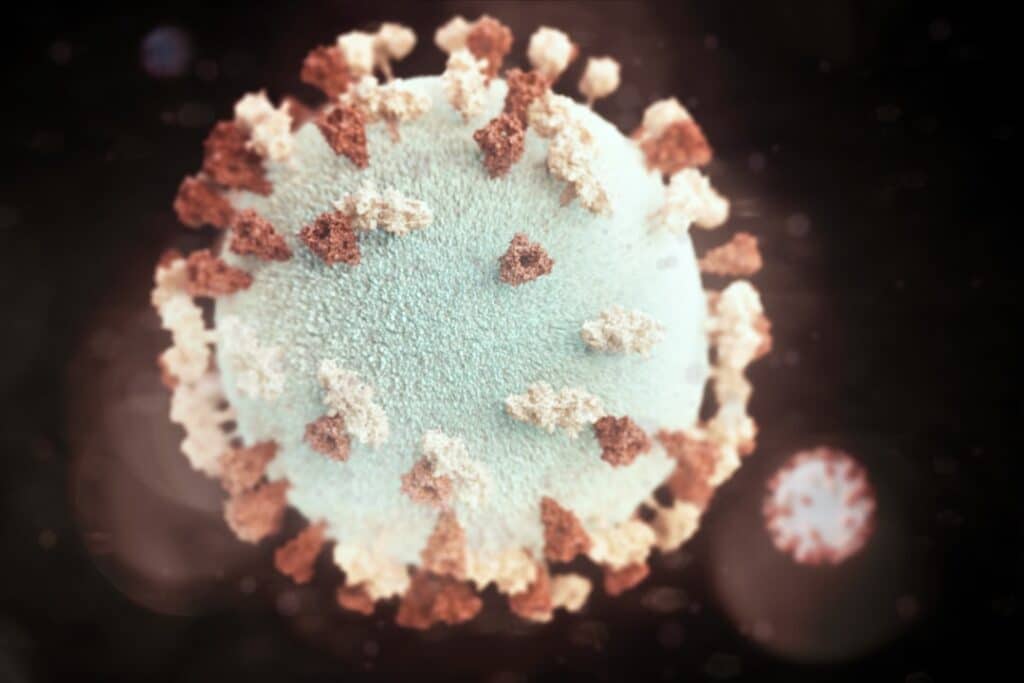
Microorganisms play a pivotal role in the development of tooth decay. Your mouth is home to a diverse community of bacteria, some of which are beneficial while others can be detrimental to your dental health. The harmful bacteria thrive on sugars and carbohydrates, producing acids as a byproduct of their metabolism.
These acids can erode the enamel, the protective outer layer of your teeth, leading to cavities and other dental issues. Understanding this relationship between microorganisms and tooth decay is vital for anyone looking to maintain a healthy mouth. When you consume sugary foods or beverages, the bacteria in your mouth feast on these carbohydrates, leading to an increase in acid production.
This acid can begin to demineralize the enamel, creating tiny holes that can develop into larger cavities over time. The balance between beneficial and harmful bacteria is crucial; when harmful bacteria outnumber the good ones, the risk of tooth decay significantly increases. Therefore, recognizing the role of microorganisms in this process can empower you to make informed choices about your oral health.
The Process of Tooth Decay

The process of tooth decay is gradual and often goes unnoticed until significant damage has occurred. Initially, when you consume sugary or acidic foods, the bacteria in your mouth produce acids that attack the enamel. This demineralization process can lead to white spots on your teeth, indicating early signs of decay.
If you do not take action at this stage, the enamel continues to weaken, and cavities can form. As the decay progresses, you may experience sensitivity or pain in the affected tooth. This discomfort often signals that the decay has penetrated deeper into the tooth structure, potentially reaching the dentin or even the pulp.
At this point, professional dental intervention is typically required to restore the tooth’s integrity. Understanding this progression can help you recognize the importance of early detection and treatment in preventing more severe dental issues.
Types of Microorganisms Involved in Tooth Decay
Several types of microorganisms contribute to tooth decay, with Streptococcus mutans being one of the most notorious culprits. This bacterium is particularly adept at adhering to tooth surfaces and forming biofilms known as dental plaque. When you neglect proper oral hygiene, plaque can accumulate and create an environment where harmful bacteria thrive.
Other bacteria, such as Lactobacillus species, also play a role in the decay process by producing lactic acid from fermentable carbohydrates. In addition to bacteria, fungi such as Candida species can also be present in your mouth and may contribute to oral health issues when conditions are favorable for their growth. The interplay between these microorganisms creates a complex ecosystem that can either promote or hinder your dental health.
By understanding which microorganisms are involved in tooth decay, you can better appreciate the importance of maintaining a balanced oral microbiome.
Factors Contributing to Microorganism Growth in the Mouth
Several factors contribute to the growth of harmful microorganisms in your mouth. One significant factor is diet; a diet high in sugars and refined carbohydrates provides an ideal environment for bacteria to flourish. When you frequently consume sugary snacks or beverages, you inadvertently create a breeding ground for these harmful microorganisms.
Additionally, poor oral hygiene practices can exacerbate this issue by allowing plaque to accumulate on your teeth. Another contributing factor is saliva production. Saliva plays a crucial role in neutralizing acids produced by bacteria and washing away food particles.
If you suffer from dry mouth or reduced saliva flow due to certain medications or medical conditions, you may be at a higher risk for tooth decay. Understanding these factors can help you make lifestyle choices that promote a healthier oral environment and reduce your risk of developing cavities.
Prevention and Treatment of Tooth Decay Caused by Microorganisms
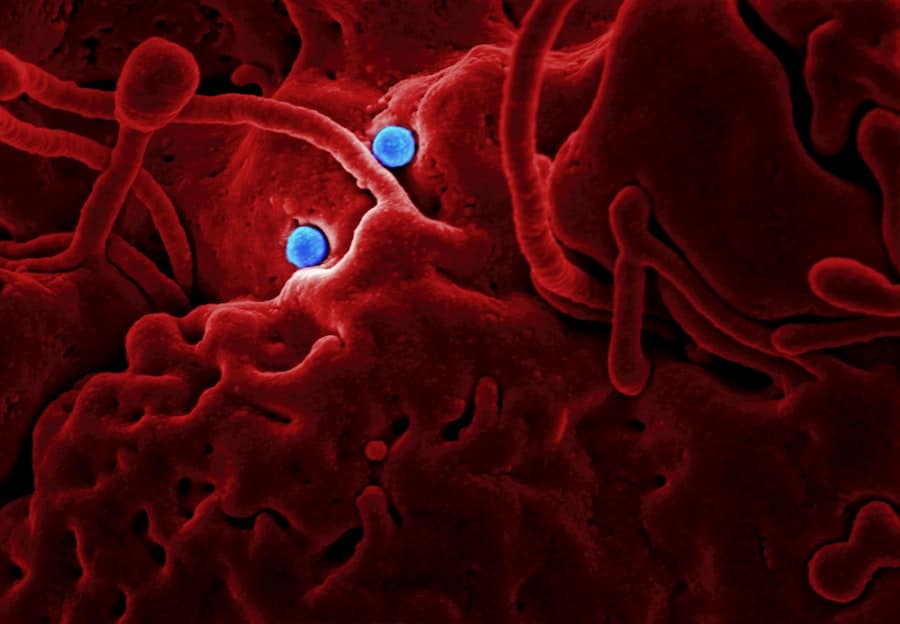
Preventing tooth decay caused by microorganisms involves a combination of good oral hygiene practices and regular dental check-ups. Brushing your teeth at least twice a day with fluoride toothpaste helps remove plaque and strengthen enamel. Flossing daily is equally important as it removes food particles and plaque from between your teeth where your toothbrush may not reach.
Additionally, using an antibacterial mouthwash can help reduce harmful bacteria in your mouth. If you do develop cavities, treatment options vary depending on the severity of the decay. For early-stage cavities, your dentist may recommend fluoride treatments or dental sealants to protect vulnerable areas.
More advanced decay may require fillings or crowns to restore the tooth’s structure and function. In severe cases where infection has reached the pulp, root canal therapy may be necessary. Being proactive about your dental health can help you avoid these more invasive treatments.
The Importance of Oral Hygiene in Preventing Tooth Decay
Maintaining good oral hygiene is paramount in preventing tooth decay and ensuring overall dental health. You should establish a consistent routine that includes brushing twice daily and flossing regularly. This routine helps remove plaque buildup and food particles that can lead to decay if left unchecked.
Additionally, regular visits to your dentist for cleanings and check-ups are essential for early detection and intervention. Your diet also plays a significant role in oral hygiene. Limiting sugary snacks and beverages while incorporating more fruits, vegetables, and whole grains can help create an environment less conducive to harmful bacteria growth.
Drinking plenty of water throughout the day aids saliva production, which is vital for neutralizing acids and washing away food particles. By prioritizing oral hygiene and making mindful dietary choices, you can significantly reduce your risk of developing tooth decay.
Conclusion and Final Thoughts
Tooth decay is a common yet preventable condition that affects many individuals worldwide. By understanding the role of microorganisms in this process and recognizing the factors that contribute to their growth, you can take proactive steps toward maintaining good oral health. Implementing effective oral hygiene practices, making informed dietary choices, and seeking regular dental care are all essential components in preventing tooth decay.
Ultimately, your commitment to oral hygiene will pay off in the long run by preserving your smile and preventing more serious dental issues down the line. Remember that small changes in your daily routine can lead to significant improvements in your overall dental health. By staying informed and proactive about your oral care, you can enjoy a lifetime of healthy teeth and gums.
To learn more about how tooth decay is caused by microorganisms, you can read an article on the Dentist In Near Me website titled “The Role of Bacteria in Tooth Decay.” This article discusses how certain types of bacteria in the mouth can produce acids that erode tooth enamel, leading to decay. Understanding the relationship between microorganisms and tooth decay is crucial for maintaining good oral health. Check out the article here.
FAQs
What causes tooth decay?
Tooth decay is primarily caused by the presence of certain microorganisms, particularly bacteria, in the mouth. These bacteria feed on sugars and produce acids that can erode the enamel of the teeth, leading to decay.
How do microorganisms contribute to tooth decay?
Microorganisms, such as Streptococcus mutans and Lactobacillus, are able to metabolize sugars from food and produce acids as byproducts. These acids can weaken the enamel and create an environment conducive to tooth decay.
What role do sugars play in tooth decay caused by microorganisms?
Sugars from food and drinks can fuel the growth of microorganisms in the mouth, leading to the production of acids that can attack the teeth. Regular consumption of sugary foods and drinks can increase the risk of tooth decay.
How can tooth decay caused by microorganisms be prevented?
To prevent tooth decay caused by microorganisms, it is important to practice good oral hygiene, including regular brushing and flossing, as well as limiting the consumption of sugary foods and drinks. Regular dental check-ups and cleanings can also help prevent and detect tooth decay early.