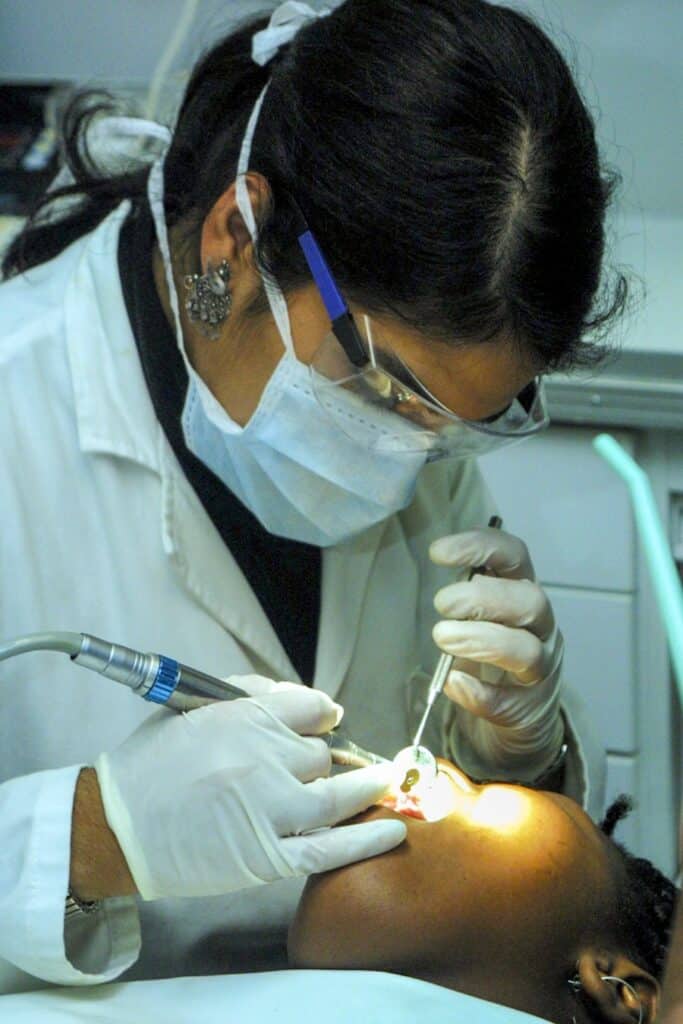
Navigating the world of Medicare can be a daunting task, especially when it comes to understanding what is covered and what is not. Medicare, the federal health insurance program primarily for individuals aged 65 and older, offers a range of benefits, but dental coverage is often a gray area. While Medicare does provide some coverage for medically necessary dental procedures, it generally does not extend to cosmetic dental work.
This distinction is crucial for you to grasp, as it can significantly impact your healthcare decisions and financial planning. Cosmetic dental procedures, such as teeth whitening, veneers, and orthodontics, are designed to enhance the appearance of your smile rather than address any underlying health issues. As a result, these procedures are typically not deemed medically necessary and are therefore excluded from Medicare coverage.
Understanding this difference is essential for you if you are considering any dental work and want to avoid unexpected out-of-pocket expenses. By familiarizing yourself with the nuances of Medicare’s dental coverage, you can make informed choices about your oral health and financial commitments.
Key Takeaways
- Medicare does not typically cover cosmetic dental procedures
- Medical necessity is the key criteria for determining coverage of dental procedures
- Detailed documentation and evidence of medical necessity are required for approval
- There is an appeal process available for denied claims
- Medically necessary dental procedures may be covered by Medicare, but limitations and exclusions apply for cosmetic procedures
Criteria for Determining Medical Necessity
Addressing Underlying Health Issues
The primary consideration is whether the procedure addresses a specific medical condition or alleviates pain or dysfunction. For example, if you have a severely decayed or infected tooth, a root canal may be deemed medically necessary because it treats an underlying health issue.
Aesthetic Procedures vs. Medical Necessity
On the other hand, if you seek a procedure solely for aesthetic reasons, such as getting braces to straighten your teeth, it is unlikely to meet the criteria for medical necessity.
Documentation and Healthcare Provider Guidance
Another crucial aspect to consider is the documentation provided by your healthcare provider. Medicare requires that any claims for dental procedures be supported by thorough documentation that outlines the medical necessity of the treatment. This means that your dentist or oral surgeon must provide detailed notes explaining why the procedure is essential for your health. If you are unsure whether your dental issue qualifies as medically necessary, consulting with your healthcare provider can help clarify your situation and guide you through the process.
Documentation and Evidence Required for Approval

To successfully obtain approval for a medically necessary dental procedure under Medicare, you must ensure that your healthcare provider submits comprehensive documentation. This includes not only a detailed description of the procedure but also any relevant medical history that supports the need for treatment. For example, if you have a history of gum disease that has led to tooth loss, your dentist should include this information in their documentation to strengthen your case.
In addition to medical history, diagnostic tests and imaging may also be required to substantiate the necessity of the procedure. X-rays, CT scans, or other imaging studies can provide visual evidence of the condition being treated and help justify the need for intervention. It is essential to work closely with your healthcare provider to gather all necessary documentation before submitting a claim to Medicare.
This proactive approach can significantly increase your chances of receiving approval for the treatment you need.
Appeal Process for Denied Claims
If your claim for a medically necessary dental procedure is denied by Medicare, it is important not to lose hope. There is an established appeal process that allows you to contest the decision and potentially secure coverage for your treatment. The first step in this process is to carefully review the denial letter you receive from Medicare.
This letter will outline the reasons for the denial and provide guidance on how to proceed with an appeal. Once you understand the basis for the denial, you can gather additional evidence or documentation that addresses the concerns raised by Medicare. This may involve obtaining further statements from your healthcare provider or submitting additional medical records that support your case.
After compiling this information, you can submit an appeal request along with any supporting documents. It is crucial to adhere to the deadlines set forth by Medicare during this process, as failing to do so could jeopardize your chances of a successful appeal.
Coverage for Medically Necessary Dental Procedures
Medicare does offer coverage for certain medically necessary dental procedures, but it is essential to understand the specific circumstances under which this coverage applies. Generally, Medicare Part A may cover dental services that are performed in conjunction with a hospital stay or as part of treatment for a medical condition. For example, if you require surgery for jaw-related issues or if dental work is needed before undergoing another medical procedure, Medicare may provide coverage.
However, it is important to note that even when a dental procedure is deemed medically necessary, there may still be limitations on coverage. For instance, while Medicare may cover certain surgical procedures performed by an oral surgeon, routine dental care such as cleanings or fillings typically falls outside of its purview. Therefore, it is crucial for you to have a clear understanding of what specific procedures are covered under Medicare and how they relate to your overall health needs.
Limitations and Exclusions for Cosmetic Dental Procedures

As previously mentioned, cosmetic dental procedures are generally excluded from Medicare coverage due to their nature as elective treatments aimed at improving appearance rather than addressing medical issues. This exclusion encompasses a wide range of services, including teeth whitening, bonding, veneers, and orthodontic treatments like braces. If you are considering any of these procedures solely for aesthetic reasons, it is essential to be prepared for the financial implications since you will likely be responsible for covering the costs out of pocket.
Additionally, some procedures that may have both cosmetic and functional benefits can still face scrutiny when it comes to coverage. For example, while dental implants may improve your smile’s appearance and restore functionality after tooth loss, Medicare may only cover them if they are deemed medically necessary due to specific health conditions. Therefore, understanding the limitations and exclusions surrounding cosmetic dental procedures can help you make informed decisions about your oral health care options.
Importance of Consulting with Healthcare Providers
Consulting with healthcare providers is vital when navigating the complexities of Medicare coverage for dental procedures. Your dentist or oral surgeon can provide valuable insights into which treatments may be considered medically necessary and how best to document your case for approval. They can also help you understand the potential costs associated with various procedures and guide you in making informed decisions about your oral health.
Moreover, open communication with your healthcare provider can help ensure that all necessary documentation is submitted accurately and promptly. By working together, you can create a comprehensive plan that addresses both your aesthetic desires and any underlying health concerns. This collaborative approach not only increases your chances of obtaining coverage but also ensures that you receive the best possible care tailored to your individual needs.
Conclusion and Additional Resources
In conclusion, understanding Medicare’s coverage policies regarding dental procedures is essential for making informed decisions about your oral health care. While Medicare does provide coverage for certain medically necessary dental treatments, it generally excludes cosmetic procedures aimed solely at enhancing appearance. By familiarizing yourself with the criteria for medical necessity, documentation requirements, and appeal processes for denied claims, you can navigate this complex landscape more effectively.
As you consider your options for dental care, remember the importance of consulting with healthcare providers who can guide you through the process and help ensure that you receive appropriate treatment. Additionally, various resources are available online and through local organizations that can provide further information about Medicare coverage and dental care options. By taking proactive steps and staying informed, you can make choices that align with both your health needs and financial situation.
If you are considering a cosmetic dental procedure and want to know more about how Medicare determines its necessity, you may also be interested in reading about the top dental clinics in Berkeley, California. These clinics offer a range of services, including cosmetic dentistry, and can provide valuable information on the procedures covered by Medicare. To find out more about the dental services available in Berkeley, visit this link.
FAQs
What is Medicare?
Medicare is a federal health insurance program for people who are 65 or older, certain younger people with disabilities, and people with End-Stage Renal Disease (permanent kidney failure requiring dialysis or a transplant).
Does Medicare cover cosmetic dental procedures?
Medicare does not cover most routine dental care or procedures, including cosmetic dental procedures such as teeth whitening, veneers, or cosmetic orthodontic treatments.
How does Medicare determine the necessity of a dental procedure?
Medicare only covers dental procedures that are deemed medically necessary. This means that the procedure must be required for the health of the patient, rather than for cosmetic reasons.
What types of dental procedures does Medicare cover?
Medicare may cover certain dental procedures if they are necessary for the treatment of a medical condition, such as oral surgery related to a medical condition, or dental services that are an integral part of a covered procedure, such as jaw reconstruction following an accident.
How can I find out if a dental procedure is covered by Medicare?
It is important to check with Medicare or your dental provider to determine if a specific dental procedure is covered. Medicare Advantage plans may offer additional dental coverage, so it is important to review the details of your specific plan.