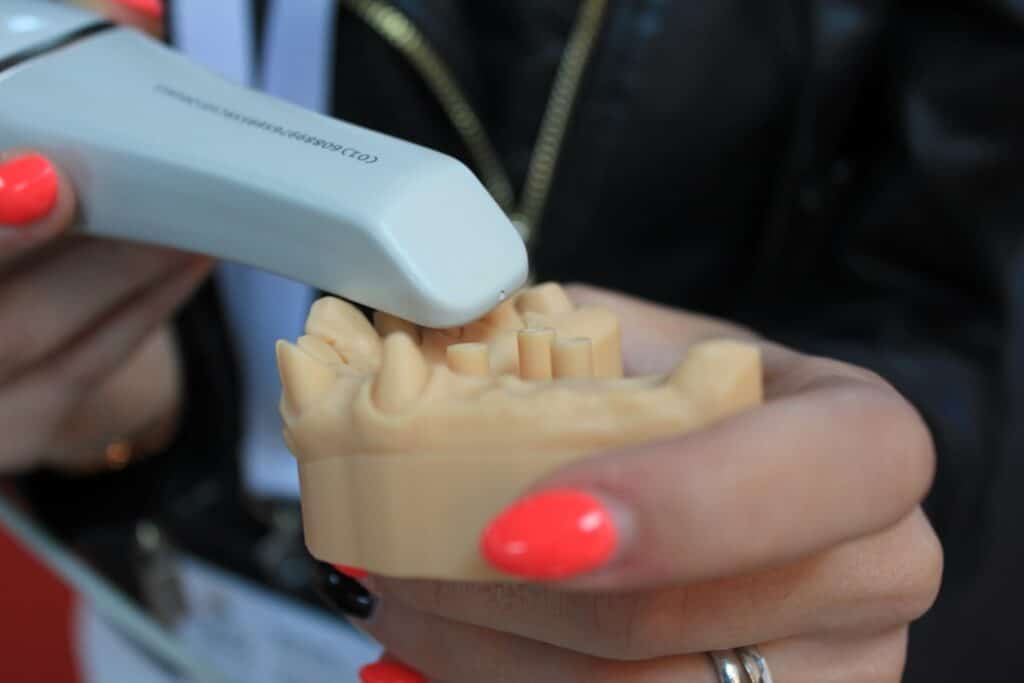
When you think about dental health, the focus often lies on cavities and tooth decay. However, gum infections, particularly those that occur under dental bridges, can be equally concerning. A dental bridge is a common restorative procedure used to replace missing teeth, and while it can significantly improve your smile and functionality, it can also create an environment where bacteria thrive.
Understanding the nature of gum infections under bridges is crucial for maintaining oral health and preventing further complications. Gum infections under a bridge can arise when bacteria infiltrate the gum tissue surrounding the bridge. This can lead to inflammation, pain, and even the loss of supporting bone structure.
The infection may not always be immediately apparent, making it essential for you to be vigilant about your oral hygiene and regular dental check-ups. If left untreated, these infections can escalate, leading to more severe health issues that extend beyond your mouth. Recognizing the signs and understanding the underlying causes of these infections can empower you to take proactive steps in safeguarding your dental health.
Key Takeaways
- Gum infection under a bridge can occur due to poor oral hygiene and food debris getting trapped
- Causes of gum infection under a bridge include plaque buildup, bacteria, and gum disease
- Symptoms of gum infection under a bridge may include swelling, redness, pain, and bad breath
- Treatment options for gum infection under a bridge include professional cleaning, antibiotics, and possible bridge removal
- Prevention of gum infection under a bridge involves proper oral hygiene and regular dental check-ups
- Complications of gum infection under a bridge can include tooth loss and spread of infection
- Home remedies for gum infection under a bridge may include saltwater rinses and gentle brushing
- Seeking professional help for gum infection under a bridge is important to prevent further complications and ensure proper treatment
Causes of Gum Infection Under Bridge
Several factors contribute to the development of gum infections under dental bridges. One primary cause is poor oral hygiene. If you neglect to brush and floss regularly, plaque and tartar can accumulate around the bridge, creating a breeding ground for bacteria.
This buildup can irritate the gums, leading to inflammation and infection. It’s essential to maintain a consistent oral care routine to prevent such issues from arising. Another significant factor is the quality of the dental bridge itself.
If the bridge is poorly fitted or constructed from subpar materials, it may not seal properly against the gums. This improper fit can create gaps where food particles and bacteria can become trapped, increasing the risk of infection. Additionally, underlying dental issues such as gum disease or untreated cavities in adjacent teeth can also contribute to infections under a bridge.
Being aware of these causes allows you to take preventive measures and seek timely intervention if necessary.
Symptoms of Gum Infection Under Bridge

Recognizing the symptoms of a gum infection under a bridge is vital for early intervention. One of the most common signs is swelling or redness in the gums surrounding the bridge. You may notice that your gums feel tender or painful when you touch them or when you eat certain foods.
This discomfort can range from mild irritation to severe pain, depending on the extent of the infection. Other symptoms may include persistent bad breath or a foul taste in your mouth, which can result from the accumulation of bacteria and pus in the infected area. You might also experience bleeding gums, especially when brushing or flossing.
In more severe cases, you could develop fever or swollen lymph nodes, indicating that the infection has spread beyond the localized area. Being aware of these symptoms enables you to seek prompt treatment and avoid further complications.
Treatment Options for Gum Infection Under Bridge
When it comes to treating a gum infection under a bridge, several options are available depending on the severity of the condition. Initially, your dentist may recommend a thorough cleaning to remove plaque and tartar buildup around the bridge. This process, known as scaling and root planing, helps eliminate bacteria and promotes healing in the affected gum tissue.
In more advanced cases, your dentist may prescribe antibiotics to combat the infection. These medications can help reduce inflammation and eliminate harmful bacteria from your mouth. If the infection has caused significant damage to the surrounding tissue or bone, surgical intervention may be necessary.
Procedures such as gum grafting or bone grafting can restore lost tissue and support healthy healing. It’s essential to follow your dentist’s recommendations closely to ensure effective treatment and recovery.
Prevention of Gum Infection Under Bridge
Preventing gum infections under a dental bridge requires a proactive approach to oral hygiene and regular dental visits. Establishing a consistent routine that includes brushing at least twice a day with fluoride toothpaste and flossing daily is crucial for maintaining healthy gums. You should also consider using an antibacterial mouthwash to help reduce plaque buildup and combat harmful bacteria.
In addition to personal hygiene practices, regular check-ups with your dentist are essential for monitoring your oral health. During these visits, your dentist can assess the condition of your bridge and surrounding gums, providing professional cleanings and addressing any potential issues before they escalate into infections. Furthermore, maintaining a balanced diet rich in vitamins and minerals can support gum health and overall well-being.
Complications of Gum Infection Under Bridge

If left untreated, a gum infection under a bridge can lead to several complications that may affect not only your oral health but also your overall well-being. One significant risk is the potential for tooth loss. The infection can weaken the supporting structures of adjacent teeth, leading to mobility or even loss of those teeth over time.
Additionally, untreated infections can spread to other areas of your body, resulting in systemic health issues. For instance, bacteria from an oral infection can enter your bloodstream, potentially leading to conditions such as endocarditis, which affects the heart lining. Chronic infections may also contribute to other systemic diseases like diabetes or respiratory issues.
Understanding these complications underscores the importance of addressing gum infections promptly and effectively.
Home Remedies for Gum Infection Under Bridge
While professional treatment is essential for managing gum infections under a bridge, some home remedies may provide relief and support healing alongside medical intervention. One effective remedy is rinsing your mouth with warm salt water. This simple solution can help reduce inflammation and promote healing by creating an inhospitable environment for bacteria.
Another option is applying a cold compress to the outside of your cheek near the infected area. This can help alleviate pain and reduce swelling temporarily. Additionally, incorporating anti-inflammatory foods into your diet, such as turmeric or ginger, may support your body’s natural healing processes.
However, it’s crucial to remember that these remedies should not replace professional dental care but rather complement it.
Importance of Seeking Professional Help for Gum Infection Under Bridge
While home remedies can provide temporary relief, seeking professional help for a gum infection under a bridge is paramount for effective treatment and long-term health. Dentists possess the expertise and tools necessary to accurately diagnose the extent of the infection and recommend appropriate treatment options tailored to your specific needs. Delaying professional intervention can lead to worsening symptoms and complications that could have been easily managed with timely care.
Your dentist will not only address the current infection but also provide guidance on preventive measures to avoid future occurrences. By prioritizing professional dental care, you are taking an essential step toward maintaining optimal oral health and ensuring that your dental bridge remains functional and aesthetically pleasing for years to come.
If you are experiencing a gum infection under a bridge, it is important to seek treatment from a qualified dentist. In Fayetteville, North Carolina, you can find a reputable dentist who can help address your oral health concerns. Visit https://dentistinnear.me/fayetteville-north-carolina/ to schedule an appointment and learn more about the services offered. Taking care of your oral health is essential, so don’t hesitate to seek professional help in Lake Charles, Louisiana, or Tampa, Florida, if you are dealing with gum infection issues.
FAQs
What is a gum infection under a bridge?
A gum infection under a bridge refers to an infection that occurs in the gum tissue surrounding a dental bridge. This can be caused by bacteria accumulating around the bridge and leading to inflammation and infection.
What are the symptoms of a gum infection under a bridge?
Symptoms of a gum infection under a bridge may include redness, swelling, tenderness, and pain in the gum tissue around the bridge. There may also be pus or discharge present, and the affected area may bleed easily.
What causes a gum infection under a bridge?
A gum infection under a bridge is typically caused by poor oral hygiene, which allows bacteria to accumulate around the bridge and cause inflammation and infection. Other factors such as smoking, diabetes, and certain medications can also contribute to gum infections.
How is a gum infection under a bridge treated?
Treatment for a gum infection under a bridge may involve thorough cleaning of the affected area to remove bacteria and plaque. Antibiotics may be prescribed to help clear the infection, and in some cases, the bridge may need to be adjusted or replaced to improve oral hygiene.
Can a gum infection under a bridge be prevented?
Practicing good oral hygiene, including regular brushing, flossing, and dental check-ups, can help prevent gum infections under a bridge. Avoiding smoking and managing conditions like diabetes can also reduce the risk of developing gum infections.