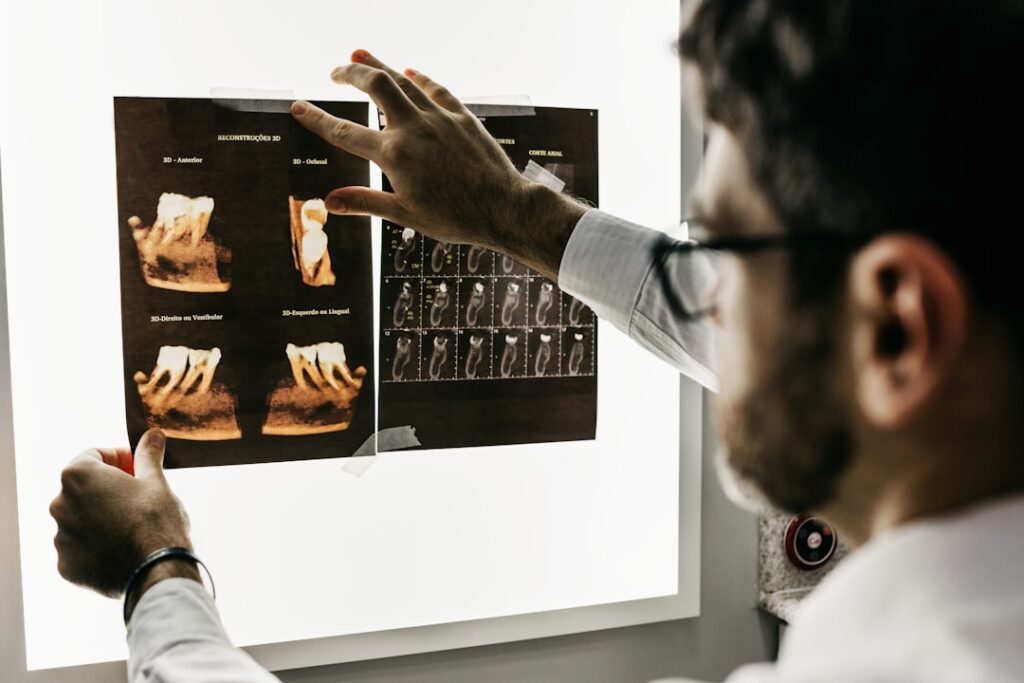
Gum disease X-rays, also known as periodontal X-rays, are specialized imaging techniques used to visualize the structures of the gums and the supporting bone around your teeth. These X-rays are crucial in identifying the presence and severity of gum disease, which can range from mild gingivitis to more severe forms like periodontitis. By capturing detailed images of your oral health, these X-rays allow dental professionals to assess the condition of your gums and the underlying bone structure, providing a clearer picture of any potential issues that may not be visible during a standard dental examination.
When you undergo a gum disease X-ray, the process typically involves taking images from various angles to ensure a comprehensive view of your periodontal health. This imaging technique helps in detecting bone loss, pockets between the teeth and gums, and other signs of gum disease that may require intervention. Understanding what gum disease X-rays are and how they function is essential for you as a patient, as it empowers you to make informed decisions about your oral health and treatment options.
Key Takeaways
- Gum disease X-rays are a type of dental imaging that helps to diagnose and monitor gum disease.
- Gum disease X-rays are used to detect bone loss, tooth decay, and other signs of gum disease that may not be visible during a regular dental exam.
- Gum disease X-rays are important in treatment planning as they provide a detailed view of the extent of the disease and help dentists determine the best course of action.
- There are different types of gum disease X-rays, including bitewing X-rays, periapical X-rays, and panoramic X-rays, each providing unique views of the teeth and surrounding structures.
- Gum disease X-rays play a crucial role in monitoring the progress and healing of gum disease, allowing dentists to adjust treatment plans as needed.
How Gum Disease X Rays are Used in Diagnosis
The diagnostic process for gum disease often begins with a thorough clinical examination, but gum disease X-rays play a pivotal role in confirming suspicions and providing a more detailed assessment. When you visit your dentist with concerns about your gums, they may recommend X-rays to evaluate the extent of any damage or disease present. These images can reveal critical information about the health of your periodontal tissues, including the depth of gum pockets and the level of bone support around your teeth.
In addition to identifying existing issues, gum disease X-rays can also help in diagnosing conditions that may not yet have manifested as noticeable symptoms. For instance, early signs of bone loss can be detected through these images, allowing for timely intervention before the condition worsens. This proactive approach is vital for maintaining your oral health and preventing more severe complications down the line.
By utilizing gum disease X-rays in conjunction with other diagnostic methods, your dentist can create a comprehensive picture of your periodontal health.
The Importance of Gum Disease X Rays in Treatment Planning

Once a diagnosis has been established through gum disease X-rays, the next step is treatment planning. These images provide essential information that guides your dentist in determining the most effective course of action for your specific condition. For example, if the X-rays reveal significant bone loss or deep pockets around your teeth, your dentist may recommend more aggressive treatments such as scaling and root planing or even surgical interventions.
Moreover, gum disease X-rays allow for personalized treatment plans tailored to your unique needs. By understanding the severity and extent of your gum disease, your dentist can discuss various options with you, including non-surgical therapies or surgical procedures if necessary. This collaborative approach ensures that you are actively involved in your treatment journey and that you fully understand the rationale behind each recommendation.
The clarity provided by these X-rays is invaluable in fostering a strong patient-dentist relationship built on trust and transparency.
Understanding the Different Types of Gum Disease X Rays
There are several types of gum disease X-rays that dentists may use to assess your periodontal health. The most common types include bitewing X-rays, periapical X-rays, and panoramic X-rays. Bitewing X-rays are typically used to detect cavities between teeth and assess bone levels around them.
They provide a clear view of the upper and lower teeth in one area of your mouth, making them useful for identifying localized gum issues. Periapical X-rays focus on individual teeth and their surrounding structures, offering a detailed view of the tooth roots and supporting bone. This type of X-ray is particularly beneficial when evaluating specific areas where gum disease may be present or when planning for procedures such as root canals or extractions.
On the other hand, panoramic X-rays provide a broad overview of your entire mouth, including all teeth and jaw structures. This type can be helpful for assessing overall periodontal health and identifying any systemic issues that may affect your gums.
The Role of Gum Disease X Rays in Monitoring Progress and Healing
After initiating treatment for gum disease, monitoring progress is crucial to ensure that the chosen interventions are effective. Gum disease X-rays serve as a valuable tool in this ongoing assessment process. By comparing pre-treatment images with post-treatment X-rays, your dentist can evaluate changes in bone levels and gum tissue health over time.
This comparison allows for adjustments to be made to your treatment plan if necessary, ensuring that you receive the best possible care. Additionally, regular follow-up X-rays can help track healing and recovery after surgical procedures or other interventions. For instance, if you underwent flap surgery to reduce pocket depths, subsequent X-rays can reveal whether the procedure was successful in restoring bone levels and improving gum health.
This ongoing monitoring not only provides peace of mind but also reinforces the importance of maintaining regular dental visits to keep your periodontal health in check.
Potential Risks and Limitations of Gum Disease X Rays

Introduction to Gum Disease X-rays
While gum disease X-rays are an invaluable diagnostic tool, it is essential to acknowledge their potential risks and limitations. One primary concern is exposure to radiation; however, advancements in dental imaging technology have significantly reduced radiation levels associated with these procedures. Dentists take precautions to minimize exposure by using lead aprons and thyroid collars during X-ray sessions.
Limitations of X-ray Technology
Another limitation is that while X-rays can reveal structural issues related to gum disease, they do not provide information about soft tissue health or inflammation levels directly. Therefore, they should be used in conjunction with clinical examinations and other diagnostic methods for a comprehensive assessment.
Importance of Comprehensive Assessment
Understanding these limitations allows you to have realistic expectations regarding what gum disease X-rays can reveal about your oral health. By combining X-ray results with other diagnostic tools, dentists can provide a more accurate diagnosis and develop an effective treatment plan.
Realistic Expectations and Treatment
It is crucial to recognize that gum disease X-rays are just one part of a comprehensive oral health assessment. By being aware of their capabilities and limitations, you can work with your dentist to develop a personalized treatment plan that addresses your specific needs and promotes optimal oral health.
Comparing Gum Disease X Rays to Other Diagnostic Tools
In the realm of periodontal diagnosis, gum disease X-rays are just one part of a broader toolkit available to dental professionals. Other diagnostic tools include clinical examinations, periodontal probing, and even advanced imaging techniques like cone beam computed tomography (CBCT). Each method has its strengths and weaknesses; therefore, it is essential to understand how they complement one another.
For instance, while clinical examinations provide immediate insights into gum health through visual inspection and probing depths, they may not capture underlying bone loss as effectively as X-rays do. Conversely, CBCT offers three-dimensional imaging that can provide even more detailed information than traditional X-rays but may not be necessary for every case due to its higher cost and radiation exposure. By combining these various diagnostic tools, your dentist can create a comprehensive understanding of your periodontal health and develop an effective treatment plan tailored to your needs.
The Future of Gum Disease X Rays in Dentistry
As technology continues to advance, the future of gum disease X-rays in dentistry looks promising. Innovations such as digital radiography have already transformed how these images are captured and analyzed, resulting in faster processing times and reduced radiation exposure. Furthermore, artificial intelligence is beginning to play a role in interpreting dental images, potentially enhancing diagnostic accuracy and efficiency.
Looking ahead, we can expect further developments that will improve both the quality of imaging and the overall patient experience during dental visits. As research continues to uncover new insights into periodontal diseases and their treatment, gum disease X-rays will remain an essential component of effective diagnosis and management strategies. By staying informed about these advancements, you can take an active role in maintaining your oral health and ensuring that you receive the best possible care from your dental team.
If you are concerned about gum disease and want to learn more about how it can be detected through X-rays, check out this informative article on dentistinnear.me. This article discusses the importance of regular dental check-ups and how X-rays can help identify early signs of gum disease. It also provides tips on how to prevent and treat gum disease to maintain good oral health.
FAQs
What is gum disease?
Gum disease, also known as periodontal disease, is an infection of the tissues that surround and support the teeth. It is caused by the buildup of plaque, a sticky film of bacteria that forms on the teeth.
What are the symptoms of gum disease?
Symptoms of gum disease can include swollen, red, or tender gums, bleeding while brushing or flossing, persistent bad breath, receding gums, and loose or shifting teeth.
What is a gum disease X-ray?
A gum disease X-ray, also known as a dental radiograph, is an imaging technique used to diagnose and monitor gum disease. It can show the extent of bone loss and help determine the best course of treatment.
How is a gum disease X-ray performed?
During a gum disease X-ray, the patient will be asked to bite down on a small piece of plastic while the X-ray machine is positioned outside the mouth. The dentist or dental hygienist will then take the X-ray images.
Are there any risks associated with gum disease X-rays?
Gum disease X-rays involve a very low level of radiation exposure, and the risks are minimal. However, pregnant women should inform their dentist before undergoing any X-ray procedures.
How are gum disease X-rays used in the diagnosis and treatment of gum disease?
Gum disease X-rays can help dentists identify the extent of bone loss and determine the best treatment plan for the patient. They can also be used to monitor the progression of the disease and the effectiveness of treatment.