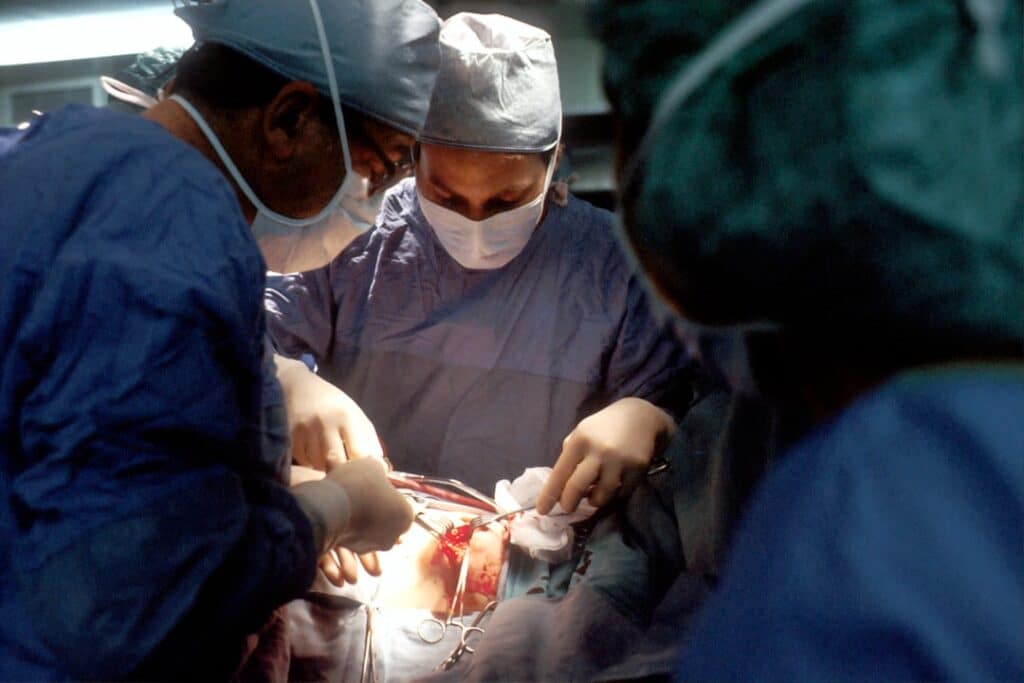
Gum disease surgery refers to a range of surgical procedures aimed at treating periodontal disease, a condition that affects the gums and the supporting structures of the teeth. This condition can lead to tooth loss if left untreated, making surgical intervention necessary in more advanced cases. The surgery is designed to restore gum health, reduce inflammation, and prevent further damage to the bone and tissue surrounding the teeth.
By addressing the underlying issues of gum disease, these procedures can help you maintain your oral health and improve your overall quality of life. When you undergo gum disease surgery, the specific type of procedure will depend on the severity of your condition. In some cases, non-surgical treatments may be sufficient, but when these fail to yield results, surgical options become essential.
The goal of these surgeries is not only to treat existing gum disease but also to create a healthier environment for your teeth and gums, ultimately preventing future complications. Understanding what gum disease surgery entails can help you make informed decisions about your oral health.
Key Takeaways
- Gum disease surgery is a procedure to treat advanced stages of gum disease that cannot be addressed with non-surgical methods.
- Signs and symptoms of gum disease include swollen, tender, or bleeding gums, persistent bad breath, and loose teeth.
- Types of gum disease surgery include flap surgery, bone grafts, tissue regeneration, and pocket reduction procedures.
- Preparing for gum disease surgery involves discussing medical history, medications, and following pre-operative instructions from the dentist or periodontist.
- The procedure of gum disease surgery typically involves removing plaque and tartar, reshaping the bone, and securing the gum tissue back in place to promote healing.
Signs and Symptoms of Gum Disease
Recognizing the signs and symptoms of gum disease is crucial for early intervention and treatment. One of the most common indicators is persistent bad breath, which can be a result of bacteria buildup in the mouth. You may also notice swollen or bleeding gums, especially when brushing or flossing.
These symptoms are often accompanied by discomfort or tenderness in the gums, which can make oral hygiene practices more challenging. If you find that your gums are receding or that your teeth appear longer than usual, these could also be signs that gum disease is progressing. In addition to these physical symptoms, you might experience changes in your bite or notice that your teeth feel loose.
This can be alarming, as it indicates that the supporting structures of your teeth are compromised. If you observe any of these symptoms, it’s essential to consult with a dental professional promptly. Early detection and treatment can prevent the need for more invasive procedures later on, allowing you to maintain a healthier smile.
Types of Gum Disease Surgery
There are several types of gum disease surgery, each tailored to address specific issues related to periodontal disease. One common procedure is flap surgery, where the gums are lifted back to allow for deep cleaning of the roots of the teeth. This technique helps remove tartar and bacteria that have accumulated below the gum line.
After cleaning, the gums are sutured back into place, promoting healing and reattachment to the teeth. Another type of surgery is bone grafting, which is often necessary when there has been significant bone loss due to advanced gum disease. In this procedure, bone material is added to the affected area to encourage new bone growth and provide better support for the teeth.
Additionally, guided tissue regeneration may be employed in conjunction with bone grafting to promote the growth of healthy tissue around the teeth. Understanding these various surgical options can empower you to discuss your treatment plan with your dentist or periodontist effectively.
Preparing for Gum Disease Surgery
Preparation for gum disease surgery involves several steps to ensure that you are ready for the procedure and that it goes smoothly. Initially, your dentist will conduct a thorough examination of your oral health, including X-rays to assess the extent of gum disease and any bone loss. This evaluation will help determine the most appropriate surgical approach for your specific situation.
You may also be asked about your medical history and any medications you are currently taking, as this information is vital for planning your treatment. In the days leading up to your surgery, it’s essential to follow any pre-operative instructions provided by your dental team. This may include avoiding certain medications that can increase bleeding or adjusting your oral hygiene routine.
Additionally, you should arrange for someone to accompany you on the day of the procedure, as you may be under sedation or anesthesia. Being well-prepared can help alleviate anxiety and ensure that you have a smooth experience during and after the surgery.
The Procedure of Gum Disease Surgery
On the day of your gum disease surgery, you will arrive at the dental office or surgical center where the procedure will take place. After checking in and completing any necessary paperwork, you will be taken to a treatment room where your dental team will explain the process once more. Depending on the complexity of your case, local anesthesia or sedation may be administered to ensure your comfort throughout the procedure.
Once you are adequately numbed or sedated, your dentist will begin by making incisions in the gum tissue to access the underlying areas affected by gum disease. If flap surgery is being performed, they will gently lift the gums away from the teeth to allow for thorough cleaning and debridement. In cases where bone grafting is necessary, bone material will be placed in the affected areas before suturing the gums back into place.
The entire procedure typically lasts between one to two hours, depending on its complexity and the number of areas being treated.
Recovery and Aftercare
After your gum disease surgery, recovery is an essential phase that requires attention and care. You may experience some swelling and discomfort in the days following the procedure, which is normal. Your dentist will likely prescribe pain medication or recommend over-the-counter options to help manage any discomfort you may feel.
It’s crucial to follow their instructions regarding medication and any prescribed antibiotics to prevent infection. During your recovery period, maintaining proper oral hygiene is vital but should be approached with caution. You may be advised to avoid brushing or flossing near the surgical site for a few days to allow for healing.
Instead, gentle rinsing with warm salt water can help keep your mouth clean without disturbing the surgical area. Additionally, sticking to a soft-food diet can minimize irritation while ensuring you receive adequate nutrition as you heal.
Risks and Complications of Gum Disease Surgery
While gum disease surgery is generally safe and effective, like any medical procedure, it carries certain risks and potential complications. One common concern is infection at the surgical site, which can occur if bacteria enter through incisions made during the procedure. To mitigate this risk, it’s essential to follow all aftercare instructions provided by your dental team diligently.
Another potential complication is excessive bleeding or hematoma formation in the area where surgery was performed. If you notice unusual swelling or bleeding that does not subside with time or prescribed care, it’s crucial to contact your dentist immediately. Additionally, some patients may experience changes in their bite or sensitivity in their teeth following surgery.
While these issues are often temporary, they should be discussed with your dental professional if they persist.
Long-term Effects of Gum Disease Surgery
The long-term effects of gum disease surgery can be profoundly positive when proper care is taken post-procedure. Many patients experience significant improvements in their gum health and overall oral hygiene after undergoing surgery. By removing infected tissue and bacteria from below the gum line, you create a healthier environment for your teeth and gums, reducing the risk of future periodontal issues.
Moreover, successful gum disease surgery can lead to improved aesthetics and function of your smile. As inflammation decreases and gums heal properly, you may notice a reduction in gum recession and an overall enhancement in your smile’s appearance. However, it’s essential to maintain regular dental check-ups and practice good oral hygiene habits at home to ensure lasting results from your surgery.
By committing to ongoing care, you can enjoy a healthier mouth and a brighter smile for years to come.
If you are considering gum disease surgery, it is important to find a qualified dentist near you. One option is to visit a dentist in San Antonio, Texas, who can provide expert care for your oral health needs. Another option is to seek treatment from a dentist in Tacoma, Washington, who can also offer specialized services for gum disease treatment. Additionally, it is crucial to be prepared for any dental emergencies, such as dental trauma, by visiting a dentist who offers emergency care services. For more information on dental trauma and emergency care, check out this related article.
FAQs
What is gum disease surgery?
Gum disease surgery, also known as periodontal surgery, is a procedure used to treat advanced stages of gum disease. It involves removing bacteria and tartar from the gums, reshaping the bone and tissue, and repairing any damage caused by the disease.
When is gum disease surgery necessary?
Gum disease surgery is necessary when non-surgical treatments, such as deep cleaning and medication, are not effective in treating advanced gum disease. It is also recommended when the disease has caused significant damage to the gums and supporting bone.
What are the different types of gum disease surgery?
There are several types of gum disease surgery, including flap surgery, bone grafts, soft tissue grafts, guided tissue regeneration, and tissue-stimulating proteins. The specific type of surgery recommended will depend on the severity and extent of the gum disease.
What are the risks and complications associated with gum disease surgery?
Risks and complications of gum disease surgery may include infection, bleeding, swelling, pain, and sensitivity. In some cases, there may be a risk of damage to nearby teeth or restorations. It is important to discuss these risks with a periodontist before undergoing surgery.
What is the recovery process like after gum disease surgery?
The recovery process after gum disease surgery can vary depending on the type of surgery performed. Patients may experience some discomfort, swelling, and bleeding immediately after the procedure. It is important to follow post-operative instructions provided by the periodontist to promote healing and reduce the risk of complications.
How can gum disease surgery be prevented?
Gum disease surgery can be prevented by practicing good oral hygiene, including regular brushing, flossing, and professional cleanings. It is also important to avoid smoking, maintain a healthy diet, and manage any underlying health conditions that may contribute to gum disease.