
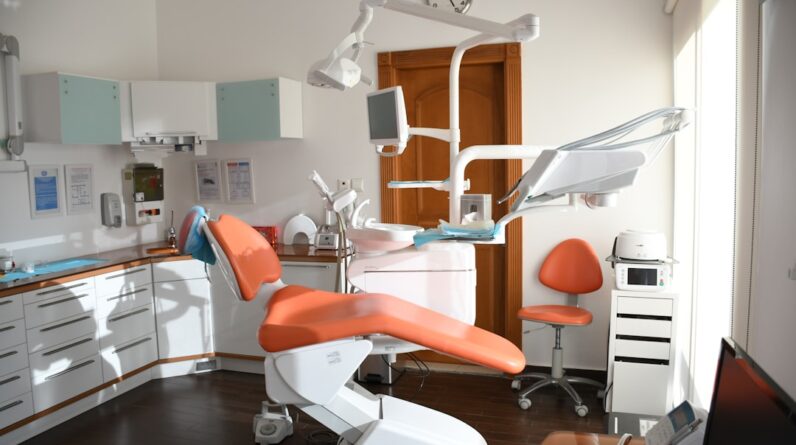
Frisco’s Best Teeth Whitening Services
You’ve caught yourself in a moment of candid laughter, only to have your reflection reveal a smile that doesn’t quite match the vibrancy of your spirit. The subtle erosion of enamel, the lingering stains from coffee or wine – these are common adversaries in the battle for a brilliant smile.
Fortunately, Frisco, Texas, offers a robust landscape of dental professionals dedicated to helping you reclaim that lost luminescence. This guide aims to equip you with the knowledge to navigate the diverse options for teeth whitening, empowering you to make an informed decision and invest in a smile that truly shines.
Understanding the Science Behind a Whiter Smile
Before you embark on your whitening journey, it’s crucial to understand the mechanisms at play. Teeth whitening, at its core, involves breaking down and lifting extrinsic and intrinsic stains from your tooth enamel.
The Nature of Tooth Stains
- Extrinsic Stains: These are the most common type of discoloration and reside on the outer layer of your tooth, the enamel. External factors typically cause them and can be addressed with various whitening treatments. Think of these stains as pigments clinging to the surface of a pristine white canvas.
- Food and Drink: Pigments from everyday consumables such as coffee, tea, red wine, berries, and dark sauces are notorious for adhering to enamel. The longer these substances remain in contact with your teeth, the more deeply they can penetrate.
- Tobacco Use: Nicotine and tar from cigarettes, cigars, and chewing tobacco are highly effective at staining teeth, often resulting in a yellowish or brownish hue. Enamel’s porous nature readily absorbs these chemicals.
- Poor Oral Hygiene: Inadequate brushing and flossing can lead to the buildup of plaque and tartar, which can appear discolored and contribute to a duller overall appearance. Bacteria within plaque can also produce pigments.
- Intrinsic Stains: These stains originate from within the tooth itself, affecting the dentin, the layer beneath the enamel. They are generally more challenging to remove and may require more intensive treatments. These are less like surface smudges and more like a change in the fabric’s very color.
- Trauma: A blow to a tooth can cause bleeding within the pulp, leading to a darkening of the tooth over time—the blood pigments deposit within the tooth structure.
- Medications: Certain medications, particularly tetracycline antibiotics taken during tooth development (childhood or pregnancy), can cause permanent gray or brown banding within the teeth.
- Fluorosis: Excessive fluoride intake during tooth formation can lead to white spots or streaks, or in more severe cases, brownish discoloration. This is a developmental issue with the enamel matrix.
- Aging: As you age, the enamel naturally thins, allowing the yellowish dentin layer beneath to become more visible. This is a natural physiological process, much like the loss of youthful elasticity.
The Mechanism of Whitening Agents
The active ingredients in most professional teeth whitening products are peroxides. These compounds break down into free radicals, which then penetrate the enamel and break apart the stain molecules.
- Hydrogen Peroxide: This is the most commonly used whitening agent. It’s available in various concentrations, with higher concentrations typically yielding faster results. Think of hydrogen peroxide as a powerful solvent that dissolves the stubborn pigment molecules.
- Effectiveness: Generally considered very effective for a broad range of stains.
- Concentration: Ranges from over-the-counter products at 3-10% to professional treatments at 15-40%. Higher concentrations require careful application and monitoring to prevent damage.
- Carbamide Peroxide: This compound is a precursor to hydrogen peroxide. It breaks down into urea and hydrogen peroxide, meaning it releases hydrogen peroxide more slowly. This makes it a gentler option for many individuals. It’s like a time-release capsule of whitening power.
- Effectiveness: Equally effective as hydrogen peroxide over time, but generally requires more extended application periods.
- Concentration: Typically used in professional take-home kits, with concentrations ranging from 10-22%.
The effectiveness of any whitening treatment is influenced by factors such as the type and severity of stains, the concentration of the whitening agent, the duration of treatment, and your individual tooth structure.
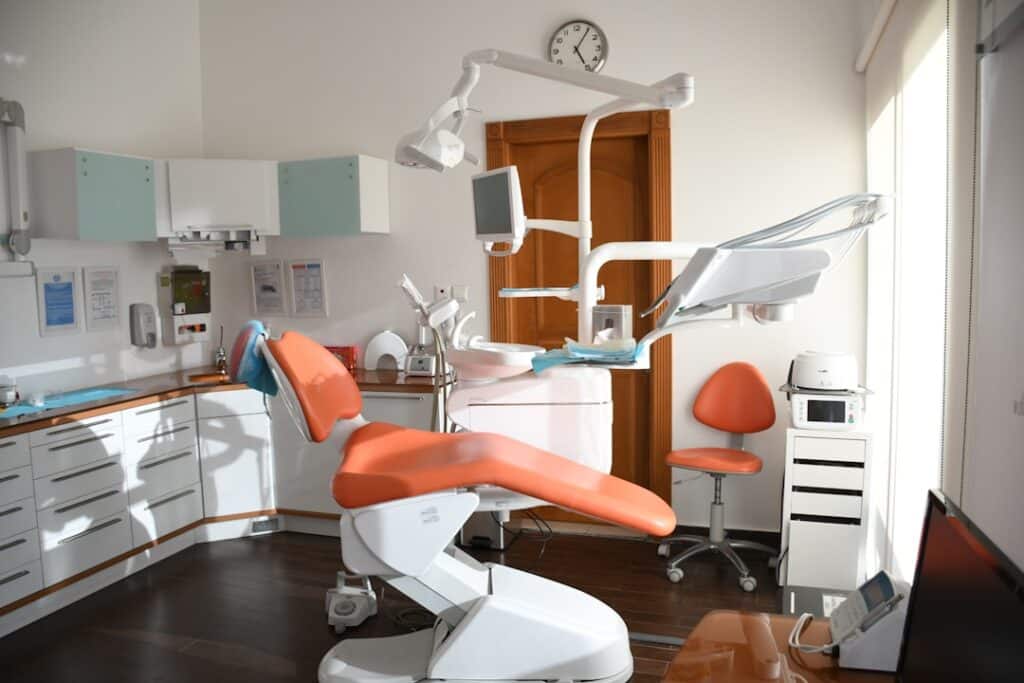
Professional In-Office Whitening: The Express Lane to a Brighter Smile
When you’re seeking rapid and dramatic results, in-office whitening treatments are often the go-to solution. These procedures are conducted under the careful supervision of a dental professional, ensuring safety and optimal efficacy. They are the equivalent of a high-speed train to your desired destination of a dazzling smile.
The In-Office Whitening Process
- Consultation and Assessment: Your journey begins with a thorough examination of your teeth and gums. The dentist will assess the type and extent of discoloration and discuss your expectations. This step is akin to a diagnostic session before a significant medical procedure.
- Oral Health Check: Your mouth must be in good dental health before any whitening procedure. Any existing cavities, gum disease, or sensitive teeth will be addressed first, as whitening agents can exacerbate these issues.
- Shade Matching: If you’re looking to match your newly whitened teeth to existing dental work or to achieve a specific shade, the dentist will use a shade guide to record your current tooth color.
- Protection of Soft Tissues: Before the whitening agent is applied, your gums and lips will be meticulously protected. This typically involves applying a barrier to the gum line and using lip retractors. This is a crucial step to prevent chemical burns or irritation to sensitive tissues.
- Gingival Barrier: A light-cured resin or a protective gel is applied along the gum line to create a shield.
- Lip and Cheek Retractors: These devices manually hold back your lips and cheeks, exposing the teeth and preventing accidental contact with the whitening solution.
- Application of Whitening Gel: A high-concentration hydrogen peroxide or carbamide peroxide gel is then carefully applied to the teeth. The concentration of these gels in an in-office setting is significantly higher than that available over the counter.
- Gel Formulation: Professional gels are formulated for immediate activation and optimal bonding to the enamel surface.
- Application Technique: Dentists use precise techniques to ensure even coverage and avoid dripping onto surrounding tissues.
- Activation (Optional): Some in-office systems utilize a special light (e.g., LED, halogen, or laser) to accelerate the chemical reaction of the whitening gel. While the efficacy of these lights has been debated, they are often used to speed up the process. It’s like giving the chemical reaction a gentle nudge to speed it up.
- Light Types: Different wavelengths and intensities of light are employed, depending on the specific product.
- Heat Generation: Some lights can generate heat, increasing the risk of tooth sensitivity. Dentists will monitor this closely.
- Rinsing and Repetition: After a designated period, the gel is removed, and the teeth are rinsed. The process may be repeated several times during a single appointment to achieve the desired level of whitening.
- Duration per Session: Each application typically lasts for 15-20 minutes.
- Number of Cycles: A typical in-office session may involve 2-4 cycles of gel application and removal.
Benefits of In-Office Whitening
- Speed: You can achieve a noticeably brighter smile in as little as one hour.
- Effectiveness: Professional-grade whitening agents and controlled application lead to dramatic results.
- Safety: Under dental supervision, the risk of adverse effects is minimized.
- Convenience: Minimal at-home commitment required.
Potential Side Effects of In-Office Whitening
- Tooth Sensitivity: Some individuals may experience temporary tooth sensitivity, particularly to hot or cold stimuli.
- Gum Irritation: Mild gum irritation can occur if the whitening gel comes into contact with the gums.
- Temporary Whitening Spots: In some cases, especially with naturally porous teeth, temporary white spots may appear that usually resolve over a few days.
Professional Take-Home Whitening Kits: Customized Brightness at Your Own Pace
For those who prefer a more gradual and flexible approach, professional take-home whitening kits offer a powerful yet convenient solution. These kits are tailored to your specific needs and monitored by your dentist, providing a middle ground between over-the-counter options and in-office treatments. They are the bespoke tailoring of your smile’s transformation.
The Take-Home Whitening Process
- Impressions and Custom Trays: Your dentist will take impressions of your teeth to create custom-fitted whitening trays. These trays are designed to conform to your unique dental anatomy snugly, ensuring even distribution of the whitening gel and preventing leakage. This precision is paramount to a successful outcome.
- Material Quality: Dental labs use high-quality materials to fabricate durable and comfortable trays.
- Fit Verification: Your dentist will ensure the trays fit perfectly before you take them home.
- Prescription-Strength Whitening Gel: You will be provided with a professional-grade whitening gel, typically carbamide peroxide, at a concentration suitable for at-home use. This gel is dispensed into the custom trays.
- Gel Selection: The dentist will choose the appropriate gel concentration based on your teeth’s sensitivity and the desired level of whitening.
- Application Instructions: Clear instructions will be provided on how to apply the gel to the trays and for how long to wear them each day.
- Daily Application Regimen: You will wear the whitening trays for a prescribed period each day, usually for 1 or more hours, depending on the gel concentration and your dentist’s recommendations. The duration of treatment can vary from a few days to several weeks.
- Wear Time: Factors influencing wear time include the strength of the gel and your individual response.
- Gel Amount: It’s crucial not to overfill the trays, as excess gel can lead to sensitivity and waste.
- Regular Check-ups: Your dentist will schedule follow-up appointments to monitor your progress, address any concerns, and make adjustments to the treatment plan if necessary. This ensures you are on the right track and allows for early detection of any issues.
- Progress Evaluation: The dentist will assess the shade change and your comfort level.
- Troubleshooting: Any issues, such as increased sensitivity or uneven whitening, can be promptly addressed.
Benefits of Professional Take-Home Kits
- Cost-Effectiveness: Generally more affordable than in-office treatments while still offering professional results.
- Flexibility: You can whiten your teeth on your own schedule, fitting it into your daily routine.
- Customization: The custom trays ensure a precise fit and optimal gel distribution, leading to more even and predictable results.
- Controlled Sensitivity: The slower-release nature of carbamide peroxide and the custom fit can help manage tooth sensitivity.
Potential Side Effects of Professional Take-Home Kits
- Tooth Sensitivity: While generally milder than in-office treatments, some sensitivity can still occur.
- Gum Irritation: If trays are overfilled or don’t fit perfectly, gum irritation is possible.
- Temporary Unevenness: In rare cases, if not applied consistently, some minor unevenness in whitening might be observed.
Beyond the Professionals: Exploring Other Teeth Whitening Options in Frisco
While professional dental services offer the most reliable and effective results, other teeth whitening options are available in Frisco. Understanding these alternatives allows for a comprehensive view of the market, but it’s essential to approach them with caution and awareness of their limitations. These are the well-trodden paths, sometimes scenic, sometimes rocky.
Over-the-Counter Whitening Products
These products are readily available at pharmacies and retail stores and include strips, toothpastes, mouthwashes, and at-home kits with non-custom trays. They are generally lower in concentration and efficacy compared to professional options.
- Whitening Strips: Thin, flexible plastic strips coated with a peroxide-based whitening gel.
- Application: Applied directly to the teeth for a specified duration.
- Limitations: May not effectively reach all tooth surfaces, especially in crowded or unevenly aligned teeth. Results can be less dramatic.
- Whitening Toothpastes: Contain mild abrasives to remove surface stains and some may include low concentrations of chemical whitening agents.
- Mechanism: Primarily polish teeth and remove surface stains, offering subtle brightening over time.
- Not a Deep Whitener: Do not penetrate enamel to address intrinsic stains.
- Whitening Mouthwashes: Contain low concentrations of hydrogen peroxide or other agents designed to freshen breath and provide a slight whitening effect.
- Limited Impact: The short contact time with teeth makes them less effective for significant whitening.
Natural and DIY Whitening Methods
A plethora of “natural” remedies exist, often discussed online. These range from fruit acids to activated charcoal. It’s crucial to approach these with extreme caution, as many lack scientific backing and can potentially harm your enamel.
- Activated Charcoal: Marketed for its supposed ability to absorb toxins and stains.
- Mechanism: Works through abrasion, potentially scratching enamel.
- Scientific Evidence: Limited and conflicting research on long-term efficacy and safety. It can be highly abrasive if misused.
- Baking Soda and Lemon/Vinegar: A standard DIY mixture.
- Mechanism: Baking soda is abrasive, and the acidity of lemon or vinegar can erode enamel.
- Risks: Highly damaging to tooth enamel, leading to increased sensitivity and long-term structural issues. This is akin to using sandpaper on fine silk.
- Oil Pulling: Swishing oil (usually coconut oil) in the mouth.
- Claimed Benefits: Oral hygiene, gum health, and some claimed whitening.
- Scientific Evidence: Limited evidence for significant whitening effects. Primarily associated with potential improvements in oral hygiene and reducing certain bacteria.
Important Note: While many online sources tout the benefits of natural whitening methods, it is crucial to consult with your dentist before trying any of these. The risk of irreversible damage to your tooth enamel is significant with many DIY approaches.

Finding the Right Dentist in Frisco for Your Whitening Needs
Choosing the right dental professional is just as important as selecting the proper whitening method. Frisco boasts a multitude of skilled dentists, and your selection should be based on a combination of expertise, patient reviews, and your comfort level. Think of your dentist as the conductor of your smile orchestra.
Factors to Consider When Choosing a Dentist
- Qualifications and Experience: Look for dentists with extensive experience in cosmetic dentistry, particularly in performing teeth whitening procedures.
- Continuing Education: Dentists who actively participate in continuing education courses demonstrate a commitment to staying up to date with the latest techniques and technologies.
- Specialization: While many general dentists offer whitening, some may have a particular focus on cosmetic procedures.
- Patient Reviews and Testimonials: Online reviews and testimonials from other patients can provide valuable insights into a dentist’s bedside manner, the quality of their work, and patient satisfaction.
- Reputable Platforms: Utilize review sites like Google Reviews, Yelp, or specific dental review platforms.
- Look for Patterns: Consistent positive or negative feedback on specific aspects can be telling.
- Consultation and Communication: A good dentist will offer a thorough consultation, patiently answer your questions, and clearly explain the treatment options, expected results, and potential risks.
- Active Listening: The dentist should listen attentively to your concerns and goals.
- Clear Explanations: Avoid jargon and ensure you understand the entire process.
- Technology and Techniques: Inquire about the types of whitening technologies and products the practice uses. Modern practices often invest in advanced equipment that can enhance both efficacy and patient comfort.
- Up-to-Date Equipment: Does the practice use state-of-the-art whitening tools?
- Product Knowledge: Does the dentist have a strong understanding of the various whitening agents and their applications?
- Office Atmosphere and Staff: A welcoming and professional office environment can significantly contribute to a positive patient experience.
- Friendly and Knowledgeable Staff: The entire team should be helpful and approachable.
- Cleanliness and Comfort: The practice’s overall atmosphere should be clean, organized, and comfortable.
Questions to Ask Your Potential Dentist
When you meet with a potential dentist, don’t hesitate to ask questions to ensure they are the right fit for you.
- “What types of teeth whitening treatments do you offer, and which would you recommend for my specific needs?”
- “Can you explain the potential benefits and risks associated with each treatment option?”
- “What is the expected timeline for achieving my desired results?”
- “What is the cost breakdown for the recommended treatment, and are there any financing options available?”
- “What post-treatment care instructions do you provide to maintain my results?”
- “Can you show me before-and-after photos of patients who have undergone similar whitening procedures?”
- “How do you manage tooth sensitivity during and after the whitening process?”
Maintaining Your Brilliant Smile: Post-Whitening Care and Longevity
Achieving a whiter smile is an accomplishment, but maintaining that luminosity requires a commitment to good oral hygiene and mindful habits. Your bright smile is a garden; it needs tending to remain vibrant.
Lifestyle Adjustments for Stain Prevention
- Dietary Modifications: Be mindful of foods and beverages known to stain teeth. Limiting your intake of coffee, tea, red wine, dark sodas, and pigmented sauces can make a significant difference.
- Straw Usage: Consider using a straw for beverages to minimize contact with your front teeth.
- Rinsing After Consumption: If you do indulge in staining foods or drinks, rinse your mouth with water afterward.
- Smoking Cessation: If you are a smoker, quitting is one of the most impactful steps you can take to prevent future staining and maintain the health of your teeth and gums.
- Long-Term Benefits: Beyond whitening, quitting smoking offers numerous health advantages.
- Regular Dental Check-ups: Continue with your routine dental cleanings and check-ups. Professional cleanings can remove new surface stains and keep your oral hygiene in top condition.
- Professional Polishing: Dentists can polish away superficial stains that may reappear.
Recommended Oral Hygiene Practices
- Consistent Brushing: Brush your teeth at least twice a day with a soft-bristle toothbrush and fluoride toothpaste.
- Gentle Technique: Avoid aggressive brushing, which can wear down enamel.
- Daily Flossing: Flossing is essential for removing plaque and food particles from between teeth, areas that brushing alone cannot reach.
- Preventing Plaque Buildup: Plaque can harbor bacteria that contribute to staining and decay.
- Using a Whitening Toothpaste (Sparingly): While not a primary whitening method, a whitening toothpaste can help maintain your results by gently removing surface stains.
- Consult Your Dentist: Discuss with your dentist whether a whitening toothpaste is appropriate for you and how often to use it.
- Whitening Touch-Up Kits: Your dentist may recommend periodic touch-up kits to refresh your smile as needed. This allows for maintenance without undergoing a complete whitening procedure again.
- As Needed Basis: These are typically used for brief periods to address minor fading.
By understanding the available options and committing to proper aftercare, you can embark on a successful teeth-whitening journey in Frisco and enjoy a radiant smile for years to come. Your smile is a statement; ensure it speaks volumes about your confidence and well-being.
FAQs
What types of teeth whitening services are available in Frisco?
Frisco offers a variety of teeth whitening services, including in-office professional whitening, take-home whitening kits, and over-the-counter whitening products. Professional services typically deliver faster, more noticeable results.
How long do professional teeth whitening treatments in Frisco usually take?
Most in-office teeth whitening treatments in Frisco take about 60 to 90 minutes per session. Some patients may require multiple sessions depending on the desired level of whitening.
Are teeth whitening services in Frisco safe for sensitive teeth?
Many dental offices in Frisco offer whitening treatments specifically designed for sensitive teeth. These treatments use gentler formulas and may include desensitizing agents to minimize discomfort.
How much do teeth whitening services typically cost in Frisco?
The cost of teeth whitening in Frisco varies depending on the service type. In-office professional whitening can range from $300 to $600, while take-home kits and over-the-counter products are generally less expensive.
Can anyone get their teeth whitened in Frisco?
Most healthy adults are good candidates for teeth whitening. However, individuals with dental restorations, severe tooth sensitivity, or certain dental conditions should consult with a dentist in Frisco before undergoing whitening treatments.
Maps Of Frisco, Texas
Weather In Frisco, Texas
[simple-weather location=”Frisco, Texas”]
Here is one Frisco’s Best Teeth Whitening Services
Frisco’s Best Teeth Whitening Services
Heritage Family Dentistry Frisco
Dentist
4685 Eldorado Pkwy #200
Aesthetic General Dentistry of Frisco
Dentist
9359 Legacy Dr #200
Frisco Dental Studio
Dentist
13030 Preston Rd Suite 300