

Dental cavities, also known as caries or tooth decay, are one of the most common dental issues that affect people of all ages. They occur when the hard surface of your teeth, known as enamel, becomes damaged due to the action of bacteria in your mouth. These bacteria feed on sugars and carbohydrates from the food you consume, producing acids that erode the enamel over time.
If left untreated, cavities can progress deeper into the tooth structure, potentially leading to more severe dental problems. Understanding dental cavities is crucial for maintaining good oral health. They can manifest as small holes or pits in your teeth, and while they may start off as minor issues, they can escalate into significant concerns if not addressed promptly.
The process of cavity formation is gradual, often taking months or even years before you notice any symptoms. This makes it essential to be aware of the factors that contribute to their development and to take proactive measures to protect your teeth.
Key Takeaways
- Dental cavities are holes or structural damage in the teeth caused by bacteria and acids.
- Causes of dental cavities include poor oral hygiene, sugary and acidic foods, and bacteria in the mouth.
- Symptoms of dental cavities may include toothache, sensitivity to hot or cold, and visible holes or pits in the teeth.
- Prevention of dental cavities involves regular brushing and flossing, a balanced diet, and fluoride treatments.
- Diagnosis of dental cavities is typically done through visual examination, X-rays, and probing with dental instruments.
Causes of Dental Cavities
The primary cause of dental cavities is the presence of plaque, a sticky film of bacteria that forms on your teeth. When you consume sugary or carbohydrate-rich foods, the bacteria in plaque convert these substances into acids. These acids can demineralize the enamel, leading to the formation of cavities.
Poor oral hygiene practices, such as infrequent brushing and flossing, can exacerbate this process by allowing plaque to accumulate and harden into tartar, which is much more difficult to remove. Other factors can also contribute to the development of cavities. For instance, a diet high in sugar and refined carbohydrates significantly increases your risk.
Additionally, certain medical conditions, such as dry mouth or acid reflux, can reduce saliva production, which plays a vital role in neutralizing acids and washing away food particles. Furthermore, some individuals may be more susceptible to cavities due to genetic factors that affect tooth structure and enamel strength.
Symptoms of Dental Cavities

Recognizing the symptoms of dental cavities is essential for early intervention. In the initial stages, you may not experience any noticeable signs; however, as the decay progresses, you might begin to feel sensitivity or pain when consuming hot, cold, or sweet foods and beverages. This discomfort can serve as a warning sign that a cavity has formed and that it’s time to consult a dentist.
As cavities continue to develop, you may notice visible changes in your teeth. This can include dark spots or holes on the surface of your teeth. In more advanced cases, you might experience persistent toothache or swelling in the gums surrounding the affected tooth.
If you find yourself experiencing any of these symptoms, it’s crucial to seek professional dental care promptly to prevent further complications.
Prevention of Dental Cavities
Preventing dental cavities is largely within your control and involves adopting good oral hygiene practices. Brushing your teeth at least twice a day with fluoride toothpaste is one of the most effective ways to remove plaque and prevent decay. Flossing daily is equally important, as it helps eliminate food particles and plaque from between your teeth where your toothbrush may not reach.
In addition to maintaining a consistent oral hygiene routine, being mindful of your diet can significantly reduce your risk of developing cavities. Limiting sugary snacks and beverages can help minimize acid production in your mouth. Instead, opt for healthier alternatives like fruits, vegetables, and whole grains.
Regular dental check-ups are also vital; your dentist can provide professional cleanings and monitor your oral health for any signs of cavities before they become problematic.
Diagnosis of Dental Cavities
When you visit a dentist for a check-up or if you suspect you have a cavity, they will conduct a thorough examination of your teeth and gums. This typically involves visual inspection and may include the use of dental instruments to detect soft spots or decay on the tooth surface. In some cases, X-rays may be necessary to identify cavities that are not visible during a standard examination, particularly those located between teeth or beneath existing fillings.
The diagnostic process is crucial for determining the extent of decay and planning appropriate treatment options. Early detection is key; if cavities are identified in their initial stages, they can often be treated with less invasive methods than if they are allowed to progress unchecked.
Treatment Options for Dental Cavities
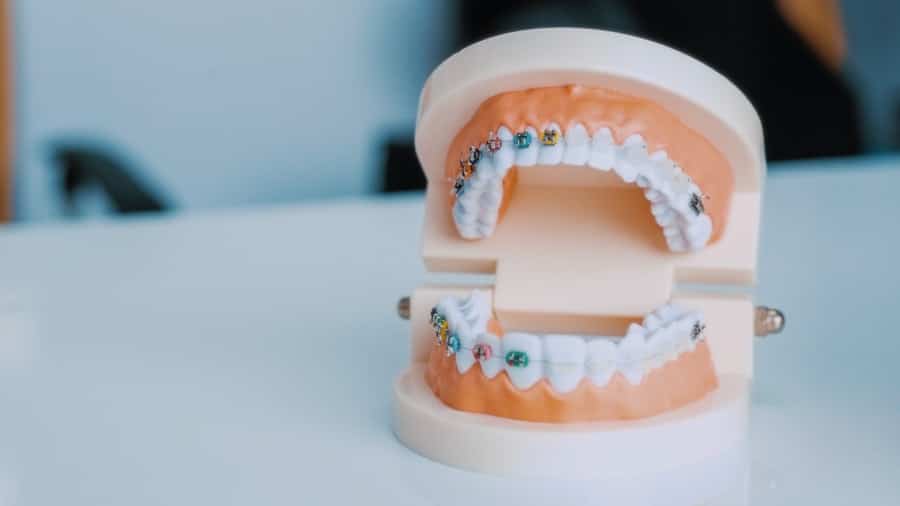
Once diagnosed with a cavity, several treatment options are available depending on the severity of the decay. For early-stage cavities that have not yet caused significant damage to the tooth structure, your dentist may recommend a fluoride treatment to help remineralize the enamel and halt further decay. This approach can be effective in reversing minor cavities before they require more extensive intervention.
For more advanced cavities that have penetrated deeper into the tooth, restorative treatments such as fillings are typically necessary. During this procedure, the decayed portion of the tooth is removed, and the cavity is filled with materials such as composite resin or amalgam. In cases where the decay has reached the pulp of the tooth, a root canal may be required to remove infected tissue before sealing the tooth with a crown for protection.
Complications of Untreated Dental Cavities
Neglecting dental cavities can lead to serious complications that extend beyond mere discomfort. As decay progresses deeper into the tooth structure, it can result in severe pain and infection. An untreated cavity can lead to an abscessed tooth, which is a pocket of pus that forms due to bacterial infection.
This condition often requires immediate medical attention and may necessitate more invasive treatments such as root canals or even tooth extraction. Moreover, untreated cavities can have broader implications for your overall health. The bacteria associated with tooth decay can enter your bloodstream and potentially contribute to systemic health issues such as heart disease or diabetes.
Therefore, addressing dental cavities promptly is not only essential for maintaining oral health but also for safeguarding your overall well-being.
Importance of Regular Dental Check-ups for Preventing Dental Cavities
Regular dental check-ups play a pivotal role in preventing dental cavities and maintaining optimal oral health. During these visits, your dentist can perform professional cleanings to remove plaque and tartar buildup that regular brushing may miss. Additionally, routine examinations allow for early detection of cavities and other dental issues before they escalate into more serious problems.
Establishing a consistent schedule for dental visits—typically every six months—ensures that you receive personalized advice on maintaining good oral hygiene practices tailored to your specific needs. Your dentist can also provide guidance on dietary choices that support dental health and recommend preventive treatments such as sealants or fluoride applications that further reduce your risk of developing cavities. In conclusion, understanding dental cavities—from their causes and symptoms to prevention and treatment—is essential for maintaining good oral health.
By being proactive about your dental care and prioritizing regular check-ups with your dentist, you can significantly reduce your risk of developing cavities and enjoy a healthier smile for years to come.
If you are looking for more information on preventing dental cavities, you may want to check out this article on San Jose, California. It discusses the importance of regular dental check-ups and proper oral hygiene practices to avoid cavities. Taking care of your teeth is essential in maintaining good oral health and preventing dental issues like cavities. Visit the link to learn more about how to protect your teeth from decay.
FAQs
What are dental cavities?
Dental cavities, also known as tooth decay or caries, are holes or structural damage in the teeth caused by bacteria and acids.
What causes dental cavities?
Dental cavities are primarily caused by the combination of bacteria in the mouth, sugary or starchy foods, and poor oral hygiene.
What are the symptoms of dental cavities?
Symptoms of dental cavities may include toothache, tooth sensitivity, visible holes or pits in the teeth, and staining on the surface of the teeth.
How can dental cavities be prevented?
Dental cavities can be prevented by practicing good oral hygiene, limiting sugary and starchy foods, and visiting the dentist regularly for check-ups and cleanings.
How are dental cavities treated?
Treatment for dental cavities typically involves removing the decayed portion of the tooth and filling the area with a dental filling material, such as composite resin or amalgam.
Can dental cavities lead to other health problems?
Untreated dental cavities can lead to complications such as tooth abscess, gum disease, and even systemic health issues if the bacteria from the mouth enters the bloodstream.


