

Dental caries, commonly known as tooth decay, is a prevalent oral health issue that affects individuals of all ages. The visual representation of dental caries plays a crucial role in understanding the condition, its progression, and the necessary interventions. Images of dental caries can range from photographs of affected teeth to radiographic images that reveal the extent of decay beneath the surface.
These images serve as vital tools for both dental professionals and patients, providing a clear depiction of the problem at hand and facilitating informed discussions about treatment options. When you look at images of dental caries, you may notice various stages of decay, from initial demineralization to more advanced cavities. These visuals not only highlight the aesthetic impact of caries but also emphasize the importance of early detection and intervention.
By familiarizing yourself with these images, you can better understand the significance of maintaining good oral hygiene and seeking regular dental care. The more you know about dental caries, the more empowered you become in taking charge of your oral health.
Key Takeaways
- Dental caries images provide visual representations of the different stages of tooth decay, helping to understand the progression of the condition.
- Types of dental caries include pit and fissure caries, smooth surface caries, and root caries, each affecting different parts of the tooth.
- Early signs and symptoms of dental caries include tooth sensitivity, white spots on the teeth, and mild toothache, indicating the initial stages of decay.
- Advanced stages of dental caries can lead to severe toothache, visible holes or pits in the teeth, and even abscesses, requiring immediate dental intervention.
- Diagnostic imaging techniques such as X-rays and intraoral cameras are used to detect and visualize dental caries, aiding in early diagnosis and treatment planning.
Types of Dental Caries
Dental caries can be classified into several types based on their location and the specific factors contributing to their development. One common type is pit and fissure caries, which typically occurs in the grooves and crevices of the chewing surfaces of molars and premolars. These areas are particularly susceptible to decay due to their complex anatomy, which can trap food particles and bacteria.
Understanding this type of caries is essential for recognizing where preventive measures should be focused. Another significant category is smooth surface caries, which develops on the flat surfaces of teeth, often between adjacent teeth. This type of decay is often less visible until it has progressed significantly, making it crucial for you to maintain regular dental check-ups.
Root caries is another type that affects the roots of teeth, particularly in individuals with gum recession. As you age or if you have certain health conditions, your risk for root caries may increase, highlighting the need for vigilance in your oral care routine.
Early Signs and Symptoms of Dental Caries

Recognizing the early signs and symptoms of dental caries can be pivotal in preventing further damage to your teeth. One of the first indicators is often a change in tooth color, where you might notice white spots or areas that appear chalky on the enamel. These spots indicate demineralization, a process where minerals are lost from the tooth structure due to acid produced by bacteria.
If you observe these changes, it’s essential to take action promptly to reverse the process before it progresses. In addition to visual changes, you may also experience sensitivity or discomfort when consuming hot, cold, or sweet foods and beverages. This sensitivity can be an early warning sign that decay is beginning to affect the inner layers of your teeth.
If you find yourself wincing at certain temperatures or flavors, it’s a good idea to consult with your dentist. Early intervention can often halt the progression of caries and restore your tooth’s health before more invasive treatments become necessary.
Advanced Stages of Dental Caries
As dental caries progresses, it can lead to more severe symptoms and complications. In advanced stages, you may notice visible cavities or holes in your teeth, which can be alarming. At this point, the decay has penetrated deeper layers of the tooth structure, potentially reaching the pulp chamber where nerves and blood vessels reside.
This can result in significant pain and discomfort, making it imperative for you to seek professional help as soon as possible. In addition to physical pain, advanced dental caries can lead to other serious issues such as abscesses or infections. An abscess forms when bacteria invade the pulp tissue, leading to pus accumulation and swelling.
This condition can cause intense pain and may require more extensive treatment options like root canal therapy or even tooth extraction. Understanding these advanced stages emphasizes the importance of early detection and treatment; neglecting dental caries can lead to complications that are not only painful but also costly to treat.
Diagnostic Imaging Techniques for Dental Caries
To accurately diagnose dental caries and assess their severity, dental professionals utilize various imaging techniques. One of the most common methods is bitewing radiography, which captures images of the upper and lower teeth in a single view. This technique allows your dentist to identify interproximal caries—decay that occurs between teeth—before it becomes visible to the naked eye.
By using bitewing images, your dentist can make informed decisions about treatment options tailored to your specific needs. Another valuable imaging technique is periapical radiography, which provides a detailed view of an entire tooth from crown to root. This method is particularly useful for detecting root caries or assessing the extent of decay that may have reached the pulp chamber.
Additionally, cone beam computed tomography (CBCT) offers three-dimensional imaging that provides comprehensive insights into your oral structures. These advanced imaging techniques enhance diagnostic accuracy and enable your dentist to develop effective treatment plans based on a thorough understanding of your dental health.
Prevention and Treatment of Dental Caries
Oral Hygiene Practices
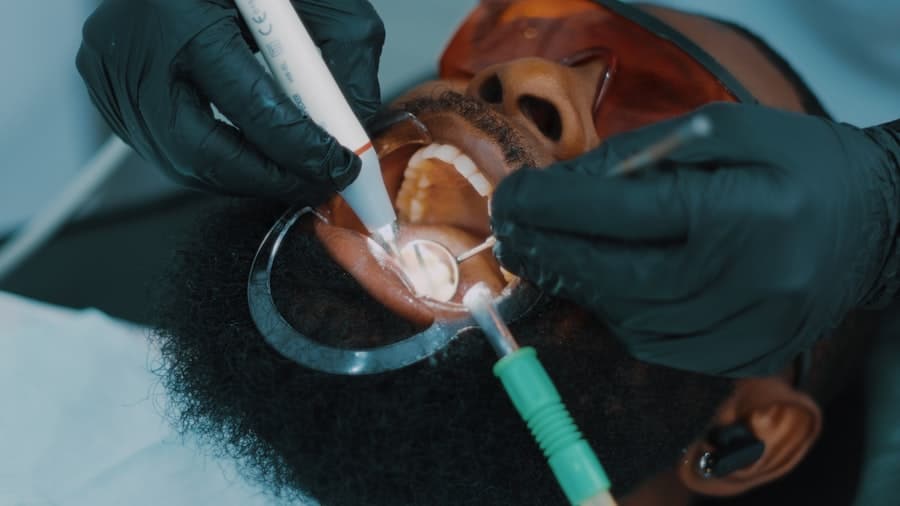
Good oral hygiene practices are crucial in preventing dental caries. Brushing your teeth at least twice a day with fluoride toothpaste is essential for removing plaque—a sticky film of bacteria that forms on your teeth. Flossing daily helps eliminate food particles and plaque from between your teeth where a toothbrush may not reach effectively.
Additionally, incorporating fluoride treatments or sealants can provide an extra layer of protection against decay.
Fluoride Treatments and Sealants
When it comes to treatment options for dental caries, early-stage decay may be reversible through remineralization techniques. Your dentist may recommend fluoride varnishes or dietary changes to help restore minerals to your enamel.
However, if decay has progressed beyond this stage, restorative treatments such as fillings or crowns may be necessary to repair damaged teeth.
Treatment Options for Dental Caries
Understanding these prevention and treatment strategies empowers you to take control of your oral health and reduce your risk of developing dental caries.
Empowering Oral Health
Complications of Untreated Dental Caries
Failing to address dental caries can lead to a host of complications that extend beyond mere tooth pain. One significant risk is the development of periodontal disease, which occurs when bacteria from untreated cavities spread below the gum line. This condition can result in gum inflammation, tooth mobility, and even tooth loss if left unchecked.
The connection between oral health and overall health underscores the importance of treating dental caries promptly. Moreover, untreated dental caries can lead to systemic health issues as bacteria enter the bloodstream through infected tissues. Research has shown links between poor oral health and conditions such as heart disease and diabetes.
By neglecting dental care, you not only jeopardize your oral health but also increase your risk for serious medical complications down the line. Recognizing these potential outcomes reinforces the need for regular check-ups and timely treatment.
Importance of Regular Dental Check-ups and Imaging
Regular dental check-ups are essential for maintaining optimal oral health and preventing issues like dental caries from escalating into more severe problems. During these visits, your dentist will conduct thorough examinations and utilize diagnostic imaging techniques to identify any signs of decay early on. By catching dental caries in their infancy, you can often avoid more invasive treatments and preserve your natural teeth.
Incorporating imaging into routine check-ups enhances your dentist’s ability to monitor changes in your oral health over time. These images provide a baseline for comparison during future visits, allowing for early intervention if new issues arise. By prioritizing regular dental appointments and imaging, you are taking proactive steps toward safeguarding your smile and overall well-being.
Your commitment to oral health not only benefits your teeth but also contributes positively to your overall quality of life.
If you are interested in learning more about oral health for different age groups, check out this informative article from Dentist in Near Me. Understanding how oral health needs change throughout different stages of life can help prevent issues like dental caries. Additionally, if you are in the Thornton, Colorado area and looking for dental care, be sure to visit Dentist in Near Me for quality services.
FAQs
What are dental caries?
Dental caries, also known as tooth decay or cavities, is a common oral health problem caused by the demineralization of the tooth enamel by acids produced by bacteria.
What causes dental caries?
Dental caries is primarily caused by the consumption of sugary and acidic foods and drinks, poor oral hygiene, and the presence of bacteria in the mouth.
What are the symptoms of dental caries?
Symptoms of dental caries may include toothache, tooth sensitivity, visible holes or pits in the teeth, and staining on the tooth surface.
How are dental caries diagnosed?
Dental caries can be diagnosed through a visual examination by a dentist, as well as through dental X-rays to detect cavities between the teeth.
How can dental caries be prevented?
Preventive measures for dental caries include regular brushing and flossing, reducing the consumption of sugary and acidic foods and drinks, and visiting the dentist for regular check-ups and cleanings.
What are the treatment options for dental caries?
Treatment for dental caries may include dental fillings, crowns, or root canal therapy, depending on the severity of the decay. In advanced cases, extraction of the affected tooth may be necessary.


