
Tooth decay, also known as dental caries or cavities, is a common dental issue that affects individuals of all ages. It occurs when the hard surface of your teeth, known as enamel, is damaged due to the action of bacteria in your mouth. These bacteria feed on sugars and carbohydrates from the food you consume, producing acids that erode the enamel over time.
If left untreated, tooth decay can lead to more severe dental problems, including infections, abscesses, and even tooth loss. Understanding the process of tooth decay is crucial for maintaining your oral health and preventing further complications. The progression of tooth decay typically begins with the formation of plaque, a sticky film of bacteria that forms on your teeth.
When you eat or drink sugary substances, the bacteria in plaque convert these sugars into acids. These acids can demineralize the enamel, leading to the formation of small holes or cavities. If you do not address these cavities promptly, they can deepen and affect the underlying layers of your teeth, such as the dentin and pulp.
This can result in pain, sensitivity, and more extensive dental work being required to restore your oral health.
Key Takeaways
- Tooth decay is the destruction of the tooth structure caused by acids made by bacteria in the mouth.
- The main causes of tooth decay include poor oral hygiene, sugary and acidic foods, and bacteria in the mouth.
- Symptoms of tooth decay can include toothache, sensitivity to hot or cold, visible holes or pits in the teeth, and bad breath.
- Preventing tooth decay involves regular brushing and flossing, reducing sugar intake, and visiting the dentist for regular check-ups.
- A diet high in sugar and carbohydrates can contribute to tooth decay, while a diet rich in fruits, vegetables, and calcium can help prevent it.
Causes of Tooth Decay
Several factors contribute to the development of tooth decay, and understanding these causes can help you take proactive measures to protect your teeth. One of the primary culprits is poor oral hygiene. If you neglect to brush and floss regularly, plaque can build up on your teeth, increasing the risk of decay.
Additionally, infrequent dental check-ups can prevent early detection and treatment of cavities, allowing them to worsen over time. Another significant factor is diet. Consuming a diet high in sugars and carbohydrates provides an ideal environment for bacteria to thrive.
Foods like candies, sodas, and even some starchy snacks can contribute to the acid production that leads to tooth decay. Furthermore, certain medical conditions and medications can affect saliva production, which plays a vital role in neutralizing acids in your mouth. A dry mouth can increase your susceptibility to cavities, making it essential to stay hydrated and maintain a balanced diet.
Symptoms of Tooth Decay
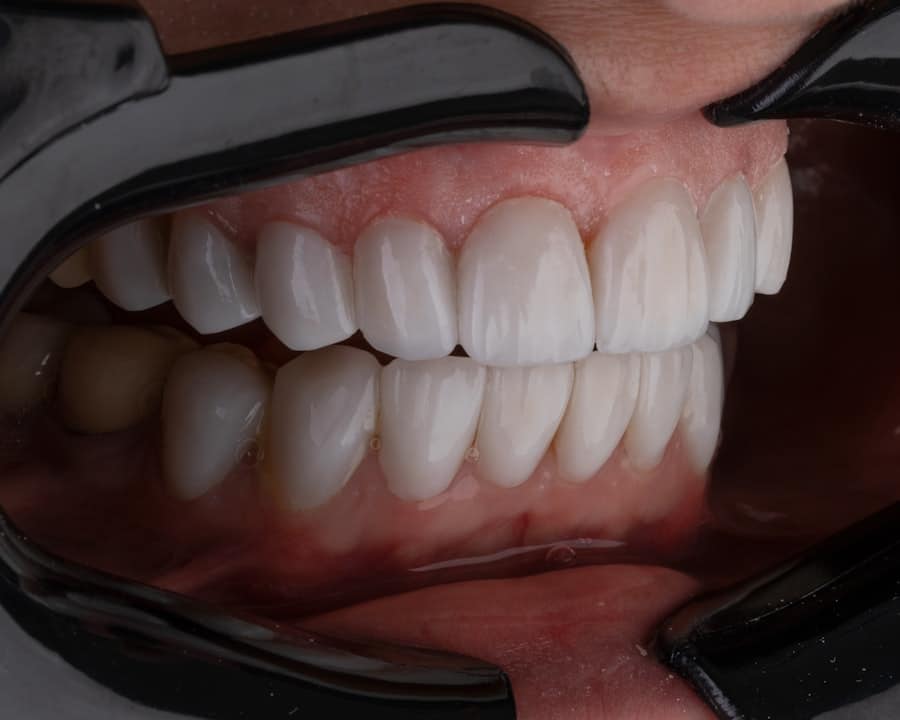
Recognizing the symptoms of tooth decay early on can make a significant difference in your treatment options and overall oral health. One of the first signs you may notice is increased sensitivity in your teeth, especially when consuming hot, cold, or sweet foods and beverages. This sensitivity occurs as the enamel wears away and exposes the underlying dentin, which contains nerve endings that react to temperature changes.
As tooth decay progresses, you may begin to see visible signs such as discoloration or dark spots on your teeth. These changes can indicate that a cavity has formed and requires attention. In more advanced stages, you might experience persistent pain or discomfort in the affected tooth, which could signal an infection or damage to the pulp.
If you notice any of these symptoms, it’s crucial to consult with a dental professional promptly to prevent further complications.
Preventing Tooth Decay
Preventing tooth decay is largely within your control, and adopting good oral hygiene practices is key to maintaining healthy teeth. Brushing your teeth at least twice a day with fluoride toothpaste helps remove plaque and food particles that contribute to decay. Flossing daily is equally important, as it cleans areas between your teeth that a toothbrush may miss.
Additionally, using an antibacterial mouthwash can help reduce plaque buildup and keep your mouth fresh. Regular dental check-ups are essential for early detection and prevention of tooth decay. Your dentist can identify potential issues before they become serious problems and provide professional cleanings to remove tartar buildup.
Moreover, consider discussing fluoride treatments with your dentist, as fluoride strengthens enamel and makes it more resistant to acid attacks. By incorporating these preventive measures into your routine, you can significantly reduce your risk of developing cavities.
Diet and Tooth Decay
Your diet plays a pivotal role in the health of your teeth and can either contribute to or help prevent tooth decay. Foods high in sugar are particularly harmful because they provide fuel for bacteria that produce acids leading to enamel erosion. It’s essential to be mindful of not only obvious sugary snacks but also hidden sugars found in processed foods and beverages.
Opting for healthier alternatives like fruits, vegetables, whole grains, and dairy products can help maintain your oral health. In addition to choosing healthier foods, timing matters when it comes to eating habits. Frequent snacking throughout the day can expose your teeth to acids for extended periods.
Instead of grazing on sugary snacks all day long, try to limit snacking and choose nutritious options when you do eat between meals. Drinking plenty of water can also help wash away food particles and neutralize acids in your mouth, further protecting your teeth from decay.
Natural Remedies for Tooth Decay

Introduction to Natural Remedies for Oral Health
While professional dental care is crucial for treating tooth decay, some natural remedies may help support your oral health and potentially slow down the progression of cavities. One popular remedy is oil pulling, which involves swishing oil (such as coconut oil) in your mouth for about 15-20 minutes daily. This practice may help reduce harmful bacteria in your mouth and promote overall oral hygiene.
Nutritional Support for Healthy Teeth
Another natural approach is incorporating foods rich in calcium and phosphorus into your diet. These minerals are essential for remineralizing enamel and strengthening your teeth. Dairy products like yogurt and cheese are excellent sources of calcium, while nuts and seeds provide both calcium and phosphorus.
Additional Dietary Considerations
Additionally, green leafy vegetables can contribute to a healthy diet that supports strong teeth. These vegetables are packed with nutrients that can help promote oral health and overall well-being.
Complementing Professional Dental Care
While these remedies may not replace professional treatment for existing cavities, they can complement your overall oral care routine. By combining natural remedies with regular dental check-ups and a healthy lifestyle, you can take a proactive approach to maintaining good oral health and preventing future cavities.
Professional Treatments for Tooth Decay
When tooth decay progresses beyond the point of prevention, professional treatment becomes necessary to restore your dental health. The most common treatment for cavities is dental fillings, where the decayed portion of the tooth is removed and filled with materials such as composite resin or amalgam. This procedure not only restores the tooth’s function but also prevents further decay by sealing off any openings where bacteria could enter.
In more severe cases where decay has reached the pulp of the tooth, a root canal may be required. During this procedure, the infected pulp is removed, and the interior of the tooth is cleaned and sealed. While root canals have a reputation for being painful, modern techniques and anesthesia make them much more manageable than they once were.
Afterward, a crown may be placed on the tooth to restore its shape and function fully.
Maintaining Oral Health
Maintaining good oral health goes beyond just preventing tooth decay; it encompasses a holistic approach to caring for your mouth and teeth. Establishing a consistent oral hygiene routine is vital—this includes brushing twice daily with fluoride toothpaste, flossing regularly, and using mouthwash as needed. Additionally, consider investing in an electric toothbrush that can provide a more thorough clean compared to manual brushing.
Regular visits to your dentist are equally important for maintaining oral health. These check-ups allow for professional cleanings that remove tartar buildup and provide an opportunity for early detection of any potential issues before they escalate into more significant problems. Furthermore, staying informed about changes in dental care recommendations can help you adapt your routine as needed.
By prioritizing both preventive measures and professional care, you can enjoy a lifetime of healthy smiles free from the burden of tooth decay.
If you are looking for a dentist in San Francisco, California, Chino Hills, California, or El Paso, Texas to help you with tooth decay, you may want to check out this article on dentistinnear.me. The article provides tips on how to prevent and treat tooth decay, as well as information on finding a qualified dentist in your area. It is a great resource for anyone looking to improve their oral health and maintain a beautiful smile.
FAQs
What is tooth decay?
Tooth decay, also known as dental caries or cavities, is the destruction of the hard tissues of the tooth caused by acids produced by bacteria in the mouth.
What are the causes of tooth decay?
Tooth decay is primarily caused by poor oral hygiene, consumption of sugary and acidic foods and drinks, and bacteria in the mouth.
How can tooth decay be prevented?
Tooth decay can be prevented by practicing good oral hygiene, such as brushing and flossing regularly, limiting sugary and acidic foods and drinks, and visiting the dentist for regular check-ups and cleanings.
What are the symptoms of tooth decay?
Symptoms of tooth decay may include toothache, tooth sensitivity, visible holes or pits in the teeth, and dark spots on the teeth.
Can tooth decay be reversed or cured?
Early stages of tooth decay can be reversed through remineralization by using fluoride toothpaste and mouthwash, and making dietary and lifestyle changes. However, advanced stages of tooth decay may require dental treatment such as fillings, crowns, or root canals.