Have you ever wondered if teeth whitening treatments can help with the discoloration caused by excessive fluoride exposure during childhood? This article explores the possibility of using teeth whitening methods to address this specific issue. By examining the effects of excessive fluoride exposure and the potential benefits of teeth whitening, we hope to provide some insights into a possible solution for those who have experienced discoloration from childhood fluoride exposure. Explore the topic with us as we investigate the link between teeth whitening and excessive fluoride exposure.
Understanding Excessive Fluoride Exposure During Childhood
What is excessive fluoride exposure?
Excessive fluoride exposure refers to an intake of fluoride that surpasses the recommended levels, leading to potential health risks. While fluoride is beneficial for dental health in appropriate amounts, excessive exposure to fluoride during childhood can have detrimental effects on teeth.
How does excessive fluoride exposure occur during childhood?
Children can be exposed to excessive amounts of fluoride through various sources such as drinking water, toothpaste, mouth rinses, and certain foods and beverages. Communities with fluoridated water supplies may inadvertently expose children to higher levels of fluoride if they consume excessive amounts of tap water or if their diet includes a high intake of fluoride-rich products.
What are the effects of excessive fluoride exposure on teeth?
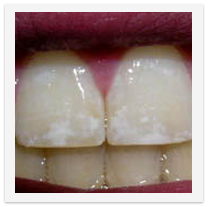
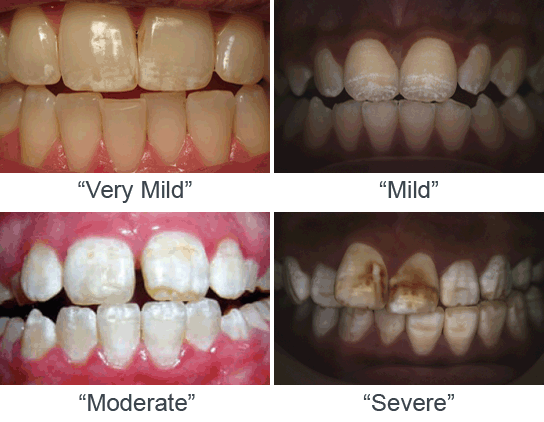
Excessive fluoride exposure during childhood can result in a condition known as dental fluorosis. This condition primarily affects the appearance of the teeth and can cause discoloration, ranging from mild white spots to severe brown stains. In more severe cases, the enamel of the teeth can become pitted or grooved.
Causes and Types of Teeth Discoloration
What causes teeth discoloration?
Teeth discoloration can occur due to various factors, including poor oral hygiene, certain medications, aging, and exposure to certain substances. Excessive fluoride exposure is a common cause of teeth discoloration, particularly during childhood. Other factors that can contribute to teeth discoloration include smoking, consuming dark-colored foods and beverages, and certain medical conditions.
Different types of teeth discoloration
Teeth discoloration can manifest in different ways depending on the underlying cause. It is important to differentiate between extrinsic staining, which affects the outer surface of the teeth, and intrinsic staining, which occurs within the tooth structure. Extrinsic staining is often caused by external factors such as food, beverages, and tobacco use, while intrinsic staining is typically a result of factors like excessive fluoride exposure or certain medications.
How does excessive fluoride exposure lead to teeth discoloration?
Excessive fluoride exposure leads to teeth discoloration by interfering with the normal mineralization process of the enamel. When fluoride intake exceeds the recommended levels, it can disrupt the balance between enamel formation and demineralization, resulting in the appearance of white spots, streaks, or brown stains on the teeth. This discoloration is a visible sign of dental fluorosis.
Teeth Whitening Methods
Overview of teeth whitening
Teeth whitening is a cosmetic procedure that aims to lighten the color of the teeth and improve their appearance. It involves the use of various techniques and products to remove stains and discoloration, ultimately resulting in a brighter smile. Teeth whitening can be performed at home using over-the-counter remedies or by a dental professional using professional-grade treatments.
At-home teeth whitening remedies
There are several at-home teeth whitening remedies available, including whitening toothpaste, whitening strips, and whitening trays with gel. These products typically contain a low concentration of hydrogen peroxide or carbamide peroxide, which help break down stains and lighten the color of the teeth. It is important to follow the instructions provided with these products and use them as directed to achieve the desired results.
Professional teeth whitening procedures
Professional teeth whitening procedures are performed by dental professionals and offer more effective and immediate results compared to at-home remedies. These procedures generally involve the application of a higher concentration of hydrogen peroxide or carbamide peroxide, often in combination with special light or heat sources to enhance the whitening effects. Professional teeth whitening can be done through in-office treatments or take-home kits provided by the dentist.
Effectiveness of Teeth Whitening for Fluoride-related Discoloration
Can teeth whitening correct fluoride-related discoloration?
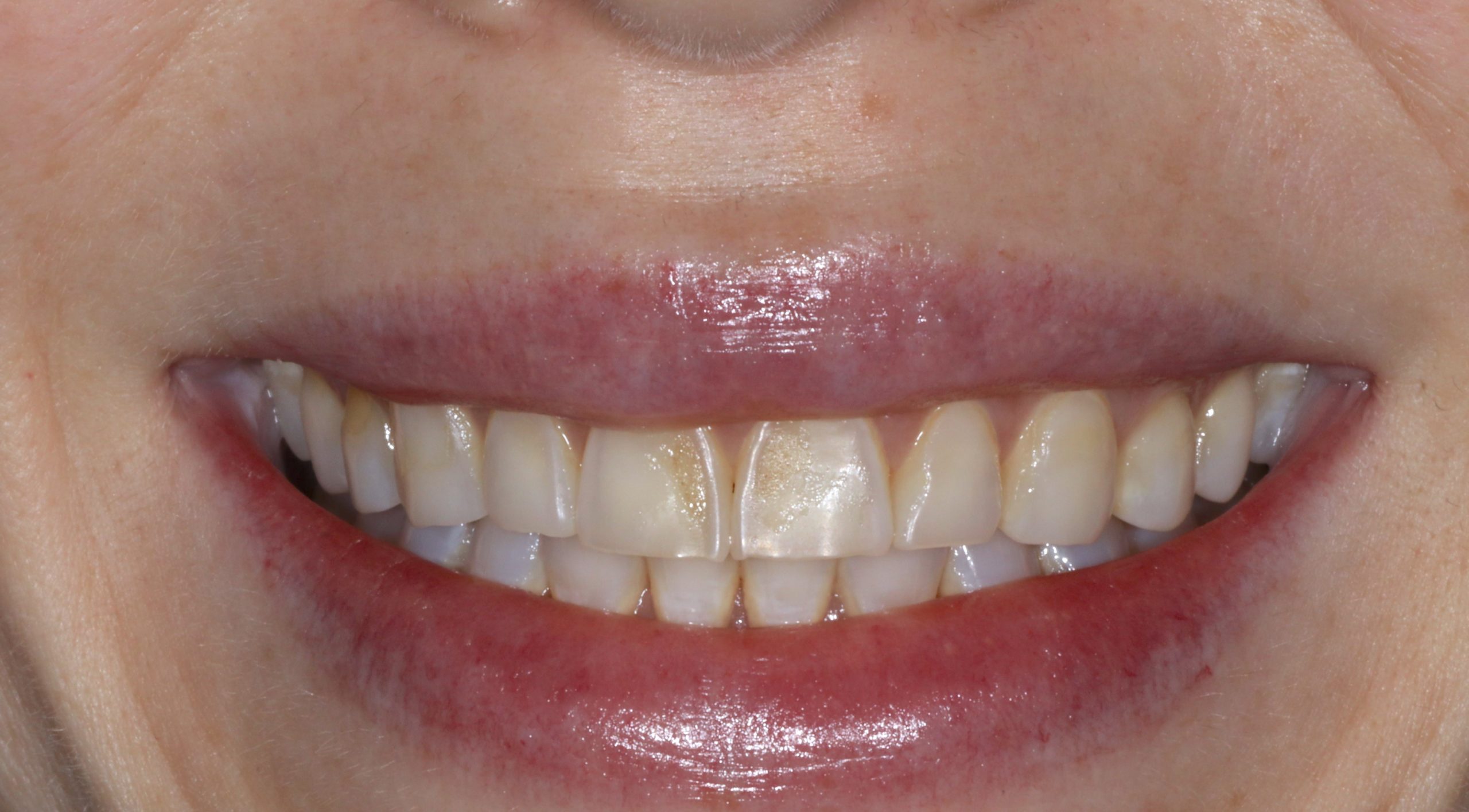
Teeth whitening treatments can be effective in improving the appearance of teeth affected by fluoride-related discoloration to some extent. However, the success of teeth whitening in these cases depends on the severity of the discoloration. Mild cases of dental fluorosis, characterized by faint white spots, often respond well to teeth whitening treatments. On the other hand, more severe discoloration, such as brown stains or pitted enamel, may be more challenging to address with teeth whitening alone.
Factors influencing the effectiveness of teeth whitening
The effectiveness of teeth whitening for fluoride-related discoloration can be influenced by various factors. These include the severity and type of discoloration, the underlying cause, the chosen whitening method, and the individual’s oral hygiene practices. It is important to consult with a dental professional to determine the most suitable teeth whitening approach and manage expectations regarding the potential outcome.
What to expect from teeth whitening treatments
Teeth whitening treatments can lead to noticeable improvements in the color and appearance of teeth affected by excessive fluoride exposure. However, it is important to remember that teeth whitening is not a permanent solution and may require maintenance over time. Additionally, not all cases of fluoride-related discoloration may respond equally well to teeth whitening, and alternative options may be considered for optimal results.
Potential Risks and Side Effects
Potential risks of teeth whitening
Teeth whitening, when performed correctly, is generally safe and minimally invasive. However, there are some potential risks associated with the procedure. These risks may include tooth sensitivity, gum irritation, and temporary increased tooth sensitivity. It is crucial to follow the instructions provided by the dental professional or the product manufacturer to minimize the risk of complications.
Side effects of teeth whitening treatments
Some common side effects of teeth whitening treatments include temporary tooth sensitivity, gum irritation or soreness, and mild tooth or gum sensitivity. These side effects are usually temporary and subside within a few days. However, if any severe or prolonged side effects are experienced, it is important to consult with a dental professional for proper assessment and guidance.
Prevention and Management of Excessive Fluoride Exposure
Preventive measures for excessive fluoride exposure
To prevent excessive fluoride exposure during childhood, it is important to monitor the sources of fluoride intake and ensure they are within the recommended levels. This includes using fluoride toothpaste in appropriate amounts, monitoring water sources for fluoride content, and promoting a balanced diet that avoids excessive fluoride-rich foods and beverages. Regular dental visits and consultations with a dental professional can also help identify and address any potential risks associated with fluoride exposure.
Treatment options for fluoride-related teeth discoloration
In cases where teeth discoloration occurs due to excessive fluoride exposure, treatment options may include teeth whitening, dental bonding, veneers, or other cosmetic dental procedures. The choice of treatment will depend on factors such as the severity and type of discoloration, the individual’s oral health, and personal preferences. Consulting with a dental professional is essential to determine the most suitable course of action.
Oral hygiene practices for maintaining white teeth
Maintaining good oral hygiene practices is crucial for preventing and managing teeth discoloration caused by excessive fluoride exposure. This includes brushing teeth twice daily with fluoridated toothpaste, flossing regularly, and using mouthwash to help remove plaque and prevent stains. Additionally, avoiding excessive consumption of staining foods and beverages, such as coffee, tea, and red wine, can help maintain the whiteness of the teeth.

Alternative Options for Addressing Teeth Discoloration
Non-whitening cosmetic dental procedures
In some cases, teeth discoloration caused by excessive fluoride exposure may not be effectively addressed through traditional teeth whitening methods alone. Non-whitening cosmetic dental procedures, such as dental bonding, veneers, or crowns, may be considered. These procedures involve the application of a material that matches the color of the natural teeth, improving their appearance and concealing any discoloration.
Lifestyle changes for minimizing teeth discoloration
In addition to professional dental treatments, making certain lifestyle changes can help minimize teeth discoloration caused by excessive fluoride exposure. This includes reducing or eliminating the consumption of foods and beverages known to stain the teeth, quitting smoking, practicing good oral hygiene habits, and regularly visiting a dental professional for cleanings and check-ups. These adjustments can contribute to sustaining a brighter and healthier smile.
Consulting with a Dental Professional
The importance of consulting a dental professional
Consulting with a dental professional is crucial when addressing teeth discoloration caused by excessive fluoride exposure. A dental professional can assess the severity and type of discoloration, provide appropriate treatment options, and guide individuals on the most effective approach for their specific situation. They can also offer valuable advice and instructions on maintaining oral hygiene and preventing further discoloration.
What to discuss with the dentist
During a consultation with a dental professional, it is important to discuss the history of excessive fluoride exposure, any concerns about teeth discoloration, and desired outcomes. Individuals should also inform the dentist about any allergies, sensitivities, or existing dental conditions to ensure a safe and effective treatment plan. Asking questions about the recommended treatment options, potential risks, and expected results is also crucial for making informed decisions.
Finding a qualified dental professional
To ensure the highest quality of care, it is essential to find a qualified dental professional for addressing teeth discoloration caused by excessive fluoride exposure. Seeking recommendations from family, friends, or trusted healthcare providers can be a good starting point. Additionally, researching and reading reviews about local dentists, checking their credentials and experience, and scheduling initial consultations can help individuals find a dental professional who meets their needs.

Cost Considerations
The cost of teeth whitening treatments
The cost of teeth whitening treatments can vary depending on several factors, including the chosen method, the severity of the discoloration, and the geographical location. At-home teeth whitening remedies are generally more affordable compared to professional treatments performed by a dental professional. Professional in-office teeth whitening procedures or take-home kits provided by the dentist may involve higher costs but often yield more effective and longer-lasting results.
Insurance coverage for teeth whitening
In most cases, teeth whitening procedures performed for cosmetic reasons, including those related to fluoride-related discoloration, are not covered by dental insurance plans. Insurance companies typically consider teeth whitening as an elective procedure and do not provide coverage. However, it is important to check with the insurance provider to understand the specifics of the dental plan and whether any exceptions or coverage options are available.
Conclusion
Excessive fluoride exposure during childhood can cause teeth discoloration, which can be unsightly and impact an individual’s self-confidence. Teeth whitening treatments can help improve the appearance of fluoride-related discoloration to some extent, depending on the severity and type of discoloration. However, it is important to consult with a dental professional to determine the most suitable treatment options and manage expectations. Preventive measures, proper oral hygiene practices, and lifestyle changes also play a significant role in maintaining white teeth and preventing further discoloration. Consulting with a dental professional and finding a qualified provider is essential for effective and safe treatment. While the cost of teeth whitening treatments may vary, it is important to keep in mind that insurance coverage for cosmetic procedures is often limited.