Navigating the complexities of Medicare can be a daunting task, especially when it comes to understanding what dental procedures are covered. Medicare, primarily designed to provide health insurance for individuals aged 65 and older, has specific guidelines regarding dental care. While it covers a wide range of medical services, dental coverage is notably limited.
You may find that routine dental care, such as cleanings, fillings, and extractions, is not included in your Medicare plan. This lack of coverage can lead to confusion and frustration, particularly if you require dental work that is essential for your overall health. It’s important to recognize that Medicare does not typically cover dental procedures unless they are deemed medically necessary.
This means that if you need a dental procedure that is directly related to a medical condition or treatment, there may be some coverage available. For instance, if you have a dental issue that complicates a medical condition, such as an infection that could affect your heart, Medicare might step in to help with the costs. Understanding these nuances can empower you to make informed decisions about your dental health and financial planning.
Key Takeaways
- Medicare does not typically cover routine dental procedures, but may cover medically necessary dental treatments in certain situations.
- Dental crowns and bridges are common dental procedures used to restore damaged or missing teeth.
- There is a distinction between cosmetic dental procedures, which are not typically covered by Medicare, and medically necessary procedures, which may be covered in certain cases.
- Medicare coverage for medically necessary dental crowns and bridges may be available if the procedures are deemed essential for the overall health of the individual.
- Medicare has limitations on coverage for cosmetic dental procedures, but individuals have options for supplemental dental coverage to help with these costs.
What are Dental Crowns and Bridges?
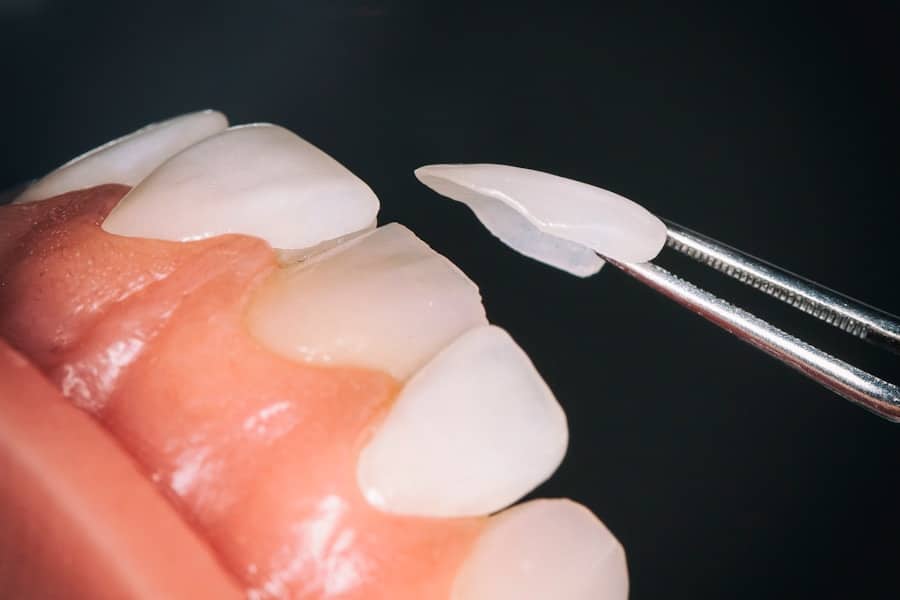
Dental crowns and bridges are common restorative procedures designed to improve both the function and appearance of your teeth. A dental crown is essentially a cap placed over a damaged tooth to restore its shape, size, strength, and appearance. Crowns can be made from various materials, including porcelain, metal, or a combination of both.
If you have a tooth that is severely decayed or has been broken, a crown can provide the necessary support and protection, allowing you to maintain your natural tooth structure. On the other hand, dental bridges are used to replace one or more missing teeth by anchoring artificial teeth to adjacent natural teeth or implants. A bridge consists of two or more crowns on either side of the gap and a false tooth in between.
This procedure not only restores your smile but also helps maintain the shape of your face and prevents other teeth from shifting into the empty space. Understanding these procedures can help you assess your dental needs and discuss options with your dentist.
The Difference Between Cosmetic and Medically Necessary Dental Procedures

When considering dental work, it’s crucial to differentiate between cosmetic and medically necessary procedures. Cosmetic dentistry focuses on improving the appearance of your teeth, gums, and smile. Procedures such as teeth whitening, veneers, and cosmetic crowns fall under this category.
While these treatments can significantly enhance your smile and boost your confidence, they are often not covered by Medicare or most insurance plans because they are not deemed essential for health. Conversely, medically necessary dental procedures are those required to treat or prevent oral health issues that could lead to more serious health problems. For example, if you have a tooth that is infected or damaged due to decay, a root canal or extraction may be considered medically necessary.
Understanding this distinction is vital when planning your dental care and budgeting for potential expenses. It can also help you communicate effectively with your healthcare provider about what treatments may be covered under your Medicare plan.
Medicare Coverage for Medically Necessary Dental Crowns and Bridges
If you find yourself in need of dental crowns or bridges due to a medical condition, you may be relieved to know that Medicare does offer some coverage for these procedures under specific circumstances. For instance, if your dentist determines that a crown is necessary to treat a tooth that has been severely damaged or infected, Medicare may cover part of the cost associated with the procedure. However, it’s essential to ensure that the treatment aligns with Medicare’s guidelines for medical necessity.
To qualify for coverage, your dentist will need to provide documentation supporting the need for the procedure based on your overall health condition. This may include X-rays or other diagnostic tests that demonstrate the severity of the issue. While Medicare coverage can alleviate some financial burdens associated with medically necessary crowns and bridges, it’s important to be aware that you may still be responsible for out-of-pocket costs such as deductibles and copayments.
Limitations of Medicare Coverage for Cosmetic Dental Procedures
While Medicare provides some coverage for medically necessary dental procedures, it falls short when it comes to cosmetic dentistry. If you’re considering dental work purely for aesthetic reasons—such as whitening your teeth or getting veneers—Medicare will not cover these expenses. This limitation can be frustrating if you’re looking to enhance your smile but are concerned about the costs involved.
The rationale behind this lack of coverage is rooted in Medicare’s focus on essential health care services rather than elective procedures. As a result, many individuals find themselves facing significant out-of-pocket expenses for cosmetic treatments. Understanding these limitations can help you set realistic expectations regarding what Medicare will cover and encourage you to explore alternative financing options if you’re interested in pursuing cosmetic enhancements.
Options for Supplemental Dental Coverage
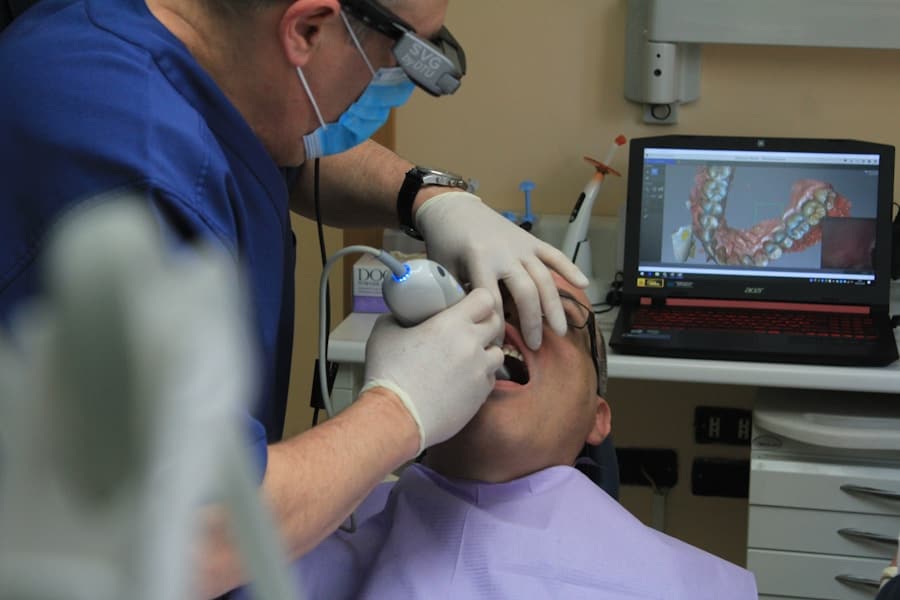
Given the limitations of Medicare regarding dental coverage, many individuals opt for supplemental dental insurance plans to help offset costs associated with both medically necessary and cosmetic procedures. These plans can vary widely in terms of coverage options, premiums, and out-of-pocket expenses. When considering supplemental coverage, it’s essential to evaluate your specific dental needs and budget.
Some supplemental plans may offer comprehensive coverage for routine check-ups, cleanings, and even cosmetic procedures like crowns and bridges. Others may focus primarily on emergency care or specific treatments. By researching different plans and comparing their benefits, you can find one that aligns with your dental health goals while providing financial protection against unexpected expenses.
Alternatives to Medicare for Cosmetic Dental Procedures
If you’re seeking cosmetic dental procedures but find that Medicare won’t cover them, there are several alternatives you can explore. Many dental practices offer financing options that allow you to pay for treatments over time rather than in one lump sum. These payment plans can make cosmetic dentistry more accessible by breaking down costs into manageable monthly payments.
Additionally, some dental schools offer reduced-cost services performed by students under professional supervision. While this option may require more time and patience, it can provide significant savings on cosmetic procedures without sacrificing quality care. Exploring these alternatives can help you achieve the smile you desire without straining your finances.
Considering the Cost of Dental Crowns and Bridges for Cosmetic Purposes
When contemplating dental crowns and bridges for cosmetic purposes, it’s crucial to consider the associated costs carefully. The price of these procedures can vary significantly based on factors such as the materials used, the complexity of the case, and the geographic location of the dental practice. On average, you might expect to pay anywhere from $800 to $3,000 per crown or bridge.
While investing in your smile can yield long-term benefits in terms of confidence and self-esteem, it’s essential to weigh these costs against your budget and financial situation. If you’re considering cosmetic crowns or bridges, obtaining multiple quotes from different providers can help you find a competitive price while ensuring quality care. Ultimately, understanding the financial implications will empower you to make informed decisions about your dental health journey.
If you are considering getting dental crowns or bridges for cosmetic purposes and are wondering if Medicare will cover the cost, you may want to check out this article on dentistinnear.me. This article provides information on the different options available for dental coverage under Medicare and whether or not cosmetic procedures like crowns or bridges are included. It also offers insights on how to navigate the complexities of dental insurance and find affordable options for your dental needs.
FAQs
What is Medicare?
Medicare is a federal health insurance program in the United States that primarily provides coverage for individuals aged 65 and older, as well as some younger individuals with disabilities.
What are dental crowns and bridges?
Dental crowns are tooth-shaped caps that are placed over a tooth to restore its shape, size, strength, and appearance. Dental bridges are used to replace one or more missing teeth by bridging the gap between two teeth.
Does Medicare cover the cost of dental crowns or bridges for cosmetic purposes?
No, Medicare does not typically cover the cost of dental crowns or bridges for cosmetic purposes. Medicare generally only covers dental services that are necessary for the health of your teeth, such as those related to a medical condition or injury.
Are there any circumstances in which Medicare might cover the cost of dental crowns or bridges?
In some cases, Medicare may cover the cost of dental crowns or bridges if they are deemed medically necessary, such as for the restoration of a tooth that has been damaged due to an accident or injury.
What are some alternative options for coverage of dental crowns or bridges?
Individuals seeking coverage for dental crowns or bridges for cosmetic purposes may want to consider purchasing a separate dental insurance plan or exploring options for dental discount plans. Additionally, some Medicare Advantage plans may offer coverage for certain dental services.