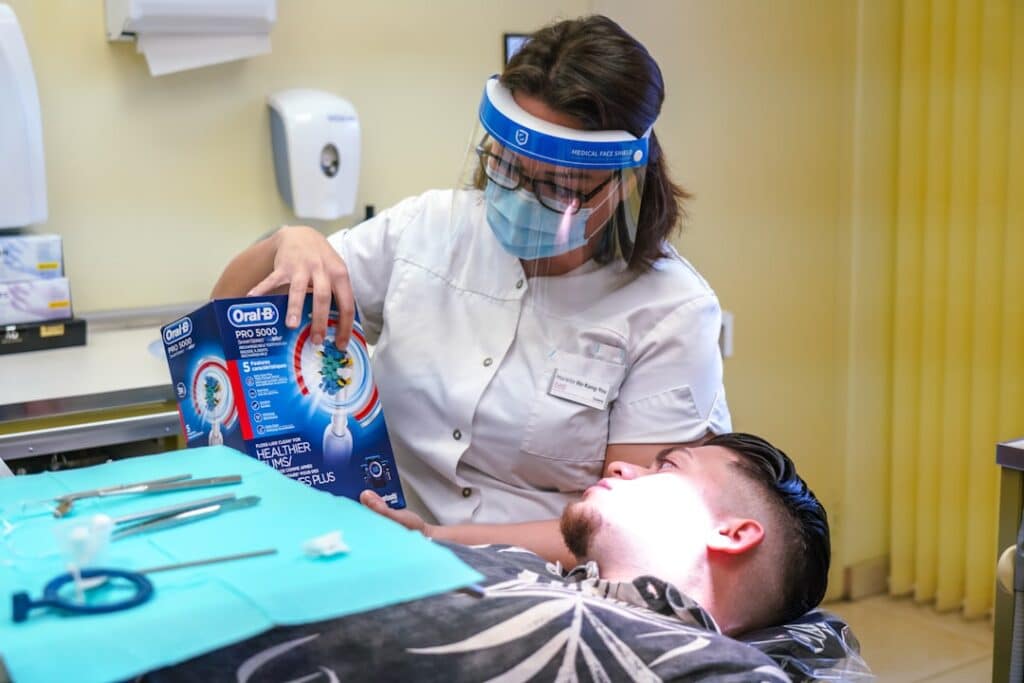
Gum disease, also known as periodontal disease, is a common yet often overlooked condition that affects the tissues surrounding your teeth. It begins with the accumulation of plaque, a sticky film of bacteria that forms on your teeth. If not removed through regular brushing and flossing, this plaque can harden into tartar, leading to inflammation of the gums, known as gingivitis.
You may notice symptoms such as redness, swelling, and bleeding when you brush or floss. If left untreated, gingivitis can progress to periodontitis, a more severe form of gum disease that can result in tooth loss and other serious health issues. Understanding the stages of gum disease is crucial for recognizing its signs early.
In the initial stage, gingivitis, you might experience mild discomfort and sensitivity. However, as the condition progresses to periodontitis, you may face more severe symptoms, including persistent bad breath, receding gums, and even loose teeth. The connection between gum disease and overall health is significant; research has shown that it can contribute to systemic conditions such as heart disease and diabetes.
Therefore, being aware of the risks and symptoms associated with gum disease is essential for maintaining not only your oral health but your overall well-being.
Key Takeaways
- Gum disease is a common condition caused by bacteria in plaque that can lead to inflammation and infection of the gums.
- Treating gum disease at home is important for preventing it from progressing to more severe stages and causing permanent damage to the gums and teeth.
- Proper oral hygiene, including regular brushing, flossing, and using an antiseptic mouthwash, is essential for treating gum disease at home.
- Natural remedies such as oil pulling, saltwater rinses, and herbal mouthwashes can help reduce inflammation and promote healing of the gums.
- Over-the-counter products like antibacterial toothpaste, fluoride mouthwash, and interdental brushes can aid in treating gum disease and preventing it from recurring.
Importance of Treating Gum Disease at Home
Taking proactive steps to treat gum disease at home is vital for preventing its progression and maintaining your oral health. By addressing the issue early on, you can avoid more invasive treatments and potential complications down the line. Home care allows you to take control of your dental hygiene routine, ensuring that you are actively working to combat the bacteria that cause gum disease.
This empowerment can lead to better oral health outcomes and a greater sense of responsibility for your well-being. Moreover, treating gum disease at home can be both cost-effective and convenient. Regular dental visits can be expensive and time-consuming, but by implementing effective home care strategies, you can reduce the frequency of these visits while still managing your gum health.
Simple practices such as consistent brushing and flossing can significantly impact your gum health. Additionally, incorporating natural remedies and over-the-counter products can enhance your efforts, making it easier to maintain healthy gums without breaking the bank.
Proper Oral Hygiene for Treating Gum Disease

Establishing a proper oral hygiene routine is fundamental in treating and preventing gum disease. You should aim to brush your teeth at least twice a day using a fluoride toothpaste. When brushing, focus on gentle circular motions to effectively remove plaque without damaging your gums.
It’s also essential to replace your toothbrush every three to four months or sooner if the bristles become frayed. A soft-bristled toothbrush is often recommended for those with sensitive gums, as it can clean effectively without causing irritation. Flossing is another critical component of your oral hygiene routine.
Many people overlook this step, but it is essential for removing food particles and plaque from between your teeth and along the gum line where your toothbrush may not reach. You should floss at least once a day, ideally before bedtime. If traditional floss is challenging for you to use, consider alternatives such as floss picks or water flossers, which can make the process easier and more effective.
By committing to these practices consistently, you can significantly reduce your risk of developing gum disease or help reverse its early stages.
Natural Remedies for Gum Disease
In addition to proper oral hygiene, you may want to explore natural remedies that can support your efforts in treating gum disease. One popular option is saltwater rinses, which can help reduce inflammation and promote healing in your gums. To create a saltwater rinse, simply dissolve half a teaspoon of salt in a glass of warm water and swish it around in your mouth for about 30 seconds before spitting it out.
This simple remedy can provide relief from discomfort while also helping to kill bacteria. Another natural remedy worth considering is the use of essential oils such as tea tree oil or peppermint oil. These oils possess antibacterial properties that can help combat the bacteria responsible for gum disease.
You can add a few drops of essential oil to your toothpaste or dilute it with a carrier oil and apply it directly to your gums. However, it’s important to use these oils cautiously and consult with a healthcare professional if you have any concerns about their use. Incorporating these natural remedies into your routine can complement your oral hygiene practices and contribute to healthier gums.
Over-the-Counter Products for Treating Gum Disease
In addition to natural remedies, there are numerous over-the-counter products designed specifically for treating gum disease. Mouthwashes containing antibacterial ingredients like chlorhexidine or cetylpyridinium chloride can help reduce plaque buildup and soothe inflamed gums. When selecting a mouthwash, look for products that are alcohol-free to avoid further irritation of your gums.
Another effective option is the use of specialized toothpaste formulated for gum health. These toothpastes often contain ingredients that target plaque and tartar buildup while promoting gum healing. You should look for products that have received approval from dental associations, as this ensures they meet specific efficacy standards.
By incorporating these over-the-counter products into your daily routine, you can enhance your efforts in managing gum disease and support your overall oral health.
Lifestyle Changes for Managing Gum Disease

Making certain lifestyle changes can significantly impact your ability to manage gum disease effectively. One of the most important changes you can make is to adopt a balanced diet rich in vitamins and minerals that support oral health. Foods high in vitamin C, such as citrus fruits and leafy greens, are particularly beneficial for maintaining healthy gums.
Additionally, incorporating foods rich in omega-3 fatty acids, like fish and walnuts, may help reduce inflammation in the body, including the gums. Quitting smoking is another crucial lifestyle change that can improve your gum health dramatically. Smoking weakens your immune system and makes it harder for your body to fight off infections, including those affecting your gums.
If you smoke or use tobacco products, seeking support to quit can lead to significant improvements in both your oral health and overall well-being. By making these lifestyle adjustments, you can create an environment conducive to healing and maintaining healthy gums.
When to Seek Professional Help for Gum Disease
While home care is essential for managing gum disease, there are times when seeking professional help becomes necessary. If you notice persistent symptoms such as swollen or bleeding gums despite maintaining a diligent oral hygiene routine, it’s crucial to consult with a dentist or periodontist. They can assess the severity of your condition and recommend appropriate treatments tailored to your needs.
Additionally, if you experience more severe symptoms like loose teeth or persistent bad breath that doesn’t improve with home care efforts, don’t hesitate to seek professional assistance. Early intervention is key in preventing further complications associated with advanced gum disease. Your dental professional can provide deep cleaning treatments such as scaling and root planing or recommend surgical options if necessary.
Remember that prioritizing your oral health by seeking help when needed is an essential part of managing gum disease effectively.
Preventing Gum Disease from Recurring
Preventing gum disease from recurring requires a commitment to maintaining good oral hygiene practices long after you’ve successfully treated it. Regular dental check-ups are vital; visiting your dentist every six months allows for professional cleanings and early detection of any potential issues before they escalate into more serious problems. In addition to regular check-ups, continue practicing proper brushing and flossing techniques daily.
Staying informed about new dental products or techniques that may enhance your oral care routine can also be beneficial. Furthermore, consider incorporating stress management techniques into your lifestyle; stress has been linked to various health issues, including gum disease. By taking proactive steps toward prevention and remaining vigilant about your oral health, you can significantly reduce the risk of gum disease returning in the future.
In conclusion, understanding gum disease and its implications is crucial for maintaining optimal oral health. By prioritizing home care through proper hygiene practices, natural remedies, over-the-counter products, lifestyle changes, and seeking professional help when necessary, you empower yourself to manage this condition effectively. With dedication and awareness, you can prevent gum disease from recurring and enjoy a healthier smile for years to come.
If you are looking for more information on how to treat gum disease at home, you may want to check out this article on dentistinnear.me. This article provides tips and advice on how to improve your oral health and prevent gum disease from progressing. It is important to take care of your gums to maintain overall oral health and prevent more serious dental issues in the future.
FAQs
What is gum disease?
Gum disease, also known as periodontal disease, is an infection of the tissues that surround and support your teeth. It is caused by plaque, a sticky film of bacteria that forms on teeth.
What are the symptoms of gum disease?
Symptoms of gum disease include swollen, tender or bleeding gums, persistent bad breath, loose teeth, and receding gums.
What is the best way to treat gum disease at home?
The best way to treat gum disease at home is to practice good oral hygiene, including brushing your teeth at least twice a day, flossing daily, and using an antiseptic mouthwash. Additionally, eating a balanced diet and avoiding tobacco products can help prevent and treat gum disease.
Can gum disease be reversed at home?
In its early stages, gum disease can be reversed at home through proper oral hygiene and regular dental cleanings. However, advanced gum disease may require professional treatment.
When should I see a dentist for gum disease?
If you are experiencing symptoms of gum disease, such as swollen or bleeding gums, it is important to see a dentist for an evaluation and appropriate treatment. Additionally, regular dental check-ups can help prevent and detect gum disease early.