

When you think about diabetes, your mind might immediately go to blood sugar levels, insulin resistance, or the risk of complications like neuropathy and retinopathy. However, one often-overlooked aspect of diabetes is its connection to oral health, particularly bad breath. Bad breath, or halitosis, can be a common issue for individuals living with diabetes, and understanding this link is crucial for effective management.
The relationship between diabetes and bad breath is multifaceted, involving metabolic changes, oral hygiene practices, and even dietary choices. As a person with diabetes, you may find that fluctuations in your blood sugar levels can lead to changes in your breath. When blood sugar levels are poorly controlled, your body may enter a state of ketosis, where it begins to break down fat for energy instead of glucose.
This process produces ketones, which can emit a fruity or acetone-like odor that is often mistaken for bad breath. Additionally, the presence of high glucose levels in saliva can create an environment conducive to bacterial growth, further exacerbating the issue. Recognizing these connections can empower you to take proactive steps in managing both your diabetes and your oral health.
Key Takeaways
- Bad breath can be linked to diabetes due to high blood sugar levels and poor oral hygiene
- Causes of bad breath in people with diabetes include dry mouth, gum disease, and oral infections
- Diabetes can affect oral health by increasing the risk of gum disease and slowing down the healing process
- Managing bad breath in people with diabetes involves maintaining good oral hygiene and controlling blood sugar levels
- Regular dental check-ups are important for people with diabetes to prevent and manage oral health issues
Causes of bad breath in people with diabetes
Several factors contribute to the prevalence of bad breath among individuals with diabetes. One primary cause is dry mouth, or xerostomia, which can occur due to high blood sugar levels or as a side effect of certain medications used to manage diabetes. Saliva plays a vital role in maintaining oral hygiene by washing away food particles and neutralizing acids produced by bacteria.
When saliva production decreases, the mouth becomes a breeding ground for bacteria, leading to foul odors. Another significant factor is gum disease, which is more common in people with diabetes due to compromised immune function and poor blood circulation. Gum disease can cause inflammation and infection in the gums, resulting in bad breath.
If you have diabetes, you may be at a higher risk for periodontal disease, which can further complicate your oral health and contribute to persistent halitosis. Understanding these causes can help you identify potential issues early on and take steps to mitigate them.
How diabetes affects oral health
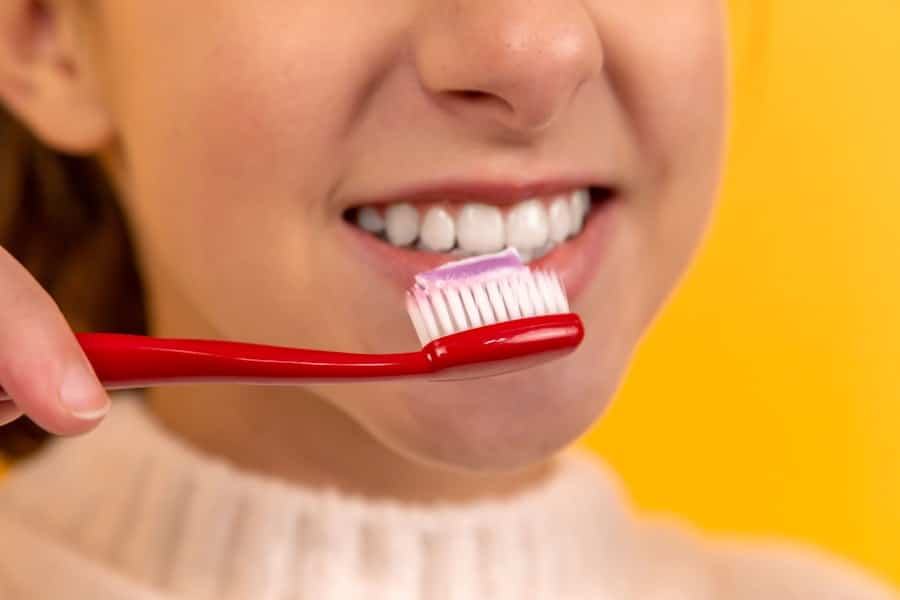
Diabetes can have a profound impact on your oral health beyond just bad breath. High blood sugar levels can lead to an increased risk of infections in the mouth, including gum disease and thrush, a fungal infection that can cause white patches and discomfort. These infections not only contribute to bad breath but can also lead to more severe complications if left untreated.
Furthermore, the inflammatory response triggered by diabetes can exacerbate existing oral health issues, creating a vicious cycle that is difficult to break. Additionally, individuals with diabetes may experience changes in taste perception and a higher likelihood of developing cavities due to dry mouth and elevated glucose levels in saliva. These factors can make it challenging to maintain good oral hygiene practices, leading to further deterioration of oral health.
As you navigate your diabetes management plan, it’s essential to prioritize your oral health as well, recognizing that the two are intricately linked.
Tips for managing bad breath in people with diabetes
Managing bad breath as a person with diabetes involves a combination of good oral hygiene practices and lifestyle adjustments. First and foremost, maintaining a consistent oral care routine is essential. This includes brushing your teeth at least twice a day with fluoride toothpaste and flossing daily to remove food particles and plaque buildup.
You might also consider using an antibacterial mouthwash to help reduce bacteria in your mouth. Staying hydrated is another crucial aspect of managing bad breath. Drinking plenty of water throughout the day can help combat dry mouth and promote saliva production.
If you find that your medications contribute to dry mouth, discuss this with your healthcare provider; they may be able to adjust your treatment plan or recommend saliva substitutes. Additionally, chewing sugar-free gum or sucking on sugar-free mints can stimulate saliva flow and provide temporary relief from bad breath.
Importance of regular dental check-ups for people with diabetes
Regular dental check-ups are vital for everyone, but they hold particular significance for individuals with diabetes. These appointments allow your dentist to monitor your oral health closely and identify any potential issues before they escalate into more serious problems. During these visits, your dentist can assess your gum health, check for signs of decay or infection, and provide professional cleanings that help remove plaque and tartar buildup.
Moreover, maintaining open communication with your dental care provider about your diabetes management is essential. They can tailor their recommendations based on your specific needs and help you develop an effective oral care plan that complements your overall health strategy. By prioritizing regular dental visits, you not only safeguard your oral health but also contribute to better management of your diabetes.
Foods and drinks to avoid for better breath in people with diabetes

Your diet plays a significant role in managing both diabetes and bad breath. Certain foods and drinks can exacerbate halitosis or negatively impact your blood sugar levels. For instance, sugary snacks and beverages can promote bacterial growth in the mouth while also causing spikes in blood glucose levels.
It’s wise to limit your intake of sugary foods and opt for healthier alternatives that are low in sugar and high in fiber. Additionally, certain foods known for their strong odors—such as garlic and onions—can linger on your breath long after consumption. While these foods may have health benefits, you might want to consume them in moderation or pair them with fresh herbs like parsley or mint that can help neutralize odors.
Staying mindful of what you eat can significantly improve your breath while also supporting better blood sugar control.
Home remedies for controlling bad breath in people with diabetes
In addition to maintaining good oral hygiene practices and being mindful of your diet, there are several home remedies you can try to help control bad breath associated with diabetes. One effective remedy is rinsing your mouth with a mixture of water and baking soda. Baking soda acts as a natural deodorizer and can help neutralize odors caused by bacteria in the mouth.
Another option is using apple cider vinegar as a mouth rinse due to its antibacterial properties. Dilute one tablespoon of apple cider vinegar in a glass of water and swish it around in your mouth before spitting it out. This remedy not only helps combat bad breath but may also aid in balancing blood sugar levels when consumed diluted before meals.
However, be cautious with acidic solutions; excessive use may erode tooth enamel over time.
Seeking professional help for persistent bad breath in people with diabetes
If you find that despite your best efforts, bad breath persists, it may be time to seek professional help. Persistent halitosis could indicate underlying issues that require attention from a healthcare provider or dental professional. Conditions such as gum disease, tooth decay, or even systemic issues related to poorly managed diabetes may be contributing factors that need addressing.
Your dentist or doctor can conduct thorough examinations and recommend appropriate treatments based on their findings. They may suggest specialized cleaning procedures or adjustments to your diabetes management plan that could alleviate the problem. Remember that seeking help is not just about improving your breath; it’s about taking charge of your overall health and well-being as someone living with diabetes.
In conclusion, understanding the connection between bad breath and diabetes is essential for effective management of both conditions. By recognizing the causes of halitosis related to diabetes, prioritizing oral health through regular check-ups, making informed dietary choices, and utilizing home remedies when necessary, you can take proactive steps toward better breath and overall health. Don’t hesitate to seek professional guidance if needed; taking charge of your oral health is an integral part of living well with diabetes.
If you are looking for more information on how diabetes can affect your oral health, check out this article from Grand Junction, Colorado. It discusses the connection between diabetes and gum disease, as well as the importance of regular dental check-ups for those with diabetes. Taking care of your oral health is crucial in managing diabetes and preventing complications such as bad breath.
FAQs
What is the connection between bad breath and diabetes?
Bad breath can be a symptom of uncontrolled diabetes. When blood sugar levels are not properly managed, it can lead to a condition called ketoacidosis, which causes the body to produce ketones. These ketones can cause a fruity or acetone-like odor on the breath.
How does diabetes contribute to bad breath?
Diabetes can lead to dry mouth, which can contribute to bad breath. Additionally, the presence of high levels of glucose in the saliva can create an environment for bacteria to thrive, leading to an unpleasant odor.
Can bad breath be a sign of undiagnosed diabetes?
Yes, bad breath can be a sign of undiagnosed diabetes. If someone experiences persistent bad breath along with other symptoms such as frequent urination, increased thirst, and unexplained weight loss, it is important to see a healthcare professional for evaluation.
How can bad breath related to diabetes be managed?
Managing diabetes through proper medication, diet, and exercise can help control blood sugar levels and reduce the likelihood of experiencing bad breath. Additionally, practicing good oral hygiene, staying hydrated, and using sugar-free gum or mints can help alleviate bad breath associated with diabetes.


