
You may not realize it, but the health of your stomach can significantly influence your breath. Bad breath, or halitosis, is often perceived as a superficial issue, but it can be a symptom of deeper gastrointestinal problems. When your digestive system is not functioning optimally, it can lead to the production of foul-smelling gases that escape through your mouth.
This connection between your stomach and your breath is rooted in the complex interplay of digestion, bacteria, and the foods you consume. When food is not properly digested, it can ferment in your stomach and intestines, leading to the release of volatile sulfur compounds. These compounds are notorious for their unpleasant odor and can be a primary cause of bad breath.
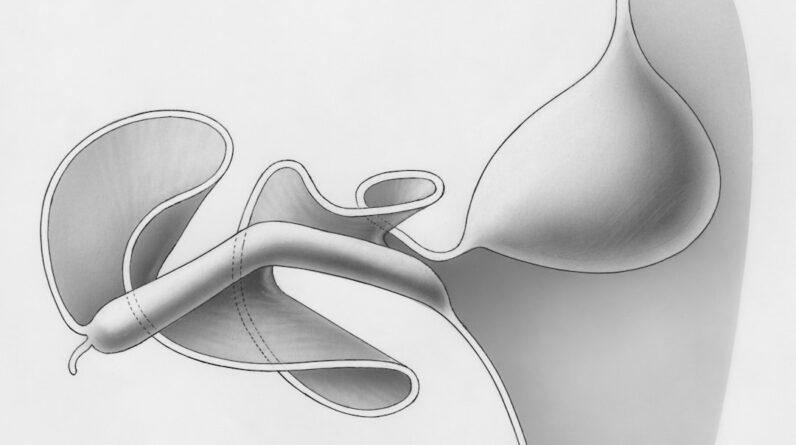
Additionally, conditions such as acid reflux or gastroesophageal reflux disease (GERD) can exacerbate this issue. The backflow of stomach acids into your esophagus can create an environment that promotes bad breath, making it essential to understand how your digestive health directly impacts your oral freshness.
Key Takeaways
- Bad breath can be linked to stomach issues, as the digestive system can impact the odor of your breath.
- Common stomach issues like acid reflux, gastritis, and ulcers can contribute to bad breath by releasing foul-smelling gases.
- Foods and drinks like garlic, onions, coffee, and alcohol can worsen both bad breath and stomach issues.
- Improving bad breath and stomach issues can be achieved through lifestyle changes, such as staying hydrated and eating a balanced diet.
- Good oral hygiene, including regular brushing and flossing, plays a crucial role in managing bad breath and stomach issues.
Common stomach issues that can contribute to bad breath
Several stomach issues can lead to persistent bad breath, and recognizing these conditions is crucial for effective management. One common culprit is gastroesophageal reflux disease (GERD), where stomach acid flows back into the esophagus, causing irritation and a sour taste in the mouth. This condition not only affects your breath but can also lead to discomfort and other digestive problems.
If you experience frequent heartburn or regurgitation, it may be time to evaluate your diet and lifestyle choices. Another condition that can contribute to bad breath is gastritis, which involves inflammation of the stomach lining. This inflammation can disrupt normal digestion and lead to the production of gases that have a foul odor.
Additionally, peptic ulcers can also play a role in bad breath. These sores in the stomach lining can cause discomfort and may lead to an imbalance in the gut microbiome, further exacerbating halitosis. Understanding these conditions is vital for addressing both your digestive health and your breath.
Foods and drinks that can worsen bad breath and stomach issues
Your diet plays a significant role in both bad breath and stomach health. Certain foods and drinks can exacerbate these issues, making it essential to be mindful of what you consume. For instance, foods high in sugar can promote the growth of bacteria in your mouth, leading to increased plaque buildup and bad breath.
Additionally, sugary foods can also contribute to digestive problems by feeding harmful bacteria in your gut. Spicy foods, while delicious, can also lead to bad breath and digestive discomfort. Ingredients like garlic and onions contain sulfur compounds that are released during digestion, resulting in an unpleasant odor that lingers long after consumption.
Furthermore, carbonated beverages can cause bloating and gas, which may contribute to bad breath as well. Being aware of these dietary triggers can help you make informed choices that support both your oral health and digestive well-being.
Tips for improving both bad breath and stomach issues
Improving both bad breath and stomach issues requires a multifaceted approach that encompasses dietary changes, lifestyle adjustments, and good habits. One effective strategy is to stay hydrated by drinking plenty of water throughout the day. Hydration helps flush out toxins from your body and keeps your mouth moist, reducing the likelihood of bad breath caused by dry mouth.
Additionally, incorporating fiber-rich foods into your diet can promote healthy digestion and prevent constipation, which is often linked to bad breath. Another helpful tip is to practice mindful eating. Eating slowly and chewing your food thoroughly not only aids digestion but also minimizes the risk of swallowing air, which can lead to bloating and discomfort.
You might also consider incorporating probiotics into your diet through yogurt or fermented foods. Probiotics help maintain a healthy balance of gut bacteria, which can improve digestion and reduce the likelihood of bad breath stemming from gastrointestinal issues.
The role of oral hygiene in managing bad breath and stomach issues
Oral hygiene plays a crucial role in managing both bad breath and stomach issues. Maintaining a consistent oral care routine is essential for preventing the buildup of bacteria that contribute to halitosis. Brushing your teeth at least twice a day and flossing daily helps remove food particles and plaque that can harbor odor-causing bacteria.
Additionally, using an antibacterial mouthwash can provide an extra layer of protection against bad breath. It’s also important to pay attention to your tongue when practicing oral hygiene. The surface of your tongue can harbor bacteria and food particles that contribute to bad breath.
Gently brushing your tongue or using a tongue scraper can help eliminate these odor-causing agents. By prioritizing oral hygiene, you not only improve your breath but also support overall digestive health by reducing the risk of bacteria entering your system through the mouth.
Seeking professional help for persistent bad breath and stomach issues
Identifying Underlying Causes
They may recommend tests or examinations to assess your digestive health or check for oral health issues that could be causing halitosis.
Specialized Care for Gastrointestinal Issues
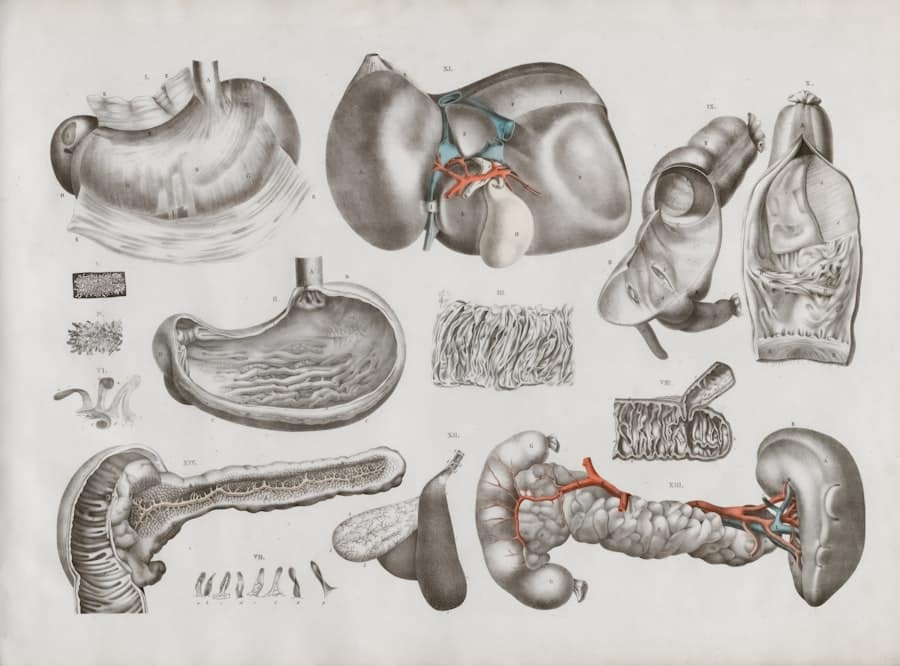
In some cases, a referral to a gastroenterologist may be necessary if gastrointestinal problems are suspected. These specialists can provide targeted treatment options for conditions like GERD or gastritis, which may significantly improve both your digestive health and breath quality.
Getting the Right Care for You
Seeking professional guidance ensures that you receive appropriate care tailored to your specific needs.
Lifestyle changes for preventing bad breath and stomach issues
Making lifestyle changes can have a profound impact on preventing both bad breath and stomach issues. Regular physical activity is one such change that benefits overall health, including digestion. Exercise helps stimulate the digestive system, promoting regular bowel movements and reducing bloating or discomfort that could contribute to bad breath.
Additionally, managing stress levels is crucial for maintaining both oral and digestive health. Stress can lead to unhealthy eating habits or exacerbate conditions like GERD, which may worsen bad breath. Incorporating relaxation techniques such as yoga or meditation into your routine can help alleviate stress and promote better overall well-being.
The importance of addressing both bad breath and stomach issues for overall health
Addressing both bad breath and stomach issues is essential for maintaining overall health and well-being. Poor oral hygiene or untreated gastrointestinal problems can lead to more serious health complications over time. For instance, chronic bad breath may affect your social interactions and self-esteem, while unresolved stomach issues could lead to malnutrition or other systemic problems.
By taking proactive steps to improve both aspects of your health, you empower yourself to live a more fulfilling life free from discomfort or embarrassment caused by halitosis or digestive troubles. Prioritizing your oral hygiene, making informed dietary choices, seeking professional help when needed, and adopting healthy lifestyle habits will not only enhance your breath but also support optimal digestive function—ultimately contributing to better overall health.
Bad breath can often be a sign of underlying stomach issues that need to be addressed. According to a recent article from Dentist in Victoria, Texas, poor digestion and stomach problems can contribute to halitosis. It is important to consult with a healthcare professional to determine the root cause of bad breath and address any potential stomach issues that may be contributing to this embarrassing problem.
FAQs
What are the common causes of bad breath?
Common causes of bad breath include poor oral hygiene, certain foods and drinks, smoking, dry mouth, and underlying medical conditions such as gum disease, sinus infections, and respiratory tract infections.
Can stomach issues cause bad breath?
Yes, stomach issues such as acid reflux, gastritis, and other digestive problems can contribute to bad breath. When stomach acids flow back into the esophagus, they can cause an unpleasant odor in the mouth.
How does acid reflux contribute to bad breath?
Acid reflux can contribute to bad breath by allowing stomach acids to flow back into the esophagus and mouth, leading to an unpleasant odor. This can be exacerbated by poor oral hygiene and the presence of bacteria in the mouth.
What are some ways to improve bad breath caused by stomach issues?
To improve bad breath caused by stomach issues, it’s important to address the underlying digestive problems. This may involve making dietary and lifestyle changes, managing stress, and seeking medical treatment for conditions such as acid reflux and gastritis.
Can bad breath be a sign of a more serious medical condition?
Yes, in some cases, persistent bad breath can be a sign of a more serious medical condition such as diabetes, liver or kidney problems, or respiratory infections. It’s important to consult a healthcare professional if bad breath persists despite efforts to improve oral hygiene and address potential stomach issues.


