

Root canal therapy is a dental procedure designed to treat infection or damage within the pulp of a tooth. The pulp is the innermost part of the tooth, containing nerves, blood vessels, and connective tissue. When this area becomes infected or inflamed due to decay, trauma, or other factors, it can lead to severe pain and even tooth loss if left untreated.
Root canal therapy aims to remove the infected pulp, clean and disinfect the interior of the tooth, and then seal it to prevent further issues. This procedure allows you to retain your natural tooth rather than opting for extraction, which can have long-term consequences for your oral health. The process of root canal therapy is often misunderstood, leading many to fear it unnecessarily.
In reality, advancements in dental technology and anesthesia have made this procedure more comfortable than ever before. Many patients report feeling little to no pain during the treatment, and the relief from the symptoms of infection can be immediate. Understanding what root canal therapy entails can help alleviate any anxiety you may have about undergoing the procedure.
Key Takeaways
- Root canal therapy is a dental procedure used to treat infected or damaged tooth pulp.
- Root canal therapy is necessary when the tooth pulp becomes infected or inflamed due to deep decay, repeated dental procedures, or trauma.
- The procedure involves removing the infected pulp, cleaning the inside of the tooth, and sealing it to prevent further infection.
- Benefits of root canal therapy include saving the natural tooth, relieving pain, and restoring normal tooth function.
- Risks and complications of root canal therapy may include infection, damage to surrounding teeth, or incomplete removal of infected tissue.
When is Root Canal Therapy Necessary?
You may find yourself needing root canal therapy if you experience persistent tooth pain, especially when chewing or applying pressure. This discomfort often indicates that the pulp inside your tooth is inflamed or infected. Other signs that you might require this treatment include prolonged sensitivity to hot or cold temperatures, discoloration of the tooth, or swelling and tenderness in the surrounding gums.
If you notice any of these symptoms, it’s crucial to consult your dentist promptly to determine the best course of action. In some cases, root canal therapy may be necessary even if you do not experience noticeable symptoms. For instance, if your dentist identifies deep decay or a crack in your tooth during a routine examination, they may recommend this procedure as a preventive measure.
Early intervention can save your tooth and prevent more extensive dental work down the line. Being proactive about your dental health can make a significant difference in your overall well-being.
The Procedure of Root Canal Therapy
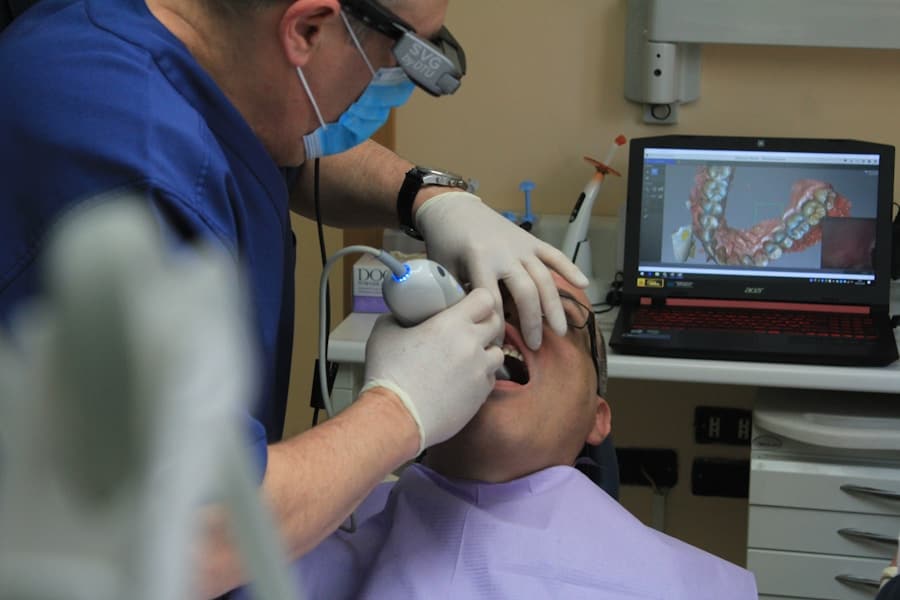
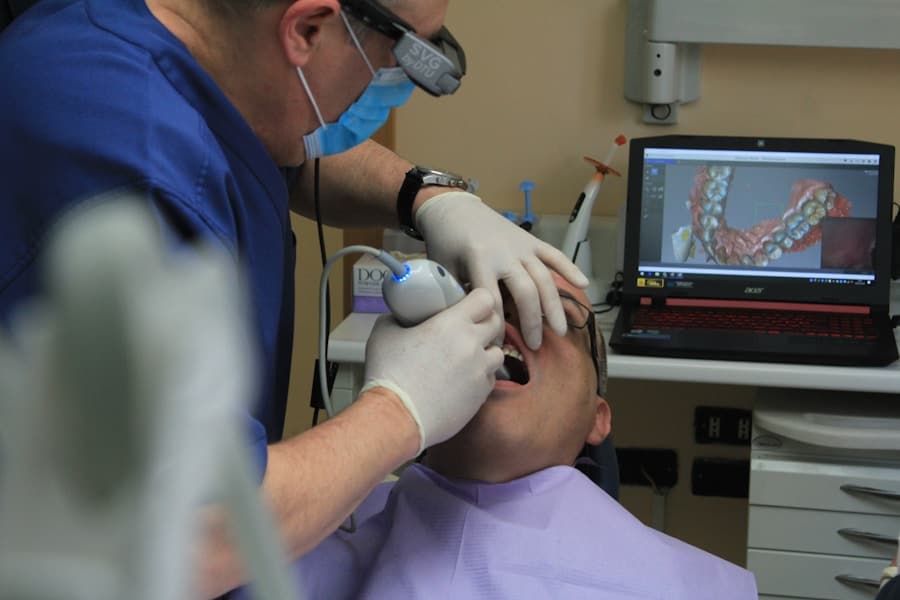
The root canal procedure typically begins with an initial consultation where your dentist will assess your condition through X-rays and a thorough examination. Once it’s determined that root canal therapy is necessary, you will be scheduled for the treatment. On the day of the procedure, you will receive local anesthesia to numb the affected area, ensuring that you remain comfortable throughout the process.
In some cases, sedation options may also be available if you feel particularly anxious. Once you are adequately numbed, your dentist will create an opening in the crown of your tooth to access the pulp chamber. Using specialized instruments, they will carefully remove the infected or damaged pulp tissue.
After cleaning and disinfecting the interior of the tooth, they will shape it to prepare for filling. The next step involves sealing the tooth with a biocompatible material called gutta-percha to prevent future infections. Finally, your dentist may place a temporary filling or crown on top of the tooth to restore its function and appearance.
Benefits of Root Canal Therapy
One of the most significant benefits of root canal therapy is that it allows you to keep your natural tooth. Preserving your tooth not only maintains your smile but also helps retain the structure of your jawbone and prevents neighboring teeth from shifting out of alignment. This preservation can contribute to better overall oral health and function in the long run.
Additionally, root canal therapy can provide immediate relief from pain and discomfort caused by infection or inflammation. Many patients report feeling a sense of relief almost immediately after the procedure is completed. Furthermore, with proper aftercare and maintenance, a tooth that has undergone root canal therapy can last for many years, often for a lifetime.
This longevity makes it a worthwhile investment in your dental health.
Risks and Complications of Root Canal Therapy
While root canal therapy is generally safe and effective, like any medical procedure, it does come with some risks and potential complications. One possible risk is that the infection may not be entirely eliminated during the initial treatment, leading to persistent pain or reinfection. In such cases, a follow-up treatment may be necessary to address any remaining issues.
Another potential complication is damage to surrounding tissues or nerves during the procedure. Although rare, this can result in numbness or tingling in adjacent areas. Additionally, if a tooth is severely damaged or has multiple canals that are difficult to access, achieving complete success may be more challenging.
It’s essential to discuss these risks with your dentist beforehand so that you can make an informed decision about your treatment options.
Aftercare and Recovery from Root Canal Therapy
Managing Discomfort
Initially, you may experience some tenderness or mild discomfort in the treated area as the anesthesia wears off. Over-the-counter pain relievers are often sufficient to manage any discomfort you may feel during this time.
Oral Hygiene and Medication
Your dentist will provide specific instructions on how to care for your tooth and what medications to take. In the days following the procedure, it’s essential to maintain good oral hygiene practices while being gentle around the treated area. You should continue brushing and flossing but avoid putting too much pressure on the tooth until it has fully healed.
Dietary Recommendations
Additionally, follow any dietary recommendations provided by your dentist; soft foods are often recommended for a few days post-treatment to minimize discomfort.
Alternatives to Root Canal Therapy
If you find yourself facing a situation where root canal therapy is recommended but are hesitant about undergoing the procedure, there are alternatives worth considering. One option is extraction, where the affected tooth is removed entirely. While this may seem like a straightforward solution, it can lead to complications such as shifting teeth and bone loss over time.
Another alternative is dental implants, which involve surgically placing an artificial tooth root into your jawbone to support a replacement tooth. While implants can be an excellent long-term solution for missing teeth, they require surgery and a longer recovery period compared to root canal therapy. It’s essential to weigh these alternatives carefully with your dentist to determine which option aligns best with your dental health goals.
Finding a Qualified Endodontist for Root Canal Therapy
When considering root canal therapy, finding a qualified endodontist is crucial for ensuring a successful outcome. An endodontist specializes in diagnosing and treating issues related to the dental pulp and has advanced training beyond general dentistry. To find a reputable endodontist in your area, start by asking for recommendations from your general dentist or seeking referrals from friends and family.
You can also research online reviews and testimonials from previous patients to gauge their experiences with specific endodontists. Look for professionals who are board-certified and have a solid track record in performing root canal procedures. Once you have narrowed down your options, schedule consultations with potential endodontists to discuss your concerns and ask questions about their approach to treatment.
This step will help you feel more confident in your choice and ensure that you receive high-quality care throughout your root canal therapy journey. In conclusion, understanding root canal therapy can empower you to make informed decisions about your dental health. By recognizing when this procedure is necessary and what it entails, you can alleviate fears and embrace the benefits it offers while being aware of potential risks and alternatives.
With proper aftercare and by choosing a qualified endodontist, you can ensure a successful outcome that preserves your natural smile for years to come.
If you are considering root canal therapy, you may also be interested in learning more about orthodontics. Orthodontics focuses on correcting misaligned teeth and jaws, improving both the appearance and function of your smile. For more information on orthodontics, check out this article on Introduction to Orthodontics. And if you are in the Baytown, Texas area and in need of dental care, be sure to visit a reputable dentist like the one listed on dentistinnear.me.
FAQs
What is root canal therapy?
Root canal therapy is a dental procedure used to treat infection at the center of a tooth (the root canal system). It involves removing the infected tissue, cleaning and disinfecting the area, and then filling and sealing it.
Why is root canal therapy necessary?
Root canal therapy is necessary when the pulp inside the tooth becomes infected or inflamed due to deep decay, repeated dental procedures on the tooth, or a crack or chip in the tooth.
What are the symptoms that may indicate the need for root canal therapy?
Symptoms that may indicate the need for root canal therapy include severe toothache, prolonged sensitivity to hot or cold, discoloration of the tooth, swelling and tenderness in the nearby gums, and a persistent pimple on the gums.
Is root canal therapy painful?
With modern techniques and anesthesia, root canal therapy is relatively painless. Patients may experience some discomfort or mild pain after the procedure, but this can usually be managed with over-the-counter pain medications.
What are the benefits of root canal therapy?
The main benefit of root canal therapy is saving a tooth that would otherwise need to be extracted. It also relieves pain, stops infection, and restores the tooth’s function.
How long does a root canal procedure take?
The length of a root canal procedure can vary depending on the complexity of the tooth and the extent of the infection. In general, it can take one to two appointments to complete the treatment.
What is the success rate of root canal therapy?
Root canal therapy has a high success rate, with over 95% of treated teeth lasting a lifetime. However, there is a small risk of reinfection or other complications. Regular dental check-ups and good oral hygiene can help prevent these issues.


