

Dental implants are a revolutionary solution for those who have lost teeth due to injury, decay, or other dental issues. Essentially, a dental implant is a small titanium post that is surgically inserted into the jawbone, acting as a replacement root for a missing tooth. Once the implant is placed, it undergoes a process called osseointegration, where the bone grows around the implant, securing it firmly in place.
This integration is crucial as it provides the stability needed for the artificial tooth that will eventually be attached. The process of getting a dental implant involves several steps. Initially, you will have a consultation with your dentist or oral surgeon to assess your oral health and determine if you are a suitable candidate for the procedure.
If you have sufficient bone density and overall good health, the next step involves placing the implant into your jawbone. After a healing period, during which the implant fuses with the bone, an abutment is attached to the implant, serving as a connector for the final restoration—a crown that mimics the appearance and function of a natural tooth.
Key Takeaways
- Dental implants are artificial tooth roots that are placed in the jaw to support a replacement tooth or bridge.
- Dental implants offer benefits such as improved appearance, speech, comfort, and oral health compared to other options like dentures or bridges.
- The dental implant process involves consultation, treatment planning, implant placement, healing, and attachment of the replacement tooth or bridge.
- When choosing a dental implant provider, it’s important to look for experience, qualifications, and a good track record of successful implant placements.
- There are different types of dental implants, including endosteal implants, subperiosteal implants, and zygomatic implants, each with its own advantages and considerations for suitability.
The Benefits of Dental Implants: Why Choose Them Over Other Options?
Choosing dental implants over other tooth replacement options, such as dentures or bridges, comes with numerous advantages. One of the most significant benefits is their durability. Dental implants are designed to last many years, often a lifetime with proper care.
Unlike dentures, which may need to be replaced or adjusted over time, implants provide a long-term solution that can restore your confidence and improve your quality of life. Another compelling reason to opt for dental implants is their ability to preserve jawbone health. When you lose a tooth, the jawbone beneath it can begin to deteriorate due to lack of stimulation.
Dental implants help maintain bone density by providing the necessary stimulation that natural teeth would normally provide. This not only helps in preserving your facial structure but also prevents further dental complications down the line. Additionally, dental implants do not require altering adjacent teeth, as bridges do, making them a more conservative option for tooth replacement.
The Dental Implant Process: From Consultation to Recovery

The journey to getting dental implants begins with an initial consultation where your dentist will evaluate your oral health and discuss your specific needs and expectations. This assessment may include X-rays or 3D imaging to determine the condition of your jawbone and identify any potential issues that could affect the procedure. During this stage, you will also have the opportunity to ask questions and express any concerns you may have about the process.
Once you are deemed a suitable candidate, the next step involves the surgical placement of the implant. This procedure is typically performed under local anesthesia or sedation to ensure your comfort. After the implant is placed in your jawbone, you will enter a healing phase that can last several months.
During this time, it’s essential to follow your dentist’s aftercare instructions to promote healing and ensure successful osseointegration. After sufficient healing has occurred, you will return to have the abutment placed and eventually receive your custom-made crown, completing the restoration process.
Choosing the Right Dental Implant Provider: What to Look for
Selecting the right dental implant provider is crucial for ensuring a successful outcome. Start by looking for a dentist or oral surgeon who specializes in implant dentistry and has extensive experience in performing these procedures. You can often find this information on their website or by asking for referrals from friends or family who have undergone similar treatments.
Additionally, consider the provider’s credentials and training. Look for professionals who are board-certified and have completed advanced training in implantology. It’s also beneficial to read reviews and testimonials from previous patients to gauge their satisfaction with the provider’s services.
A good provider will take the time to explain the entire process, address your concerns, and create a personalized treatment plan tailored to your specific needs.
Types of Dental Implants: Which Option Is Best for You?
When it comes to dental implants, there are several types available, each designed to meet different needs and preferences. The most common type is the endosteal implant, which is placed directly into the jawbone and is suitable for most patients with adequate bone density. Another option is subperiosteal implants, which are placed under the gum but above the jawbone; these are typically used for patients who do not have enough healthy jawbone for endosteal implants.
Your dentist will help you determine which type of implant is best suited for your situation based on factors such as bone density, overall health, and personal preferences. In some cases, additional procedures like bone grafting may be necessary to ensure there is enough bone to support an implant. Understanding these options will empower you to make informed decisions about your dental health.
Dental Implant Aftercare: Tips for Maintaining Oral Health
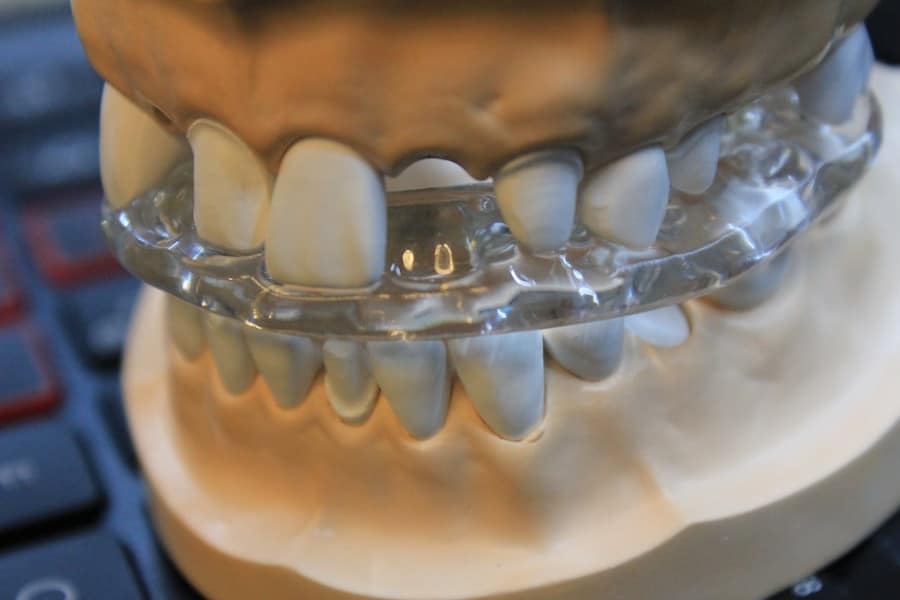
After receiving dental implants, proper aftercare is essential for ensuring their longevity and maintaining overall oral health. One of the most important aspects of aftercare is maintaining excellent oral hygiene. This includes brushing your teeth at least twice a day with fluoride toothpaste and flossing daily to remove plaque buildup around the implant site.
Your dentist may also recommend using an antibacterial mouthwash to help keep your mouth clean. Regular dental check-ups are also crucial after getting implants. These visits allow your dentist to monitor the health of your gums and surrounding teeth while ensuring that the implant remains secure.
Additionally, be mindful of your diet during the initial healing phase; avoid hard or sticky foods that could disrupt the healing process or damage the implant. By following these aftercare tips, you can help ensure that your dental implants remain in optimal condition for years to come.
Potential Risks and Complications of Dental Implants: What You Need to Know
While dental implants are generally considered safe and effective, it’s important to be aware of potential risks and complications associated with the procedure. Some individuals may experience infection at the implant site, which can hinder healing and lead to further complications if not addressed promptly. Other risks include nerve damage, sinus issues (in cases where upper jaw implants are placed), and implant failure due to insufficient bone integration.
To minimize these risks, it’s essential to choose a qualified provider and follow all pre- and post-operative instructions carefully. Discuss any concerns you may have with your dentist before undergoing the procedure so that they can provide guidance tailored to your specific situation. Being informed about these potential complications will help you make educated decisions regarding your dental health.
The Cost of Dental Implants: Understanding Your Financial Options
The cost of dental implants can vary significantly based on several factors, including the type of implant used, the complexity of your case, and whether additional procedures like bone grafting are necessary. On average, you might expect to pay anywhere from $3,000 to $4,500 per implant; however, this figure can fluctuate based on geographic location and individual circumstances. Understanding your financial options is crucial when considering dental implants.
Many dental practices offer financing plans or payment options that can make this investment more manageable. Additionally, check with your dental insurance provider; while many plans do not cover implants fully, some may offer partial coverage or benefits for related procedures like crowns or extractions. By exploring these financial avenues, you can make informed decisions about how best to proceed with your dental care while ensuring that you receive the treatment you need without undue financial strain.
If you are interested in learning more about dental implant services in Evanston, Illinois, be sure to check out the article The Benefits of Dental Implants in Evanston, Illinois. This article provides valuable information on the advantages of dental implants and why they are a popular choice for replacing missing teeth. It also discusses the process of getting dental implants and what to expect during the procedure. Whether you are considering dental implants for cosmetic reasons or to improve your oral health, this article is a must-read for anyone in the Evanston area.
FAQs
What are dental implants?
Dental implants are artificial tooth roots that are placed into the jaw to hold a replacement tooth or bridge. They provide a strong foundation for fixed or removable replacement teeth.
Who is a good candidate for dental implants?
Good candidates for dental implants are individuals with good oral health, enough bone in the jaw to support the implant, and healthy gum tissues. They should also be committed to maintaining good oral hygiene and regular dental visits.
What are the benefits of dental implants?
Dental implants offer several benefits, including improved appearance, speech, comfort, and oral health. They also provide better durability and convenience compared to other tooth replacement options.
What is the process for getting dental implants?
The process for getting dental implants typically involves a consultation, dental implant placement surgery, healing period, and placement of the artificial tooth or teeth. The entire process can take several months to complete.
What is the success rate of dental implants?
The success rate of dental implants is high, with an average success rate of 95% for lower jaw implants and 90% for upper jaw implants. However, success rates can vary depending on the individual’s oral health and habits.
What are the potential risks and complications of dental implants?
Potential risks and complications of dental implants include infection, injury to surrounding structures, nerve damage, and implant failure. These risks can be minimized by choosing a qualified and experienced dental implant provider.
How long do dental implants last?
With proper care and maintenance, dental implants can last a lifetime. It is important to practice good oral hygiene, avoid damaging habits, and attend regular dental check-ups to ensure the longevity of dental implants.


