
Have you ever wondered how the initial shade of your teeth affects the results of teeth whitening? It turns out that the shade of your teeth plays a significant role in determining just how white your smile can become. In this article, we will explore the relationship between the initial shade of your teeth and the effectiveness of teeth whitening treatments. Whether your teeth are slightly discolored or heavily stained, understanding this correlation can help you make informed decisions and achieve the brighter, whiter smile you desire. So, let’s dive into the fascinating world of teeth whitening and discover the impact of your teeth’s initial shade on the final results.
Factors Affecting Teeth Whitening Results
Teeth whitening is a popular cosmetic procedure that can help enhance the brightness of your smile. However, the results of teeth whitening can vary depending on several factors. Understanding these factors can help set realistic expectations and ensure that you achieve the best possible results. Let’s take a closer look at some of the key factors that can affect the outcome of your teeth whitening treatment.

1.1 The Initial Shade of Teeth
The initial shade of your teeth plays a crucial role in determining the final outcome of your teeth whitening treatment. Teeth come in various shades, ranging from white to yellow, and even shades of gray and brown. The starting point of your teeth’s color can impact how much brighter they become after whitening. For example, if you have naturally yellow teeth, they may not achieve the same level of whiteness as someone with naturally white teeth.
1.2 The Type of Teeth Whitening Treatment
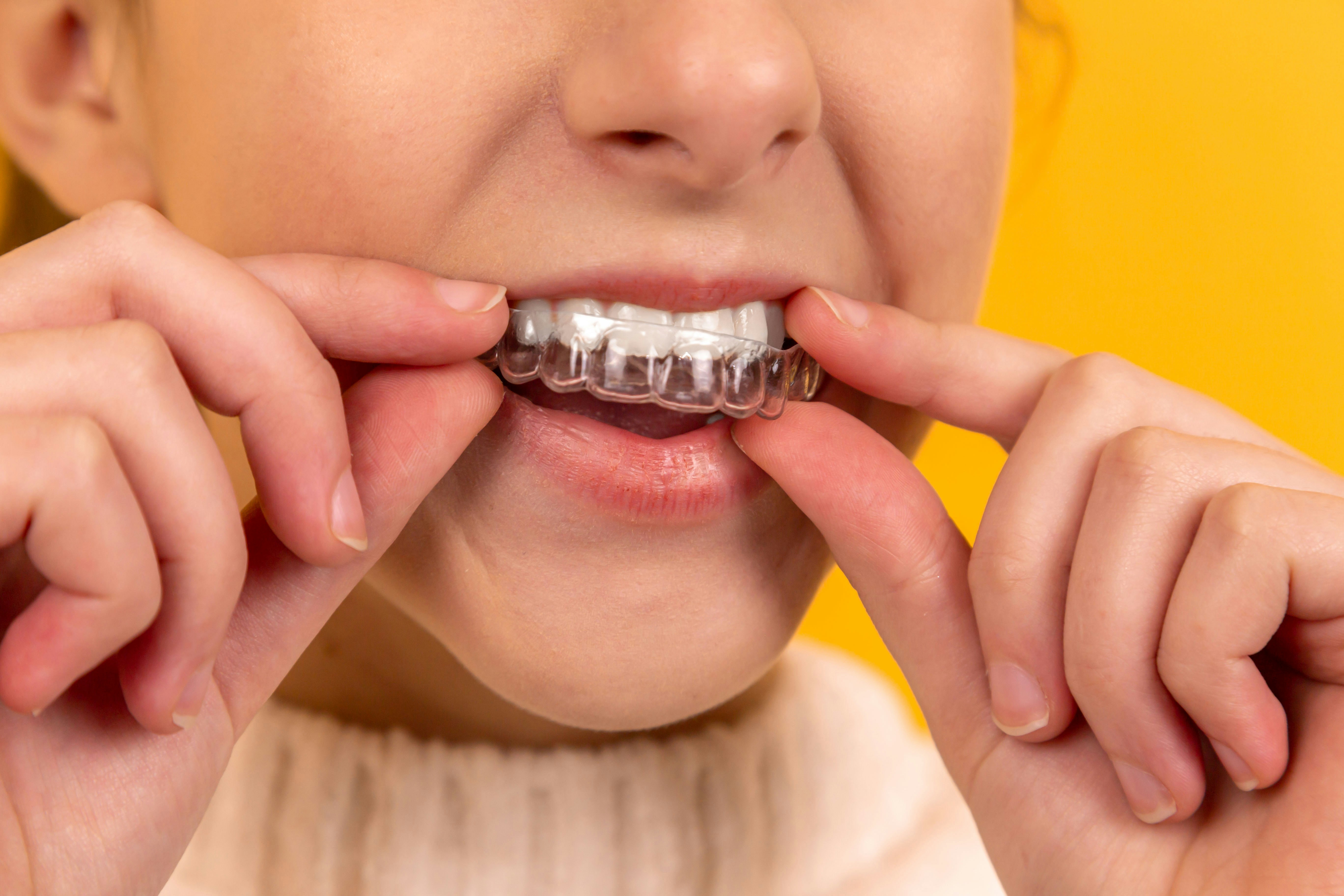
There are various types of teeth whitening treatments available, including over-the-counter products, dentist-supervised treatments, in-office procedures, and professional take-home kits. The type of treatment you choose can significantly affect the outcome of your teeth whitening. For example, dentist-supervised treatments and in-office procedures generally yield more noticeable and long-lasting results compared to over-the-counter products. It’s essential to consult with your dentist to determine the best treatment option for you based on your specific needs and the desired outcome.
1.3 Duration and Frequency of Treatment
The length and frequency of your teeth whitening treatment can also impact the results. Short-term whitening treatments, such as whitening toothpaste or strips used for a few days, may provide a subtle improvement in the whiteness of your teeth. On the other hand, prolonged whitening treatments, such as using whitening trays or gels for several weeks, can lead to more noticeable and long-lasting results. It’s important to follow the recommended duration and frequency of your chosen treatment for optimal whitening results.
1.4 Individual Biochemistry
Each person’s body may respond differently to teeth whitening treatments due to individual biochemistry. Genetic factors can influence how your teeth react to the whitening agents. Additionally, the porosity of your tooth enamel can impact the absorption and effectiveness of the whitening products. Some individuals may experience more sensitivity or irritation during the whitening process, which can affect the overall outcome. It’s crucial to discuss any concerns with your dentist before starting a whitening treatment to ensure the best possible outcome.

1.5 Oral Hygiene Practices
Maintaining proper oral hygiene practices is essential not only for the health of your teeth but also to maximize the results of your teeth whitening treatment. Regular brushing and flossing help remove surface stains and plaque buildup, allowing the whitening agents to penetrate more effectively. Professional cleanings by a dental hygienist can also help remove stubborn stains and ensure a clean slate for your whitening treatment. Furthermore, avoiding foods and drinks that can stain your teeth, such as coffee, tea, red wine, and tobacco, can help prolong the results of your whitening treatment.
1.6 Lifestyle Habits
Lifestyle habits, such as smoking and the consumption of staining substances, can significantly impact the brightness of your smile. Smoking and tobacco use can lead to severe tooth discoloration over time, making the whitening process more challenging. Similarly, frequent intake of staining substances like coffee, tea, and red wine can cause new stains to develop on your teeth, minimizing the effectiveness of your whitening treatment. Developing healthy oral care habits and making conscious choices to avoid these habits can help maintain the results of your whitening treatment for longer.
1.7 Age and Tooth Structure
As we age, our teeth naturally undergo changes that can affect their color and structure. Enamel thickness tends to decrease over time, making the yellowish dentin underneath more visible. This can result in a dull or yellowed appearance of the teeth. Additionally, the exposure of dentin can make the teeth more susceptible to staining. Understanding these age-related changes can help manage expectations when it comes to the outcome of your teeth whitening treatment.
1.8 Existing Dental Work
If you have existing dental work, such as fillings, crowns, or veneers, it’s important to note that they may not respond to teeth whitening treatments in the same way as your natural teeth. While whitening agents can help lighten the color of natural teeth, they may not have any effect on the color of dental restorations. This can result in uneven tooth coloration after whitening. Consulting with your dentist can help determine the best way to achieve a harmonious and uniform smile if you have existing dental work.
1.9 Quality of Whitening Products
The quality of the whitening products used can have a significant impact on the results of your teeth whitening treatment. Over-the-counter products may not contain the same concentration of active ingredients as professional-grade products, which can affect their effectiveness. Dentist-supervised treatments and in-office procedures often utilize higher-strength whitening agents that can provide more dramatic results. Investing in high-quality whitening products, whether obtained from your dentist or over-the-counter, can help ensure that you achieve the desired level of whiteness.
1.10 Adherence to Instructions
Following the instructions provided with your chosen teeth whitening treatment is crucial for achieving the best possible results. Proper application techniques, such as evenly distributing the whitening product on the teeth or wearing whitening trays for the recommended duration, are essential for effective whitening. Deviating from the instructions or using the product inconsistently may lead to unsatisfactory results or potential complications. It’s important to read and understand the instructions thoroughly and seek clarification from your dentist if needed.
Understanding the various factors that can affect the outcome of your teeth whitening treatment is essential for setting realistic expectations and ensuring the best possible results. Factors such as the initial shade of your teeth, the type of treatment, the duration and frequency of treatment, individual biochemistry, oral hygiene practices, lifestyle habits, age, existing dental work, quality of whitening products, and adherence to instructions all play a role in determining how much brighter and whiter your smile can become. By taking all these factors into account and consulting with your dentist, you can achieve a whiter and more radiant smile that boosts your confidence and leaves a lasting impression.


