
Have you ever wondered how the initial shade of your teeth can impact the results and effectiveness of teeth whitening procedures? It turns out that the starting color of your teeth plays a significant role in determining how successful the whitening treatment will be. The article explores why the initial shade matters and how it can affect the outcome of your teeth whitening journey. So, if you’re considering getting your teeth whitened, read on to understand why the current color of your teeth matters and what you can expect from the treatment.
Factors Affecting Teeth Whitening Results
When it comes to teeth whitening, there are several factors that can influence the results and effectiveness of the procedure. Understanding these factors can help you make informed decisions about your whitening journey and manage your expectations. From the initial shade of your teeth to the type of whitening product used, each factor plays a crucial role in determining the outcome of your treatment.
Initial Shade of Teeth
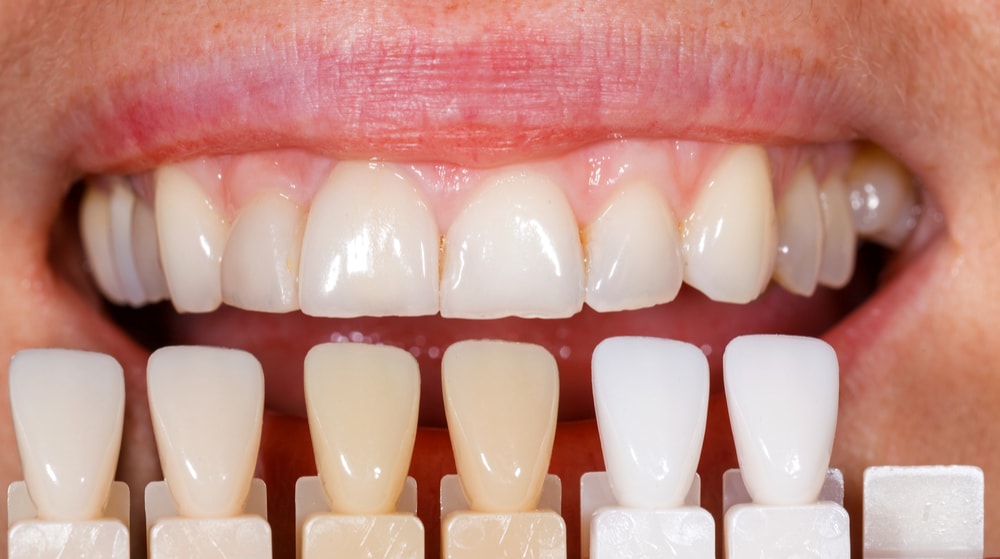
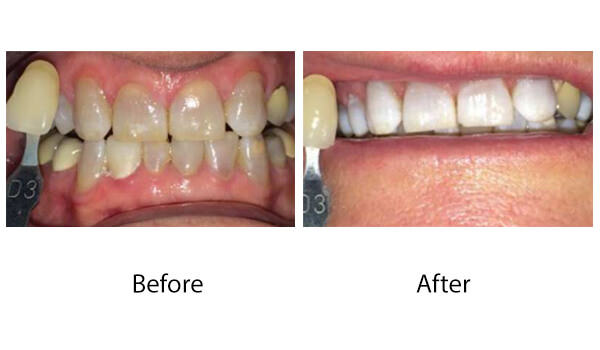
The initial shade of your teeth is an essential factor that can significantly impact the results of any teeth whitening procedure. The natural color of your teeth varies from person to person. Some people naturally have brighter or whiter teeth, while others have teeth that are slightly dull or discolored. The initial shade provides a baseline for the desired results and helps determine the level of improvement that can be achieved.
Type of Whitening Product Used
The type of whitening product used is another crucial factor to consider. There are various options available, such as in-office professional whitening, at-home tray whitening, whitening toothpaste and mouthwash, and over-the-counter whitening products. Each method utilizes different whitening agents and techniques, which can have varying effects on your teeth. It’s essential to choose a product that suits your needs and expectations.
Duration and Frequency of Whitening Treatment
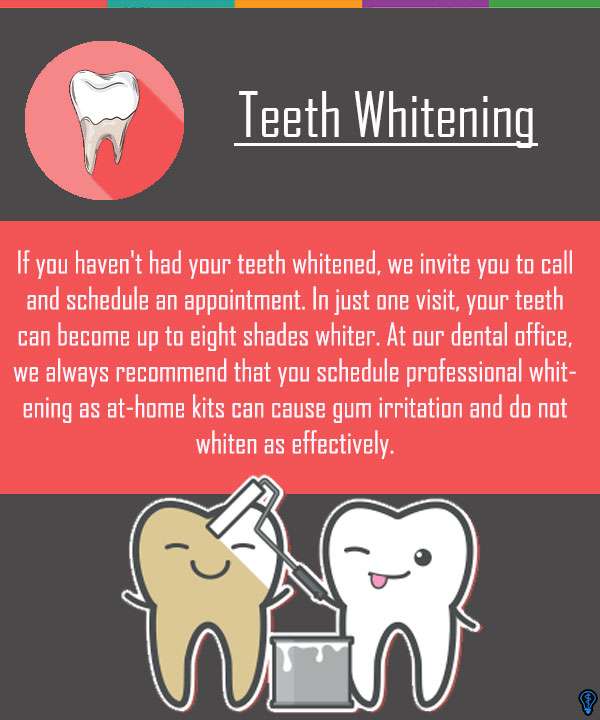
The duration and frequency of your whitening treatment can also influence the outcome. Some whitening procedures require multiple treatment sessions over an extended period, while others offer quicker results with fewer sessions. It’s important to follow the recommended guidelines provided by your dentist or the product manufacturer to achieve optimal results. Overusing or prolonging the treatment without professional guidance can lead to unwanted side effects.
Individual’s Oral Hygiene Habits
Your oral hygiene habits play a significant role in the effectiveness of teeth whitening procedures. Maintaining good oral hygiene, including regular brushing and flossing, helps remove surface stains and prevents plaque buildup, enhancing the overall whitening results. Neglecting oral hygiene practices, on the other hand, can hinder the effectiveness of the treatment and even lead to further discoloration.
Smoking and Consumption of Staining Substances
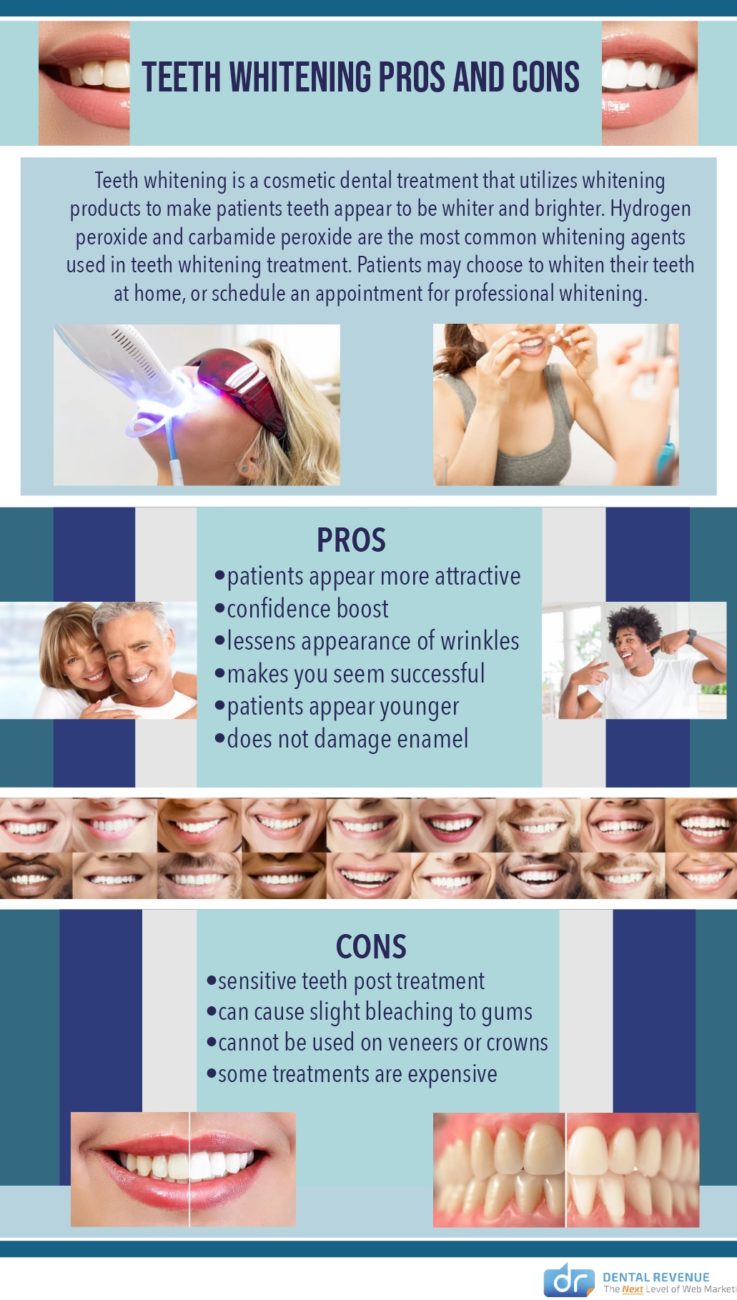
Smoking and the consumption of staining substances such as coffee, tea, wine, and certain foods can significantly impact the results of teeth whitening procedures. These substances contain pigments that can adhere to the teeth and cause discoloration over time. It’s important to minimize or avoid these staining substances during and after the whitening process to maintain the longevity of your results.
Underlying Dental Conditions
Underlying dental conditions, such as tooth decay, gum disease, or enamel erosion, can affect the effectiveness and results of teeth whitening procedures. These conditions should be addressed and treated before undergoing any whitening treatment to ensure the best possible outcome. It’s always recommended to consult with your dentist to evaluate your oral health and determine if any pre-existing conditions need to be treated first.
Professional vs. At-Home Whitening
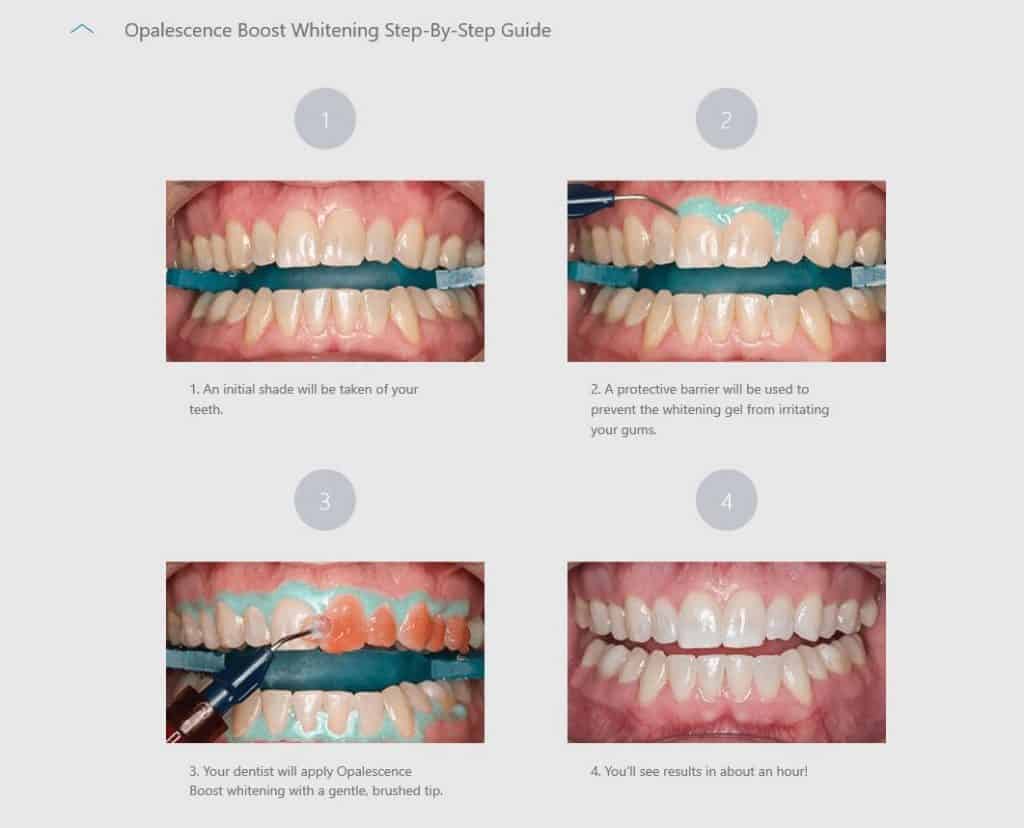
Choosing between professional whitening and at-home whitening is an important decision that can influence the results of your teeth whitening treatment. Professional whitening performed by a dentist offers more powerful and tailored solutions, often delivering faster and more noticeable results. However, at-home whitening options can be more convenient and cost-effective for maintaining already whitened teeth. Taking into account your goals, budget, and individual circumstances will help you decide which option is best for you.
Quality of Whitening Products
The quality of whitening products is an essential factor to consider to achieve the best results. Higher-quality products usually contain higher concentrations of whitening agents, which can lead to more effective and long-lasting whitening. It’s important to choose reputable brands and consult with your dentist to ensure the products you use are safe and reliable.
Individual’s Compliance with Treatment
Your compliance with the teeth whitening treatment is crucial for achieving optimal results. Following the instructions provided by your dentist or the product manufacturer is essential for a successful outcome. This includes adhering to the recommended application techniques, treatment duration, and frequency. Skipping or overusing the treatment can lead to subpar results or potential side effects, so it’s important to be disciplined and committed to the recommended regimen.
Overall Oral Health
Lastly, your overall oral health impacts the effectiveness of teeth whitening procedures. Maintaining a healthy mouth, free from dental issues such as cavities or gum disease, ensures that your teeth are in the best condition for whitening. Regular dental visits and cleanings are important for identifying and addressing any oral health concerns before undergoing any whitening treatment.
By considering these factors and taking the necessary steps to prepare your teeth and maintain good oral hygiene, you can increase the chances of achieving satisfactory and long-lasting teeth whitening results. Understanding the initial shade of your teeth and selecting the appropriate whitening method will help you make informed decisions and set realistic expectations for your whitening journey. Remember, patience and consistency are key when it comes to achieving a brighter, more confident smile.


