

Maintaining good oral hygiene is essential for your overall health and well-being. It goes beyond just having a bright smile; it plays a crucial role in preventing various dental issues, including cavities, gum disease, and bad breath. When you neglect your oral hygiene, harmful bacteria can accumulate in your mouth, leading to plaque buildup and potential infections.
This not only affects your teeth and gums but can also have far-reaching effects on your general health. Research has shown that poor oral hygiene is linked to serious conditions such as heart disease, diabetes, and respiratory infections. Therefore, prioritizing your oral care routine is not just about aesthetics; it’s a vital component of your health.
Moreover, good oral hygiene can significantly enhance your quality of life. When you take care of your teeth and gums, you are less likely to experience pain or discomfort associated with dental problems. This means you can enjoy your favorite foods without hesitation and speak confidently without the fear of bad breath or visible decay.
Additionally, a healthy mouth contributes to your self-esteem and social interactions. You may find that when you feel good about your oral health, you are more inclined to smile and engage with others, fostering better relationships both personally and professionally.
Key Takeaways
- Good oral hygiene is crucial for overall health and well-being
- Proper brushing techniques are essential for maintaining healthy teeth and gums
- Flossing is important for removing plaque and food particles from between teeth
- Regular dental check-ups are necessary for early detection and prevention of dental issues
- Diet plays a significant role in maintaining good dental health
Proper Brushing Techniques
Brushing your teeth is one of the most fundamental aspects of oral hygiene, yet many people do not do it correctly. To maximize the effectiveness of brushing, you should use a soft-bristled toothbrush and fluoride toothpaste. Position the toothbrush at a 45-degree angle to your gums and use gentle circular motions to clean the outer surfaces of your teeth.
It’s important to brush for at least two minutes, ensuring that you cover all areas of your mouth, including the front, back, and chewing surfaces of each tooth. Don’t forget to brush your tongue as well; it can harbor bacteria that contribute to bad breath. In addition to the technique, the frequency of brushing is equally important.
You should brush your teeth at least twice a day—once in the morning and once before bed. If possible, consider brushing after meals to remove food particles and plaque buildup. However, be cautious not to brush immediately after consuming acidic foods or drinks, as this can weaken enamel.
Instead, rinse your mouth with water first and wait about 30 minutes before brushing. By adopting these proper brushing techniques, you can significantly reduce your risk of dental problems and maintain a healthy mouth.
Flossing and its Importance
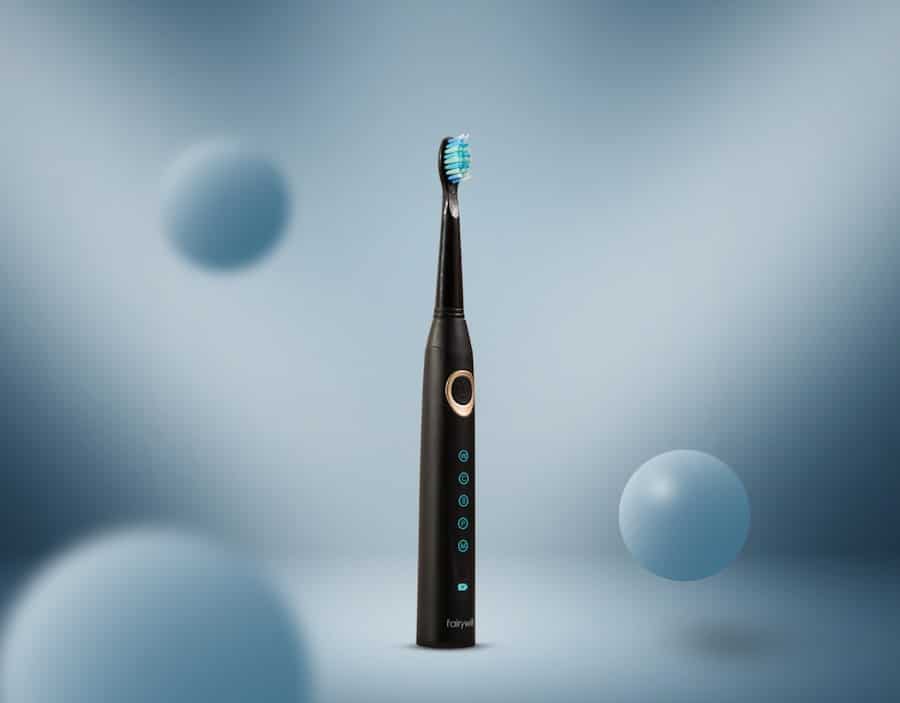
While brushing is essential for cleaning the surfaces of your teeth, flossing is equally important for maintaining optimal oral health. Flossing helps remove food particles and plaque from between your teeth and along the gum line—areas that a toothbrush cannot reach effectively. By incorporating flossing into your daily routine, you can prevent gum disease and cavities that often develop in these hard-to-reach spaces.
It’s recommended that you floss at least once a day, ideally before bedtime, to ensure that any debris from the day is removed. Many people underestimate the importance of flossing or find it tedious; however, it is a crucial step in achieving comprehensive oral hygiene. When you skip flossing, you allow plaque to harden into tartar, which can only be removed by a dental professional.
This buildup can lead to gingivitis, the early stage of gum disease characterized by inflammation and bleeding gums. By making flossing a habit, you are taking proactive steps to protect not only your teeth but also your gums, ultimately contributing to better overall health.
Importance of Regular Dental Check-ups
Regular dental check-ups are an integral part of maintaining good oral health. Visiting your dentist at least twice a year allows for early detection of potential issues before they escalate into more serious problems. During these appointments, your dentist will conduct a thorough examination of your teeth and gums, looking for signs of decay or disease.
They may also take X-rays to identify any underlying issues that may not be visible during a standard examination. By catching problems early on, you can save yourself from more extensive treatments down the line. In addition to examinations, dental check-ups often include professional cleanings that help remove plaque and tartar buildup that regular brushing and flossing may miss.
These cleanings are essential for preventing gum disease and maintaining fresh breath. Your dentist or hygienist can also provide personalized advice on improving your oral hygiene routine based on your specific needs. Regular visits not only keep your mouth healthy but also give you peace of mind knowing that you are taking proactive steps toward maintaining your dental health.
Diet and its Impact on Dental Health
Your diet plays a significant role in determining the health of your teeth and gums. Consuming a balanced diet rich in vitamins and minerals can strengthen your enamel and support overall oral health. Foods high in calcium, such as dairy products, leafy greens, and almonds, are particularly beneficial for maintaining strong teeth.
Additionally, crunchy fruits and vegetables like apples and carrots can help stimulate saliva production, which naturally cleanses the mouth and neutralizes acids produced by bacteria. Conversely, a diet high in sugar can lead to an increased risk of cavities and other dental issues. Sugary snacks and beverages provide fuel for harmful bacteria in your mouth, leading to acid production that erodes enamel over time.
It’s essential to be mindful of your sugar intake and opt for healthier snack alternatives whenever possible. Staying hydrated by drinking plenty of water also aids in rinsing away food particles and bacteria, further promoting good oral health.
Fluoride and its Role in Preventing Cavities

Fluoride is a naturally occurring mineral that plays a crucial role in preventing cavities and strengthening tooth enamel. It works by remineralizing areas of enamel that have begun to decay and making teeth more resistant to acid attacks from plaque bacteria. Many communities add fluoride to their drinking water supply to help reduce the incidence of dental cavities among residents.
Additionally, fluoride is commonly found in toothpaste and mouth rinses, making it easy for you to incorporate it into your daily oral care routine. Using fluoride toothpaste is one of the simplest yet most effective ways to protect your teeth from decay. When brushing with fluoride toothpaste, ensure that you use a pea-sized amount and avoid rinsing immediately afterward; this allows the fluoride more time to work on your enamel.
If you are at higher risk for cavities due to factors such as diet or previous dental issues, consult with your dentist about additional fluoride treatments that may be beneficial for you.
Importance of Dental Sealants
Dental sealants are thin protective coatings applied to the chewing surfaces of back teeth (molars) where cavities are most likely to form. These sealants act as a barrier against food particles and plaque buildup, significantly reducing the risk of decay in these vulnerable areas. Sealants are particularly beneficial for children but can also be applied to adults who are at higher risk for cavities.
The application process is quick and painless; it involves cleaning the tooth surface before applying the sealant material. The importance of dental sealants cannot be overstated when it comes to preventive care. Studies have shown that sealants can reduce the risk of cavities by nearly 80% in children’s molars during the first two years after application.
By investing in sealants for yourself or your children, you are taking proactive steps toward long-term dental health. Regular check-ups will allow your dentist to monitor the condition of existing sealants and reapply them as necessary.
The Role of Professional Cleanings
Professional cleanings are an essential aspect of maintaining optimal oral health. During these appointments, dental hygienists use specialized tools to remove plaque and tartar buildup that regular brushing may miss. This process not only helps prevent gum disease but also promotes fresher breath and a brighter smile.
Professional cleanings typically occur every six months but may be recommended more frequently based on individual needs. In addition to cleaning your teeth, these appointments provide an opportunity for education about proper oral hygiene practices tailored specifically for you. Your hygienist can offer tips on effective brushing techniques or recommend products that suit your unique dental needs.
By prioritizing professional cleanings as part of your oral care routine, you are investing in both the health of your teeth and gums as well as enhancing your overall quality of life through improved confidence in your smile. In conclusion, maintaining good oral hygiene is vital for both dental health and overall well-being. By adopting proper brushing techniques, incorporating flossing into your routine, attending regular dental check-ups, being mindful of your diet, utilizing fluoride effectively, considering sealants when appropriate, and committing to professional cleanings, you can significantly reduce the risk of dental issues while enjoying a healthy smile for years to come.
If you are looking for more information on how to prevent dental cavities, you may want to check out this article on dental savings plans. These plans can help you save money on preventive dental care, making it easier to maintain good oral health and prevent cavities. Additionally, visiting a dentist regularly, such as one in Provo, Utah or Boise City, Idaho, can also help prevent cavities by catching any issues early on.
FAQs
What are dental cavities?
Dental cavities, also known as tooth decay, are holes or structural damage in the teeth caused by bacteria and acids.
How can I prevent dental cavities?
You can prevent dental cavities by practicing good oral hygiene, such as brushing your teeth twice a day, flossing daily, and visiting your dentist regularly for check-ups and cleanings.
What foods and drinks should I avoid to prevent dental cavities?
To prevent dental cavities, it’s best to avoid sugary and acidic foods and drinks, as they can contribute to tooth decay. This includes candy, soda, and fruit juices.
Are there any additional preventive measures I can take to avoid dental cavities?
In addition to good oral hygiene and a healthy diet, you can also consider using fluoride toothpaste, getting dental sealants, and drinking fluoridated water to help prevent dental cavities.
Why is it important to prevent dental cavities?
Preventing dental cavities is important because untreated cavities can lead to pain, infection, and even tooth loss. It’s also important for overall oral health and well-being.


