

When it comes to maintaining your oral health, the examination for dental caries is of paramount importance. Dental caries, commonly known as tooth decay, is a progressive disease that can lead to significant complications if left untreated. Regular examinations allow you to catch these issues early, preventing more severe problems down the line.
By identifying caries in their initial stages, you can often avoid invasive treatments and preserve your natural teeth. This proactive approach not only saves you time and money but also contributes to your overall well-being. Moreover, understanding the importance of dental caries examination extends beyond just the individual.
The prevalence of dental caries is a public health concern, affecting people of all ages worldwide. By prioritizing regular examinations, you contribute to a culture of preventive care that can reduce the incidence of tooth decay in your community. This collective effort can lead to improved oral health outcomes and a decrease in the burden on healthcare systems.
Therefore, making dental caries examinations a routine part of your healthcare regimen is essential for both personal and public health.
Key Takeaways
- Regular dental check-ups are important for early detection and treatment of dental caries.
- Signs and symptoms of dental caries include toothache, sensitivity to hot or cold, and visible holes or pits in the teeth.
- Methods of dental caries examination include visual inspection, probing with dental instruments, and the use of dental x-rays.
- X-rays play a crucial role in detecting dental caries in areas not visible to the naked eye, such as between teeth and under fillings.
- Preventive measures for dental caries include regular brushing and flossing, limiting sugary foods and drinks, and using fluoride products.
Signs and Symptoms of Dental Caries
Recognizing the signs and symptoms of dental caries is crucial for timely intervention. You may notice that your teeth are becoming increasingly sensitive to hot or cold temperatures, which can be an early indicator of decay. This sensitivity often arises when the protective enamel layer begins to wear away, exposing the underlying dentin.
If you experience discomfort while consuming sweet foods or beverages, it may also signal the presence of caries. These symptoms should not be ignored, as they can escalate into more severe pain and complications if left unaddressed. In addition to sensitivity, visual signs can also indicate the presence of dental caries.
You might observe dark spots or stains on your teeth, particularly in areas that are difficult to clean. These discolorations can be a clear sign that decay is occurring beneath the surface. Bad breath or an unpleasant taste in your mouth can also accompany dental caries, as bacteria thrive in decayed areas and produce foul-smelling compounds.
Being aware of these signs and symptoms empowers you to seek professional help promptly, ensuring that any potential issues are addressed before they worsen.
Methods of Dental Caries Examination
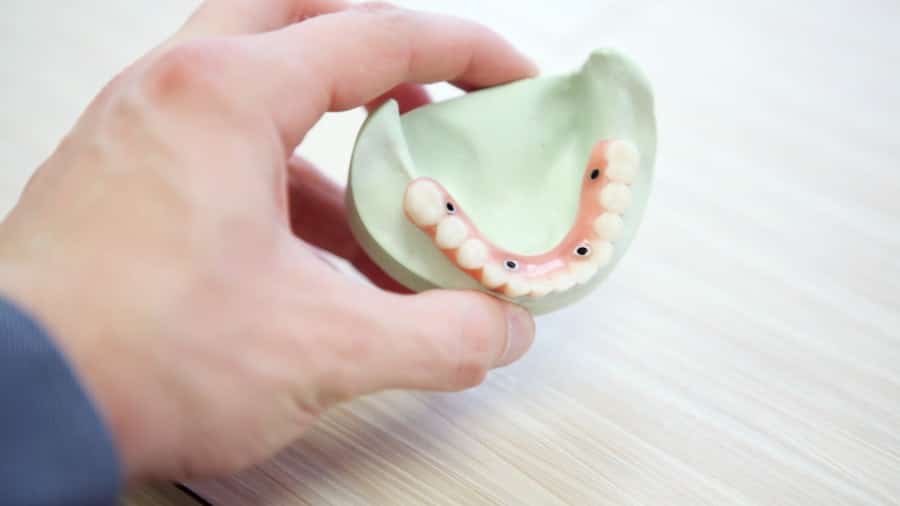
Dental professionals employ various methods to examine for dental caries effectively. One of the most common techniques is visual inspection, where your dentist will carefully examine your teeth for any visible signs of decay. This method allows them to identify surface-level issues but may not always detect problems that are developing beneath the enamel.
Therefore, it is often supplemented with other diagnostic tools to ensure a comprehensive assessment. Another method used in dental caries examination is tactile examination, where your dentist uses specialized instruments to feel for soft spots or irregularities on the tooth surface. This hands-on approach can help identify areas that may not be visible but are still at risk for decay.
Additionally, some dentists may utilize advanced technologies such as laser fluorescence or digital imaging to detect caries more accurately. These methods provide a more detailed view of your dental health and can help in formulating an effective treatment plan tailored to your needs.
Role of X-rays in Detecting Dental Caries
X-rays play a vital role in the detection of dental caries, particularly those that are not visible during a standard examination. These imaging techniques allow your dentist to see the internal structure of your teeth and jawbone, revealing cavities that may be forming between teeth or beneath existing restorations. By utilizing X-rays, your dentist can identify issues early on, which is crucial for effective treatment and prevention of further decay.
There are different types of X-rays used in dentistry, including bitewing and periapical X-rays. Bitewing X-rays are particularly useful for detecting interproximal caries—those that occur between adjacent teeth—while periapical X-rays provide a broader view of the entire tooth structure and surrounding bone. The information gathered from these images enables your dentist to make informed decisions about your treatment options and helps ensure that any necessary interventions are performed before the decay progresses.
Importance of Regular Dental Check-ups
Regular dental check-ups are essential for maintaining optimal oral health and preventing dental caries from developing or worsening. During these visits, your dentist will conduct thorough examinations, including visual inspections and X-rays, to assess your dental condition comprehensively. These routine appointments allow for early detection of potential issues, enabling timely intervention that can save you from more extensive treatments later on.
In addition to examinations, regular check-ups often include professional cleanings that remove plaque and tartar buildup from your teeth. This preventive measure is crucial because plaque harbors bacteria that contribute to tooth decay and gum disease. By committing to regular dental visits, you not only protect your teeth but also foster a relationship with your dentist who can provide personalized advice on maintaining good oral hygiene practices at home.
Treatment Options for Dental Caries

When dental caries are detected, various treatment options are available depending on the severity of the decay. For early-stage caries, fluoride treatments may be recommended to help remineralize the enamel and reverse the damage before it progresses further. This non-invasive approach can be highly effective in halting the progression of decay and preserving your natural tooth structure.
If the decay has advanced beyond the initial stages, restorative treatments such as fillings may be necessary. Your dentist will remove the decayed portion of the tooth and fill it with a suitable material, such as composite resin or amalgam, to restore its function and appearance. In more severe cases where the decay has reached the pulp of the tooth, root canal therapy may be required to remove infected tissue and save the tooth from extraction.
Understanding these treatment options empowers you to make informed decisions about your oral health and seek timely care when needed.
Preventive Measures for Dental Caries
Preventing dental caries is an achievable goal with proper care and attention to oral hygiene practices. One of the most effective preventive measures is maintaining a consistent brushing routine using fluoride toothpaste. Brushing at least twice a day helps remove plaque buildup and strengthens enamel, reducing the risk of decay significantly.
Additionally, incorporating flossing into your daily routine is essential for cleaning between teeth where toothbrushes cannot reach. Diet also plays a crucial role in preventing dental caries. Limiting sugary snacks and beverages can significantly reduce your risk of developing cavities since sugar feeds harmful bacteria in your mouth.
Instead, opt for a balanced diet rich in fruits, vegetables, whole grains, and dairy products that promote oral health. Regularly visiting your dentist for check-ups and cleanings further enhances your preventive efforts by allowing for early detection and intervention when necessary.
The Importance of Early Detection and Treatment of Dental Caries
In conclusion, understanding the importance of early detection and treatment of dental caries cannot be overstated. Regular examinations enable you to identify potential issues before they escalate into more significant problems, preserving your oral health and saving you from costly treatments down the line. By being aware of the signs and symptoms of dental caries and committing to routine check-ups, you empower yourself to take control of your dental health.
Moreover, adopting preventive measures such as proper oral hygiene practices and a balanced diet can significantly reduce your risk of developing cavities. Remember that maintaining good oral health is not just about treating problems as they arise; it’s about fostering a proactive approach that prioritizes prevention and early intervention. By doing so, you contribute not only to your well-being but also to a healthier community overall.
If you are looking for a comprehensive dental examination to check for dental caries, you may want to visit a dentist in Upland, California. They can provide a thorough assessment of your oral health and recommend any necessary treatments to prevent or treat cavities. For more information on the importance of regular dental check-ups, you can read this related article on the benefits of routine dental exams.
FAQs
What is a dental caries examination?
A dental caries examination is a thorough assessment of a person’s teeth to detect the presence of dental caries, also known as tooth decay or cavities. This examination may involve visual inspection, dental X-rays, and other diagnostic tools to identify areas of decay.
Why is a dental caries examination important?
A dental caries examination is important because it helps to identify and address tooth decay at an early stage, preventing further damage to the teeth. Early detection and treatment of dental caries can help prevent the need for more extensive and costly dental procedures in the future.
Who should undergo a dental caries examination?
Everyone should undergo regular dental caries examinations as part of their routine dental care. This includes children, adults, and older adults. Individuals with a higher risk of developing dental caries, such as those with poor oral hygiene or a diet high in sugary foods, may need more frequent examinations.
What are the common methods used in a dental caries examination?
Common methods used in a dental caries examination include visual inspection of the teeth and gums, dental X-rays to detect hidden decay between the teeth, and the use of dental instruments to check for soft spots on the teeth.
How often should a dental caries examination be performed?
The frequency of dental caries examinations may vary depending on an individual’s oral health status and risk factors for tooth decay. In general, it is recommended to have a dental examination at least once every six months, or as advised by a dentist.


