

Dental caries, commonly known as cavities, are a prevalent oral health issue among children. These are essentially areas of decay on the teeth caused by the demineralization of tooth enamel. When you think about dental caries, envision tiny holes or soft spots that develop on the surface of your child’s teeth.
This condition can lead to pain, infection, and even tooth loss if not addressed promptly. The process begins when bacteria in the mouth feed on sugars from food and drinks, producing acids that erode the enamel. Over time, this can result in significant damage to the tooth structure.
Understanding dental caries is crucial for you as a parent because early intervention can prevent more severe complications. Children are particularly susceptible to cavities due to their developing oral hygiene habits and dietary preferences. As they grow, their teeth are still forming and may not be as resilient as adult teeth.
Therefore, recognizing the signs of dental caries and taking proactive measures can help ensure your child’s oral health remains intact.
Key Takeaways
- Dental caries in children are also known as tooth decay or cavities, and they occur when bacteria in the mouth produce acids that destroy the tooth enamel.
- The main causes of dental caries in children include poor oral hygiene, frequent consumption of sugary foods and drinks, and lack of fluoride.
- Signs and symptoms of dental caries in children may include toothache, tooth sensitivity, visible holes or pits in the teeth, and discoloration.
- Prevention and early detection of dental caries in children are crucial for maintaining good oral health and avoiding more serious dental problems in the future.
- Treatment options for dental caries in children may include fluoride treatments, dental fillings, crowns, and in severe cases, tooth extraction.
Causes of dental caries in children
The causes of dental caries in children are multifaceted, often stemming from a combination of dietary habits, oral hygiene practices, and genetic predispositions. One of the primary culprits is the consumption of sugary foods and beverages. When your child indulges in candies, sodas, or even fruit juices, the sugars interact with bacteria in the mouth, leading to acid production that erodes tooth enamel.
This is particularly concerning for young children who may not yet understand the importance of moderation when it comes to sweets. In addition to diet, inadequate oral hygiene plays a significant role in the development of cavities. If your child is not brushing their teeth effectively or regularly, plaque can build up on their teeth.
This sticky film contains bacteria that thrive on sugar and produce acids that attack the enamel. Furthermore, certain medical conditions or medications that cause dry mouth can exacerbate the risk of dental caries by reducing saliva flow, which is essential for neutralizing acids and washing away food particles. As a parent, being aware of these factors can help you guide your child toward healthier habits.
Signs and symptoms of dental caries in children
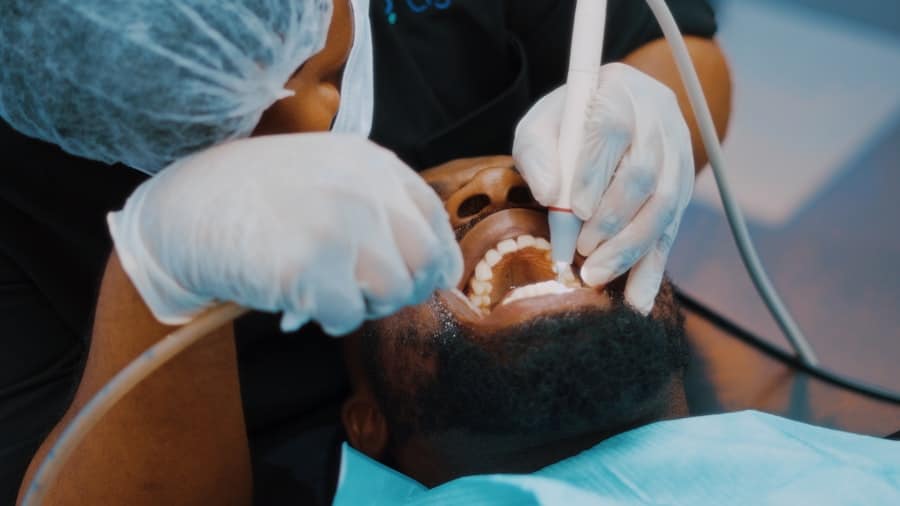
Recognizing the signs and symptoms of dental caries in your child is vital for timely intervention. Initially, you may notice white spots on their teeth, which indicate demineralization. These spots can be subtle but are often the first sign that decay is beginning to take hold.
As the condition progresses, you might observe brown or black spots on the teeth, indicating more advanced decay. If your child begins to complain of tooth sensitivity or pain, especially when consuming hot or cold foods and drinks, it may be a clear indication that cavities have formed. In some cases, dental caries can lead to more severe symptoms such as swelling or redness around the gums, bad breath, or even difficulty chewing.
If you notice any of these signs, it’s essential to consult a dentist as soon as possible. Early detection can make a significant difference in treatment outcomes and help prevent further complications. By staying vigilant and attentive to your child’s oral health, you can play an active role in ensuring they receive the care they need.
The importance of prevention and early detection
Prevention and early detection of dental caries are paramount for maintaining your child’s oral health. By taking proactive measures, you can significantly reduce the risk of cavities developing in the first place. Regular dental check-ups are essential; these visits allow professionals to monitor your child’s teeth and catch any potential issues before they escalate into more serious problems.
Dentists can provide fluoride treatments and sealants that offer additional protection against decay. Moreover, instilling good oral hygiene habits at an early age sets the foundation for a lifetime of healthy teeth. Teaching your child to brush twice a day with fluoride toothpaste and floss daily can help remove plaque and food particles that contribute to cavities.
Encouraging them to develop a routine around their oral care not only helps prevent dental caries but also fosters a sense of responsibility for their health. As a parent, your involvement in these practices is crucial; your guidance can empower your child to prioritize their oral hygiene.
Treatment options for dental caries in children
When it comes to treating dental caries in children, several options are available depending on the severity of the decay. For early-stage cavities that have not yet penetrated deeply into the tooth structure, fluoride treatments may be recommended. These treatments help remineralize the enamel and can sometimes reverse early decay if caught in time.
Your dentist may also suggest applying dental sealants to protect vulnerable areas from future decay. For more advanced cavities that have caused significant damage, restorative procedures may be necessary. This could involve filling the cavity with materials such as composite resin or amalgam to restore the tooth’s function and appearance.
In cases where decay has progressed to the point of infection or severe damage, more invasive treatments like root canals or even extractions may be required. Understanding these treatment options allows you to make informed decisions about your child’s dental care and ensures they receive appropriate interventions when needed.
Tips for parents to help prevent dental caries in their children
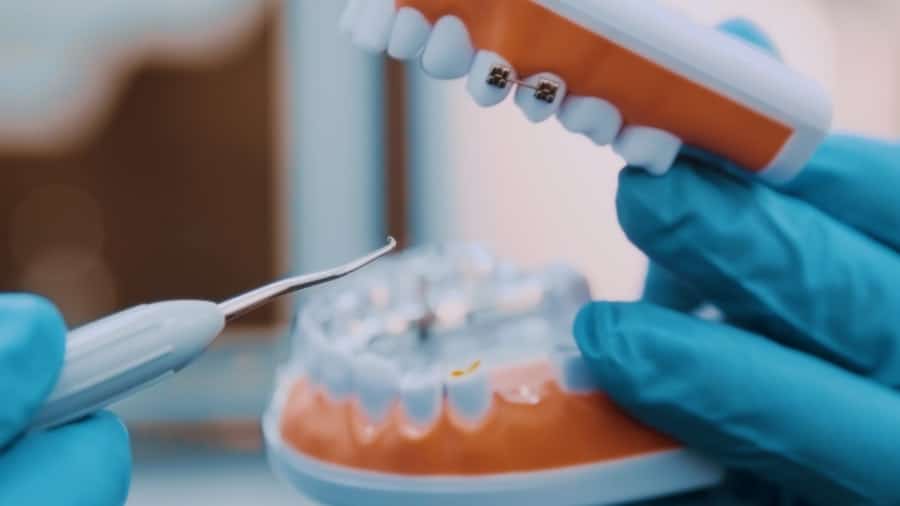
Establishing a Consistent Oral Hygiene Routine
Encourage your child to brush their teeth twice daily with fluoride toothpaste and supervise their brushing until they develop proper technique and independence.
Flossing should also be introduced as soon as two teeth touch each other; this helps remove plaque from areas that toothbrushes cannot reach.
Introducing Flossing and Healthy Eating Habits
Another important tip is to limit sugary snacks and beverages in your child’s diet. Instead of offering candy or soda as treats, consider healthier alternatives like fruits or yogurt.
Additionally, encourage your child to drink plenty of water throughout the day; this not only helps wash away food particles but also promotes saliva production, which is essential for neutralizing acids in the mouth.
Promoting Saliva Production and Reducing Sugar Intake
By fostering healthy eating habits and maintaining an effective oral care routine, you can significantly reduce your child’s risk of developing dental caries.
Long-Term Benefits of a Healthy Oral Care Routine
The role of diet in preventing dental caries in children
Diet plays a crucial role in preventing dental caries among children. The foods and beverages your child consumes directly impact their oral health; therefore, making informed choices is essential. Foods high in sugar can lead to an increase in acid production by bacteria in the mouth, which accelerates tooth decay.
It’s important to educate your child about making healthier food choices while also modeling these behaviors yourself. Incorporating a balanced diet rich in fruits, vegetables, whole grains, lean proteins, and dairy products can provide essential nutrients that support strong teeth and gums. Foods high in calcium and phosphorus are particularly beneficial for maintaining healthy enamel.
Additionally, crunchy fruits and vegetables like apples and carrots can help stimulate saliva production while naturally cleaning teeth as they are eaten. By emphasizing the importance of a nutritious diet, you empower your child to take charge of their oral health.
The impact of dental caries on children’s oral health and overall well-being
The impact of dental caries extends beyond just oral health; it can significantly affect your child’s overall well-being as well. Untreated cavities can lead to pain and discomfort, making it difficult for your child to eat properly or concentrate at school. This discomfort can result in missed school days or decreased participation in activities they enjoy due to fear of pain or embarrassment about their teeth.
Moreover, there is a psychological aspect associated with poor oral health; children with visible cavities may experience low self-esteem or social anxiety due to concerns about their appearance or bad breath. This can hinder their ability to form friendships or engage confidently with peers. By prioritizing preventive measures against dental caries and ensuring timely treatment when necessary, you contribute not only to your child’s oral health but also to their overall quality of life and emotional well-being.
If you are looking for more information on dental care for children, you may want to check out this article on preventing dental caries in children. It provides helpful tips and advice on how to protect your child’s teeth from decay and cavities. Taking your child to a dentist regularly, such as one in Little Rock, Arkansas, can also help ensure their oral health is in good condition.
FAQs
What are dental caries in children?
Dental caries, also known as tooth decay or cavities, are the result of bacteria in the mouth producing acid that destroys the tooth enamel and forms a cavity.
What causes dental caries in children?
Dental caries in children are primarily caused by poor oral hygiene, frequent consumption of sugary foods and drinks, and lack of fluoride.
How can dental caries in children be prevented?
Prevention of dental caries in children involves regular brushing and flossing, limiting sugary snacks and drinks, and receiving fluoride treatments.
What are the symptoms of dental caries in children?
Symptoms of dental caries in children may include toothache, tooth sensitivity, visible holes or pits in the teeth, and discoloration of the teeth.
How are dental caries in children treated?
Treatment for dental caries in children may involve dental fillings, crowns, or in more severe cases, root canal treatment or tooth extraction. Regular dental check-ups are important for early detection and treatment.


