
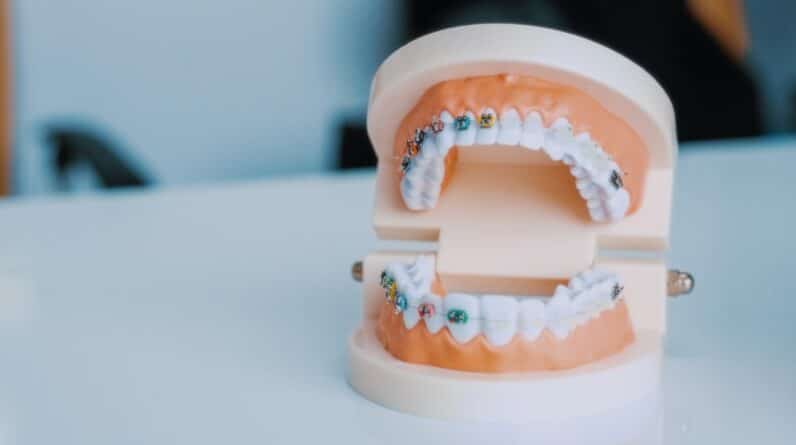
Dental cavities, also known as caries or tooth decay, are one of the most common dental issues that people face. They occur when the hard surface of your teeth is damaged due to the action of bacteria that produce acids. These acids can erode the enamel, which is the protective outer layer of your teeth, leading to small holes or openings.
If left untreated, cavities can progress deeper into the tooth, potentially reaching the pulp and causing severe pain or infection. You might notice symptoms such as sensitivity to hot or cold foods, visible holes in your teeth, or even pain when biting down. Understanding the formation of cavities is crucial for prevention.
The process begins with plaque, a sticky film of bacteria that forms on your teeth after eating. When you consume sugary or carbohydrate-rich foods, the bacteria in plaque feed on these sugars and produce acids as a byproduct. Over time, these acids can demineralize the enamel, leading to the formation of cavities.
Regular dental check-ups and good oral hygiene practices, such as brushing and flossing, are essential in combating this common dental problem.
Key Takeaways
- Dental cavities are decayed areas of the teeth caused by bacteria and plaque buildup
- X-rays play a crucial role in detecting dental cavities by revealing areas of decay not visible to the naked eye
- Dental X-rays work by using radiation to capture images of the teeth and underlying structures
- Types of dental X-rays used to detect cavities include bitewing, periapical, and panoramic X-rays
- The benefits of using X-rays to detect cavities include early detection, accurate diagnosis, and effective treatment planning
The role of X-rays in detecting dental cavities
Early Detection of Cavities
They allow your dentist to see beneath the surface of your teeth and identify decay that may be hidden between teeth or beneath existing fillings. By detecting cavities early, you can receive treatment before they progress into more serious dental problems.
Assessing Overall Dental Health
The use of X-rays in dentistry is not just about identifying existing cavities; it also helps in assessing the overall health of your teeth and jawbone. For instance, X-rays can reveal bone loss due to periodontal disease or other underlying issues that may not be immediately apparent during a routine examination.
Creating Effective Treatment Plans
This comprehensive view enables your dentist to create a more effective treatment plan tailored to your specific needs. By utilizing X-rays, your dentist can develop a personalized approach to address any dental issues you may have, ensuring the best possible outcome for your oral health.
How do dental X-rays work?
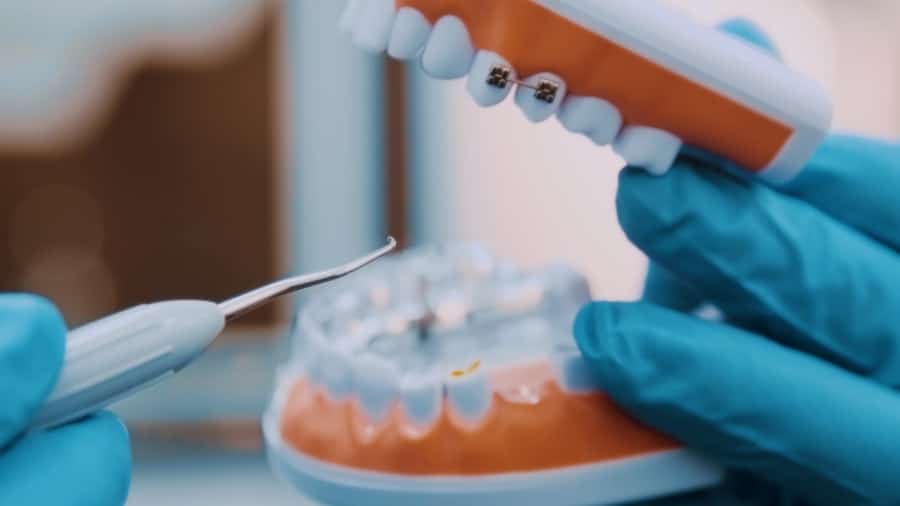
Dental X-rays work by using a small amount of radiation to create images of your teeth and surrounding structures. When you visit the dentist for an X-ray, a small device called a radiographic film or digital sensor is placed in your mouth. The X-ray machine then emits radiation that passes through your teeth and jawbone, capturing images on the film or sensor.
The denser structures, such as teeth and bone, appear white on the X-ray, while softer tissues show up in shades of gray or black. The process is quick and generally painless. You may be asked to bite down on a small piece of film or hold a sensor in place while the X-ray is taken.
Your dentist will then analyze the images to look for signs of cavities, infections, or other dental issues. The ability to visualize internal structures allows for a more accurate diagnosis and helps in planning appropriate treatments.
Types of dental X-rays used to detect cavities
There are several types of dental X-rays that your dentist may use to detect cavities, each serving a specific purpose. The most common type is the bitewing X-ray, which captures images of the upper and lower teeth in one area of your mouth simultaneously. This type is particularly effective for detecting cavities between teeth and assessing the health of the bone surrounding them.
Another type is the periapical X-ray, which focuses on one or two specific teeth and shows the entire tooth structure from crown to root. This type is useful for identifying issues below the gum line or problems with the tooth roots. Additionally, panoramic X-rays provide a broad view of your entire mouth, including all teeth and jaw structures, making them helpful for assessing overall dental health and planning treatments like extractions or orthodontics.
The benefits of using X-rays to detect cavities
The benefits of using X-rays for cavity detection are numerous. First and foremost, they allow for early diagnosis, which is crucial in preventing more extensive damage to your teeth. Early detection means that treatment can be less invasive and more cost-effective.
For instance, if a cavity is caught early enough, it may only require a simple filling rather than more complex procedures like root canals or crowns. Moreover, X-rays provide a comprehensive view of your oral health that goes beyond what can be seen during a visual examination alone. They help identify hidden issues such as impacted teeth, bone loss, and infections that could lead to more serious complications if left untreated.
By utilizing X-rays as part of your regular dental care routine, you can ensure that any potential problems are addressed promptly, contributing to better long-term oral health.
Risks and concerns associated with dental X-rays

While dental X-rays are generally safe and beneficial for detecting cavities, there are some risks and concerns associated with their use. One primary concern is exposure to radiation. Although the amount of radiation used in dental X-rays is minimal—much lower than what you would receive from other medical imaging procedures—some individuals may still worry about cumulative exposure over time.
However, advancements in technology have led to digital X-rays that use even less radiation than traditional film-based methods. Another concern is the potential for misinterpretation of X-ray images. While dentists are trained to analyze these images accurately, there is always a possibility of human error.
Misdiagnosis can lead to unnecessary treatments or missed opportunities for early intervention. It’s essential to have open communication with your dentist about any concerns you may have regarding X-ray use and to ensure that they are using appropriate techniques for accurate diagnosis.
How often should dental X-rays be taken to detect cavities?
The frequency with which you should have dental X-rays taken depends on various factors, including your age, oral health history, and risk factors for dental disease. For most adults with good oral health and no significant risk factors for cavities or gum disease, dentists typically recommend having bitewing X-rays taken every one to two years. However, if you have a history of cavities or other dental issues, your dentist may suggest more frequent imaging.
For children and adolescents, who are still developing their teeth and jaws, more regular X-rays may be necessary to monitor growth and detect cavities early on. Your dentist will assess your individual situation and recommend an appropriate schedule based on your specific needs and risk factors.
Alternatives to X-rays for detecting dental cavities
While X-rays are a valuable tool for detecting cavities, there are alternative methods that can also aid in diagnosis. One such method is visual examination combined with advanced diagnostic tools like fiber-optic transillumination (FOTI). This technique uses light to illuminate the tooth structure, allowing dentists to see through enamel and identify early signs of decay that may not be visible through traditional methods.
Another alternative is laser cavity detection technology, which uses lasers to measure changes in tooth structure associated with decay. This method can provide real-time feedback on tooth health without exposing you to radiation. Additionally, some dentists may use diagnostic dyes that highlight areas of decay during an examination.
In conclusion, while dental X-rays remain one of the most effective ways to detect cavities early on, it’s essential to consider all available options for maintaining your oral health. Regular check-ups with your dentist will ensure that you receive personalized care tailored to your needs while keeping an eye on potential issues before they escalate into more significant problems.
If you are looking for more information on dental cavities and how they can be detected through X-rays, check out this article from Dentist in Philadelphia, Pennsylvania. This article provides valuable insights into the importance of regular dental check-ups and the role X-rays play in detecting cavities early on. It also discusses the various treatment options available for addressing cavities and maintaining good oral health.
FAQs
What is a dental cavity?
A dental cavity, also known as tooth decay, is a hole or structural damage in the teeth caused by bacteria and acids.
What is a dental cavity X-ray?
A dental cavity X-ray is a type of dental X-ray that is used to detect cavities or tooth decay in the teeth. It can help dentists identify cavities that may not be visible during a regular dental examination.
How is a dental cavity X-ray performed?
During a dental cavity X-ray, the patient will be asked to bite down on a small piece of plastic while the X-ray machine is positioned next to the cheek. The dentist or dental technician will then take the X-ray images of the teeth.
Why is a dental cavity X-ray necessary?
A dental cavity X-ray is necessary to detect cavities that may not be visible to the naked eye, especially in between the teeth or below the gum line. It helps dentists to accurately diagnose and treat dental cavities.
Are dental cavity X-rays safe?
Dental cavity X-rays are considered safe, as they use a very low level of radiation. However, pregnant women should inform their dentist before getting an X-ray, and proper precautions should be taken for children.
How often should dental cavity X-rays be taken?
The frequency of dental cavity X-rays depends on the individual’s oral health and risk of developing cavities. Generally, they are recommended every 6 to 18 months for adults and every 6 to 12 months for children.


