

Tooth decay under a dental bridge is a significant concern that can affect your oral health and overall well-being. A dental bridge is a common restorative procedure used to replace missing teeth, providing both functional and aesthetic benefits. However, the area beneath the bridge can become susceptible to decay if not properly cared for.
Understanding how this decay occurs is crucial for maintaining your dental health. When a bridge is placed, it typically involves anchoring the prosthetic tooth to the adjacent natural teeth, which can create spaces that are difficult to clean effectively. These areas can trap food particles and bacteria, leading to plaque buildup and, ultimately, tooth decay.
The process of decay under a bridge often begins subtly. You may not notice any immediate changes, but over time, the bacteria can erode the enamel of the supporting teeth. This decay can compromise the integrity of the bridge itself, leading to further complications.
It’s essential to recognize that while dental bridges are designed to last for many years, neglecting oral hygiene can significantly shorten their lifespan. By understanding the mechanics of tooth decay under a bridge, you can take proactive steps to protect your dental health and ensure that your bridge remains functional and aesthetically pleasing for as long as possible.
Key Takeaways
- Tooth decay under a dental bridge occurs when bacteria and plaque build up around the bridge, leading to decay of the natural tooth structure.
- Causes of tooth decay under a bridge include poor oral hygiene, consumption of sugary foods and drinks, and lack of regular dental check-ups.
- Signs and symptoms of tooth decay under a bridge may include tooth sensitivity, pain when biting or chewing, and visible discoloration around the bridge area.
- Prevention of tooth decay under a bridge involves maintaining good oral hygiene, avoiding sugary foods, and attending regular dental check-ups for professional cleanings and examinations.
- Treatment options for tooth decay under a bridge may include dental fillings, root canal therapy, or in severe cases, bridge replacement or extraction of the affected tooth.
Causes of Tooth Decay Under Bridge
Oral Hygiene and Plaque Accumulation
Inadequate oral hygiene is a primary contributor to tooth decay under a dental bridge. Failure to brush and floss regularly allows plaque to build up around the bridge and on the supporting teeth. This sticky film of bacteria produces acids, leading to the demineralization of tooth enamel and potentially causing cavities to form beneath the bridge.
Bridge Design and Fit
The design and fit of the dental bridge itself can also contribute to tooth decay. A poorly fitting bridge can create gaps or spaces that are difficult to clean, providing an ideal environment for bacteria to thrive and increasing the risk of decay.
Dietary Choices and Prevention
Certain dietary choices can exacerbate the problem of tooth decay under a dental bridge. Consuming sugary or acidic foods and beverages can promote plaque formation and accelerate tooth decay. However, understanding these causes enables individuals to take preventive measures and maintain better oral hygiene practices to protect their dental bridge.
Signs and Symptoms of Tooth Decay Under Bridge
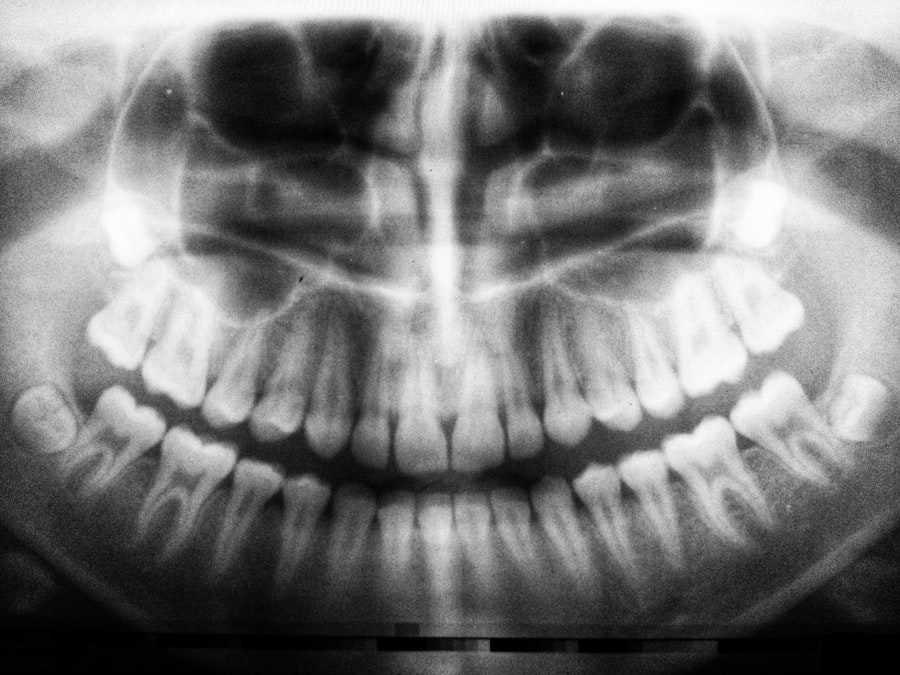
Recognizing the signs and symptoms of tooth decay under a dental bridge is vital for early intervention. One of the first indicators may be increased sensitivity in the area surrounding the bridge. You might experience discomfort when consuming hot or cold foods and beverages, which could signal that decay is affecting the underlying teeth.
Additionally, you may notice discoloration or dark spots on the supporting teeth or around the edges of the bridge, indicating potential decay. As the decay progresses, you might experience more pronounced symptoms such as persistent pain or discomfort in the affected area. Bad breath or an unpleasant taste in your mouth can also be signs of decay, as bacteria produce foul-smelling compounds.
If you notice any of these symptoms, it’s essential to consult with your dentist promptly. Early detection and treatment can prevent further damage and preserve both your dental health and the integrity of your bridge.
Prevention of Tooth Decay Under Bridge
Preventing tooth decay under a dental bridge requires a proactive approach to oral hygiene and regular dental care. One of the most effective strategies is to establish a consistent brushing routine. You should brush your teeth at least twice a day using fluoride toothpaste, paying special attention to the areas around your bridge and supporting teeth.
Flossing daily is equally important, as it helps remove food particles and plaque from between your teeth and beneath the bridge where a toothbrush may not reach. In addition to maintaining good oral hygiene practices, regular dental check-ups are crucial for preventing decay under a bridge. Your dentist can perform professional cleanings to remove plaque and tartar buildup that you may miss at home.
They can also monitor the condition of your bridge and surrounding teeth, identifying any early signs of decay before they become more serious issues. Furthermore, consider discussing dietary choices with your dentist; reducing sugar intake and consuming a balanced diet can significantly lower your risk of developing cavities.
Treatment Options for Tooth Decay Under Bridge
If you discover that you have tooth decay under your dental bridge, it’s essential to seek treatment promptly to prevent further complications. The treatment options available will depend on the extent of the decay. In its early stages, your dentist may recommend a simple filling for any cavities that have formed on the supporting teeth.
This procedure involves removing the decayed portion of the tooth and filling it with a suitable material to restore its structure and function. In more advanced cases where decay has significantly compromised the supporting teeth, more extensive treatment may be necessary. This could involve root canal therapy if the decay has reached the pulp of the tooth, followed by placing a new crown on top of the treated tooth to support the bridge effectively.
In severe situations where the supporting teeth are too damaged to salvage, your dentist may recommend replacing the entire bridge or considering alternative restorative options such as implants. Understanding these treatment options empowers you to make informed decisions about your dental health.
Complications of Untreated Tooth Decay Under Bridge
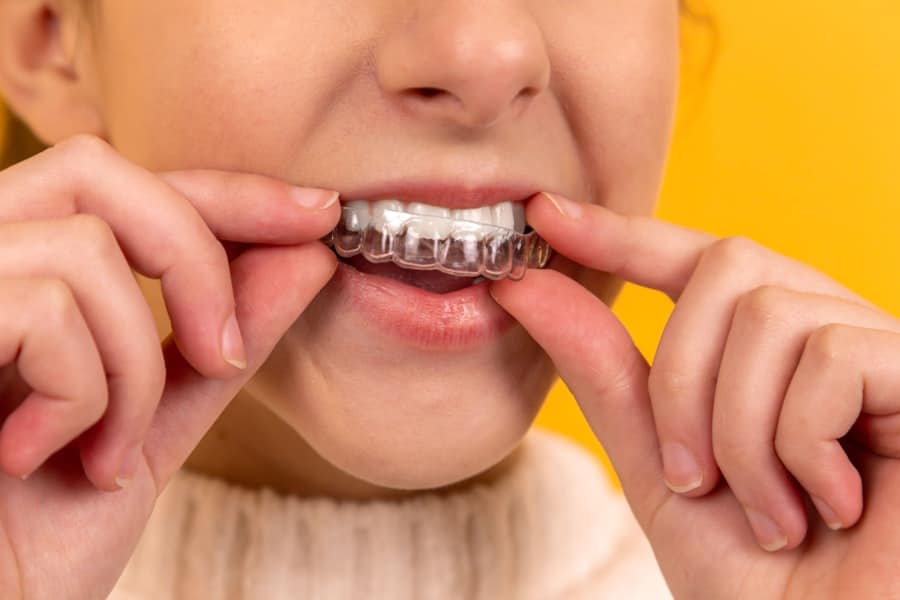
Ignoring tooth decay under a dental bridge can lead to several serious complications that may affect not only your oral health but also your overall well-being. One significant risk is the potential loss of supporting teeth due to extensive decay. If left untreated, decay can progress to a point where extraction becomes necessary, resulting in further gaps in your smile and potentially requiring additional restorative work.
Moreover, untreated decay can lead to infections that may spread beyond the mouth, causing systemic health issues. Oral infections have been linked to various conditions such as heart disease and diabetes, highlighting the importance of addressing dental problems promptly. Additionally, complications from untreated decay can lead to increased pain and discomfort, affecting your ability to eat and speak comfortably.
By recognizing these potential complications, you can prioritize your dental health and seek timely treatment when necessary.
Maintaining Oral Hygiene with a Dental Bridge
Maintaining oral hygiene with a dental bridge requires diligence and commitment to proper care practices. You should develop a routine that includes brushing at least twice daily with fluoride toothpaste while ensuring you clean around and beneath the bridge thoroughly. Using a soft-bristled toothbrush can help prevent damage to both natural teeth and the bridge itself while effectively removing plaque.
Flossing is equally important in maintaining oral hygiene with a dental bridge. You may find it beneficial to use floss threaders or interdental brushes designed specifically for cleaning around bridges and other dental appliances. These tools can help you reach areas that traditional floss may struggle with, ensuring that food particles and plaque are removed effectively.
Additionally, consider using an antibacterial mouthwash as part of your routine; this can help reduce bacteria in your mouth and provide an extra layer of protection against decay.
Seeking Professional Help for Tooth Decay Under Bridge
When it comes to managing tooth decay under a dental bridge, seeking professional help is crucial for effective treatment and prevention strategies. If you suspect that you have developed decay or are experiencing any symptoms associated with it, don’t hesitate to schedule an appointment with your dentist. They possess the expertise necessary to diagnose issues accurately and recommend appropriate treatment options tailored to your specific needs.
Regular dental visits are essential for maintaining not only your dental bridge but also your overall oral health. Your dentist can provide professional cleanings that remove stubborn plaque buildup and monitor any changes in your dental condition over time. By prioritizing professional care alongside your home hygiene practices, you can significantly reduce your risk of developing tooth decay under your bridge and ensure that it remains a functional part of your smile for years to come.
If you are interested in learning more about emerging technologies in dental care, check out the article Emerging Technologies in Dental Care. This article discusses how advancements in technology are revolutionizing the field of dentistry and improving patient outcomes. It may provide valuable insights into how new technologies can help prevent issues like tooth decay under bridges.
FAQs
What is tooth decay under a bridge?
Tooth decay under a bridge refers to the deterioration of the tooth structure that supports the bridge. This decay can occur due to poor oral hygiene, plaque buildup, or other factors that lead to the breakdown of the tooth’s enamel and underlying structures.
What are the causes of tooth decay under a bridge?
The causes of tooth decay under a bridge are similar to those of tooth decay in general, including poor oral hygiene, consumption of sugary or acidic foods and drinks, and bacteria buildup. Additionally, the presence of a bridge can make it more difficult to clean the area properly, leading to an increased risk of decay.
What are the symptoms of tooth decay under a bridge?
Symptoms of tooth decay under a bridge may include tooth sensitivity, pain when biting or chewing, visible holes or pits in the teeth, and discoloration of the affected teeth. In some cases, there may be no symptoms at all, making regular dental check-ups important for early detection.
How is tooth decay under a bridge treated?
Treatment for tooth decay under a bridge may involve removing the decayed portion of the tooth and replacing it with a filling, crown, or other restoration. In some cases, the bridge may need to be removed temporarily to allow for proper cleaning and treatment of the decayed area.
How can tooth decay under a bridge be prevented?
Preventing tooth decay under a bridge involves maintaining good oral hygiene, including regular brushing and flossing, as well as visiting the dentist for regular check-ups and cleanings. Avoiding sugary and acidic foods and drinks, and using fluoride toothpaste can also help prevent decay.


