
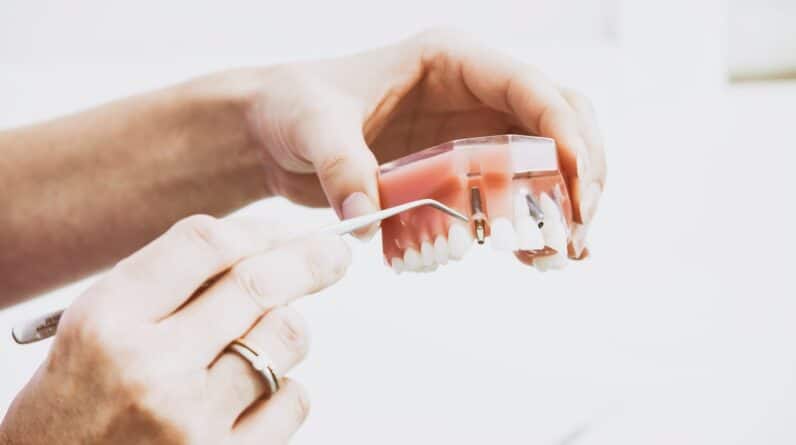
Tooth decay under a crown can be a perplexing issue, especially when you believe that the protective covering should shield your tooth from harm. A dental crown is designed to restore the shape, size, and function of a damaged tooth, but it is not impervious to decay. Understanding how decay can occur beneath a crown is crucial for maintaining your oral health.
The crown itself is typically made from durable materials such as porcelain, metal, or a combination of both, which can withstand significant wear and tear. However, the underlying tooth structure remains vulnerable to the same factors that cause decay in natural teeth. When a crown is placed, it is essential that the underlying tooth is adequately prepared and sealed.
If there are any gaps or imperfections in the fit of the crown, bacteria can infiltrate these spaces, leading to decay. Additionally, if the tooth was already compromised before the crown was placed, it may have existing decay that can worsen over time. Understanding these dynamics can help you appreciate the importance of regular dental check-ups and proper oral hygiene practices to ensure that your crowned tooth remains healthy.
Key Takeaways
- Tooth decay under a crown occurs when bacteria and plaque build up around the edges of the crown, leading to decay of the underlying tooth structure.
- Causes of tooth decay under a crown include poor oral hygiene, improper fit of the crown, and consuming sugary or acidic foods and drinks.
- Signs and symptoms of tooth decay under a crown may include tooth sensitivity, pain when biting or chewing, and visible discoloration around the edges of the crown.
- Prevention of tooth decay under a crown involves maintaining good oral hygiene, regular dental check-ups, and avoiding harmful habits like teeth grinding.
- Treatment options for tooth decay under a crown may include replacing the crown, removing decayed tooth structure, and possibly root canal therapy if the decay has reached the tooth’s nerve.
- Risks and complications of untreated tooth decay under a crown can include infection, abscess, and potential loss of the tooth.
- Maintenance and care for crowns to prevent tooth decay involves regular brushing and flossing, using fluoride products, and avoiding hard or sticky foods that can damage the crown.
- Seeking professional help for tooth decay under a crown is crucial for proper diagnosis, treatment, and long-term oral health. Regular dental check-ups are essential for early detection and prevention of decay.
Causes of Tooth Decay Under Crown
Several factors contribute to the development of tooth decay under a crown. One primary cause is poor oral hygiene. If you neglect your daily brushing and flossing routine, plaque can accumulate around the edges of the crown.
This plaque harbors bacteria that produce acids capable of eroding the tooth structure beneath the crown. Over time, this can lead to cavities and further complications if left untreated. Another significant factor is the quality of the dental work performed when placing the crown.
If the crown does not fit properly or if there are gaps between the crown and the tooth, bacteria can easily enter and thrive in these spaces. Additionally, if the dental cement used to secure the crown is inadequate or deteriorates over time, it can create an environment conducive to decay. Understanding these causes can empower you to take proactive steps in maintaining your oral health and ensuring that your crowns remain effective.
Signs and Symptoms of Tooth Decay Under Crown

Recognizing the signs and symptoms of tooth decay under a crown is vital for early intervention. One of the most common indicators is sensitivity to hot or cold temperatures. If you notice that your crowned tooth becomes painful when consuming hot beverages or cold foods, it may signal that decay is present beneath the crown.
This sensitivity occurs because the decay can irritate the nerve endings in the tooth. Another symptom to watch for is discoloration around the edges of the crown. If you observe darkening or staining at the junction where the crown meets your natural tooth, it could indicate that decay is developing.
Additionally, you may experience persistent pain or discomfort in the area surrounding the crowned tooth, which can be a sign of infection or advanced decay. Being vigilant about these symptoms can help you seek timely dental care and prevent further complications.
Prevention of Tooth Decay Under Crown
Preventing tooth decay under a crown requires a combination of good oral hygiene practices and regular dental visits. You should brush your teeth at least twice a day with fluoride toothpaste and floss daily to remove plaque and food particles from around your crowns. Using an antibacterial mouthwash can also help reduce bacteria in your mouth, further protecting your crowned teeth.
In addition to maintaining a diligent oral hygiene routine, regular check-ups with your dentist are essential. During these visits, your dentist can assess the condition of your crowns and check for any signs of decay or other issues. Professional cleanings can remove tartar buildup that regular brushing may miss, ensuring that your crowns remain in optimal condition.
By taking these preventive measures, you can significantly reduce your risk of developing decay under your crowns.
Treatment Options for Tooth Decay Under Crown
If you discover that you have tooth decay under a crown, it’s important to address it promptly to avoid further complications. The treatment options available will depend on the extent of the decay. In some cases, if the decay is minor and has not affected the integrity of the crown, your dentist may be able to clean out the decayed area and fill it with a dental material designed for this purpose.
However, if the decay is more extensive or has compromised the structure of the crowned tooth significantly, you may need to have the crown removed entirely. Your dentist will then assess the underlying tooth for damage and may recommend a root canal if decay has reached the pulp of the tooth. After treating any underlying issues, a new crown may be placed to restore function and aesthetics.
Understanding these treatment options can help you feel more prepared should you face this situation.
Risks and Complications of Untreated Tooth Decay Under Crown

Ignoring tooth decay under a crown can lead to serious consequences for your oral health. One significant risk is the potential for infection. As decay progresses, it can reach deeper layers of the tooth and even enter the bloodstream, leading to systemic health issues.
An untreated infection may require more invasive treatments such as root canals or even extraction of the affected tooth. Additionally, untreated decay can compromise the stability of your crown itself. If the underlying tooth structure deteriorates significantly, it may no longer support the crown effectively, leading to its failure.
This could result in additional costs for replacement crowns and further dental procedures. By recognizing these risks, you can appreciate the importance of addressing any signs of decay promptly.
Maintenance and Care for Crowns to Prevent Tooth Decay
Proper maintenance and care for your crowns are essential in preventing tooth decay and ensuring their longevity. You should treat crowned teeth with extra care by avoiding hard foods that could potentially damage them. Chewing ice or hard candies can put undue stress on crowns, leading to cracks or dislodgement.
In addition to being gentle with your crowned teeth, consider using a soft-bristled toothbrush to avoid damaging both your crowns and surrounding gum tissue. Regularly replacing your toothbrush every three months or sooner if bristles become frayed will also help maintain effective cleaning. Furthermore, incorporating dental products specifically designed for sensitive teeth can provide additional protection against decay while keeping your mouth healthy.
Seeking Professional Help for Tooth Decay Under Crown
If you suspect that you have developed tooth decay under a crown or are experiencing any concerning symptoms, seeking professional help should be your priority. Your dentist has the expertise and tools necessary to accurately diagnose any issues related to your crowns and provide appropriate treatment options tailored to your needs. During your visit, be open about any symptoms you are experiencing so that your dentist can conduct a thorough examination.
They may use X-rays to assess the condition of both your crowned tooth and surrounding structures. Early intervention is key in managing tooth decay effectively; therefore, don’t hesitate to reach out for professional assistance when needed. By prioritizing your dental health and seeking help promptly, you can ensure that your crowns remain functional and free from decay for years to come.
If you are experiencing tooth decay under a crown, it is important to seek the expertise of a prosthodontist. These specialists are trained to address complex dental issues, including those related to crowns and bridges. To find a prosthodontist in Raleigh, North Carolina, visit dentistinnear.me. It is crucial to prioritize your oral health and seek affordable dental care to prevent further complications. Learn more about finding affordable dental care at dentistinnear.me.
FAQs
What is tooth decay under a crown?
Tooth decay under a crown refers to the development of cavities or decay in the tooth structure that lies beneath a dental crown. This can occur when the crown becomes loose or damaged, allowing bacteria to enter and cause decay.
What causes tooth decay under a crown?
Tooth decay under a crown can be caused by a variety of factors, including poor oral hygiene, improper fitting of the crown, recurrent decay from previous dental work, or damage to the crown that allows bacteria to enter and cause decay.
What are the symptoms of tooth decay under a crown?
Symptoms of tooth decay under a crown may include tooth sensitivity, pain when biting or chewing, discoloration around the edges of the crown, or a foul taste or odor in the mouth. In some cases, there may be no symptoms at all, making regular dental check-ups important for early detection.
How is tooth decay under a crown treated?
Treatment for tooth decay under a crown may involve removing the crown, cleaning out the decay, and placing a new crown. In some cases, a root canal may be necessary if the decay has reached the inner pulp of the tooth. Prevention is key, so maintaining good oral hygiene and attending regular dental check-ups is important.
Can tooth decay under a crown be prevented?
Tooth decay under a crown can be prevented by maintaining good oral hygiene, including regular brushing and flossing, and attending regular dental check-ups. It is also important to address any issues with the fit or condition of the crown promptly to prevent bacteria from entering and causing decay.


