

Tooth decay, also known as dental caries, is a common yet serious condition that affects individuals of all ages. It occurs when the enamel, the hard outer layer of your teeth, is eroded by acids produced by bacteria that feed on sugars in your mouth. This process begins with the formation of plaque, a sticky film that forms on your teeth.
If not removed through proper oral hygiene, plaque can harden into tartar, leading to further complications. As you consume sugary or carbohydrate-rich foods, the bacteria in your mouth convert these substances into acids, which can gradually wear away your enamel and create cavities. Understanding the stages of tooth decay is crucial for prevention.
Initially, you may notice white spots on your teeth, indicating demineralization. If left untreated, these spots can progress to cavities, which are holes in your teeth that can lead to pain and infection. In severe cases, untreated tooth decay can result in tooth loss.
Recognizing the early signs of decay and taking proactive measures can help you maintain a healthy smile and avoid more serious dental issues down the line.
Key Takeaways
- Tooth decay is caused by bacteria in the mouth that produce acids, which can damage the enamel of the teeth.
- Good oral hygiene is crucial for preventing tooth decay, including regular brushing and flossing.
- Dietary changes, such as reducing sugar intake and consuming more calcium-rich foods, can help prevent tooth decay.
- Regular dental check-ups are important for early detection and treatment of tooth decay and other oral health issues.
- Proper brushing and flossing techniques, as well as using fluoride products, are essential for maintaining good oral hygiene and preventing tooth decay.
Importance of Oral Hygiene
Maintaining good oral hygiene is essential for preventing tooth decay and ensuring overall dental health. You may think of oral hygiene as simply brushing your teeth, but it encompasses a broader range of practices that work together to keep your mouth healthy. Regular brushing and flossing help remove food particles and plaque from your teeth and gums, reducing the risk of cavities and gum disease.
By establishing a consistent oral hygiene routine, you can significantly lower your chances of developing tooth decay. In addition to brushing and flossing, using mouthwash can be an effective way to enhance your oral hygiene regimen. Mouthwash can help kill bacteria that cause plaque and bad breath while providing an extra layer of protection for your teeth.
Furthermore, it’s important to remember that oral hygiene extends beyond just your teeth; taking care of your gums and tongue is equally vital. By prioritizing comprehensive oral care, you not only protect your teeth but also contribute to your overall health and well-being.
Dietary Changes for Preventing Tooth Decay
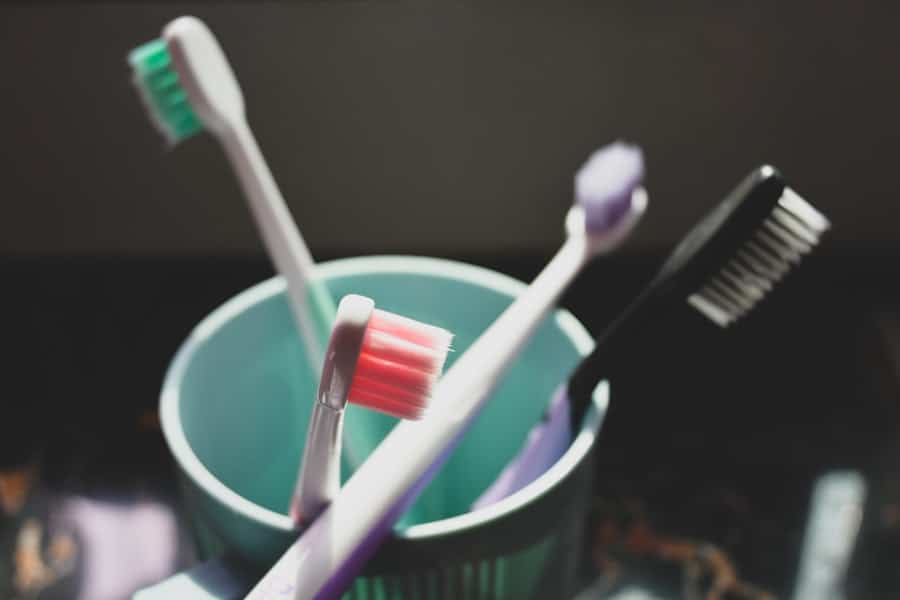
Your diet plays a significant role in the health of your teeth. Making conscious dietary changes can help you prevent tooth decay and maintain a bright smile. One of the most effective strategies is to reduce your intake of sugary foods and beverages.
Sugars are a primary food source for the bacteria in your mouth, leading to acid production and enamel erosion. Instead of reaching for candy or soda, consider opting for healthier snacks like fruits, vegetables, nuts, and whole grains that are less likely to contribute to decay. Incorporating foods rich in calcium and phosphorus into your diet can also be beneficial for your dental health.
Dairy products like milk, cheese, and yogurt are excellent sources of calcium, which helps strengthen your teeth and bones. Additionally, crunchy fruits and vegetables such as apples and carrots can stimulate saliva production, which naturally helps wash away food particles and neutralize acids in your mouth. By making these dietary adjustments, you can create an environment that supports strong teeth and reduces the risk of decay.
Importance of Regular Dental Check-ups
Regular dental check-ups are a cornerstone of effective oral health care. Visiting your dentist at least twice a year allows for early detection of potential issues before they escalate into more serious problems. During these appointments, your dentist will conduct thorough examinations of your teeth and gums, looking for signs of decay or other concerns.
They may also perform professional cleanings to remove plaque and tartar buildup that regular brushing may miss. In addition to preventive care, dental check-ups provide an opportunity for you to discuss any concerns or questions you may have about your oral health. Your dentist can offer personalized advice on maintaining good hygiene practices and recommend treatments tailored to your specific needs.
By prioritizing regular visits to the dentist, you not only safeguard your teeth against decay but also invest in your overall health and well-being.
Proper Brushing and Flossing Techniques
Effective brushing and flossing techniques are vital components of a successful oral hygiene routine. When brushing your teeth, it’s important to use a soft-bristled toothbrush and fluoride toothpaste. Position the toothbrush at a 45-degree angle to your gums and use gentle circular motions to clean the surfaces of your teeth.
Be sure to brush for at least two minutes, covering all areas including the front, back, and chewing surfaces of each tooth. Flossing is equally important as it helps remove food particles and plaque from between your teeth where a toothbrush cannot reach. To floss properly, take about 18 inches of dental floss and wrap it around your middle fingers, leaving a few inches between them.
Gently slide the floss between your teeth using a sawing motion, curving it around each tooth in a C-shape to ensure thorough cleaning. By mastering these techniques, you can significantly reduce your risk of tooth decay and maintain optimal oral health.
Using Fluoride Products
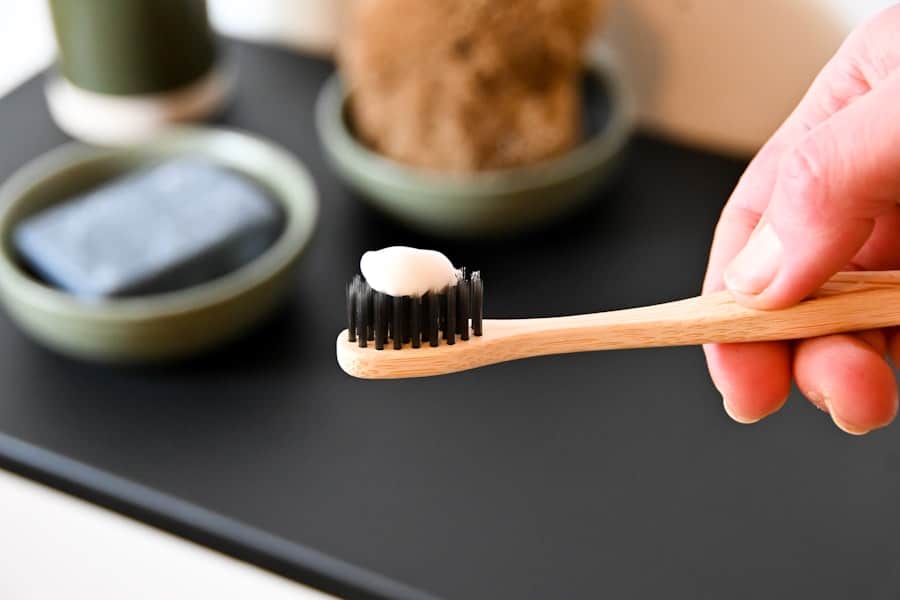
Fluoride is a naturally occurring mineral that plays a crucial role in preventing tooth decay. It works by strengthening tooth enamel and making it more resistant to acid attacks from bacteria in the mouth. Many dental products, including toothpaste and mouth rinses, contain fluoride to help protect your teeth from decay.
Incorporating fluoride into your daily oral care routine can be an effective strategy for maintaining strong teeth. In addition to using fluoride toothpaste, consider discussing fluoride treatments with your dentist during regular check-ups. Professional fluoride treatments can provide an extra boost of protection for individuals at higher risk for tooth decay.
These treatments typically involve applying a concentrated fluoride gel or varnish directly to your teeth, allowing for maximum absorption. By utilizing fluoride products effectively, you can enhance your dental defenses against decay.
Avoiding Harmful Habits
Certain habits can significantly increase your risk of developing tooth decay and should be avoided to maintain optimal oral health. One common habit is frequent snacking on sugary or acidic foods throughout the day. Each time you consume these items, you expose your teeth to harmful acids that can erode enamel over time.
Instead of grazing on snacks high in sugar, try to limit snacking to specific times and choose healthier options when you do indulge. Another harmful habit is using tobacco products, which not only stain your teeth but also contribute to gum disease and increase the risk of oral cancer. If you smoke or use smokeless tobacco, consider seeking support to quit these habits for the sake of both your dental health and overall well-being.
By being mindful of these harmful behaviors and making conscious choices to avoid them, you can significantly reduce your risk of tooth decay.
Incorporating Natural Remedies for Tooth Decay
In addition to conventional dental care practices, many people are turning to natural remedies as complementary approaches to preventing tooth decay. Some natural ingredients have been shown to possess antibacterial properties that can help combat the bacteria responsible for cavities. For instance, oil pulling with coconut oil has gained popularity as a method for reducing plaque buildup and promoting oral health.
Swishing coconut oil in your mouth for 10-20 minutes may help remove harmful bacteria while also freshening breath. Another natural remedy worth considering is the use of xylitol, a sugar alcohol found in various fruits and vegetables that has been shown to inhibit the growth of cavity-causing bacteria. You can find xylitol in sugar-free gum or mints as well as in some toothpaste brands.
Incorporating xylitol into your routine may provide an additional layer of protection against tooth decay while satisfying your sweet tooth without the harmful effects of sugar. By understanding tooth decay and implementing effective prevention strategies such as maintaining good oral hygiene, making dietary changes, attending regular dental check-ups, mastering proper brushing and flossing techniques, using fluoride products wisely, avoiding harmful habits, and exploring natural remedies, you can take charge of your dental health. Your smile is an important asset; by prioritizing its care today, you can enjoy a lifetime of healthy teeth and gums.
If you are looking for a dentist in Salinas, California to help you with your tooth decay self-care plan, you may want to check out this article on Dentist in Near Me. It provides information on finding a dentist in the area who can assist you in maintaining good oral health. Additionally, if you are in Hawthorne, California, you can also find a dentist to help you with your dental needs by visiting this link. And for emergency dental care, including dental trauma, be sure to read this article for important information on what to do in case of a dental emergency.
FAQs
What is tooth decay?
Tooth decay, also known as dental caries or cavities, is the destruction of the hard tissues of the tooth caused by acids produced by bacteria in the mouth.
What are the causes of tooth decay?
Tooth decay is primarily caused by poor oral hygiene, consumption of sugary and acidic foods and drinks, and a buildup of plaque on the teeth.
What are the symptoms of tooth decay?
Symptoms of tooth decay may include toothache, tooth sensitivity, visible holes or pits in the teeth, and dark spots on the teeth.
How can I prevent tooth decay?
To prevent tooth decay, it is important to practice good oral hygiene, limit sugary and acidic foods and drinks, and visit the dentist regularly for check-ups and cleanings.
What is a tooth decay self-care plan?
A tooth decay self-care plan involves taking steps at home to prevent and manage tooth decay, such as brushing and flossing regularly, using fluoride toothpaste, and making dietary changes.
How often should I brush and floss to prevent tooth decay?
It is recommended to brush your teeth at least twice a day and floss once a day to remove plaque and food particles that can lead to tooth decay.
What dietary changes can help prevent tooth decay?
Limiting the consumption of sugary and acidic foods and drinks, and increasing the intake of foods high in calcium and phosphorus can help prevent tooth decay.
Is fluoride toothpaste effective in preventing tooth decay?
Yes, fluoride toothpaste is effective in preventing tooth decay as it helps to strengthen the enamel and make the teeth more resistant to acid attacks from bacteria.


