
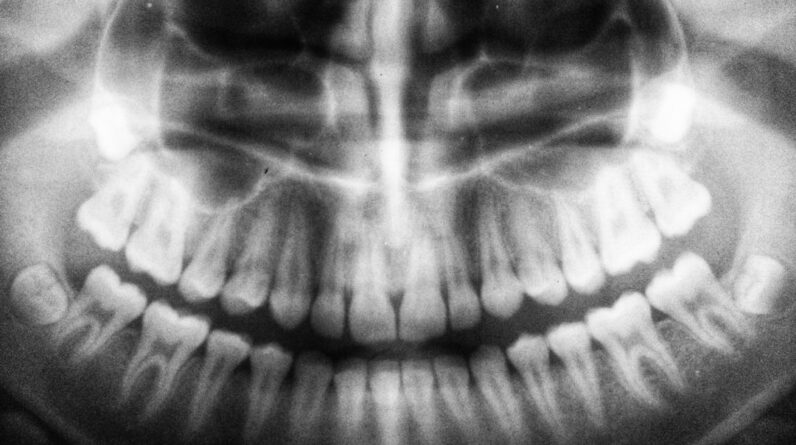
Tooth decay, also known as dental caries, is a common yet often overlooked health issue that affects individuals of all ages. It occurs when the hard surface of your teeth, known as enamel, is damaged by acids produced by bacteria in your mouth. These acids are a byproduct of the breakdown of sugars and carbohydrates from the food you consume.
As you go about your daily life, it’s easy to forget that the choices you make regarding your diet and oral hygiene can significantly impact your dental health. Understanding tooth decay is crucial for maintaining a healthy smile and preventing more serious dental issues down the line. The prevalence of tooth decay is alarming; it is one of the most common chronic diseases worldwide.
Despite advancements in dental care and education, many people still experience cavities and other related problems. This article aims to provide you with a comprehensive understanding of tooth decay, including its causes, symptoms, prevention strategies, and treatment options. By equipping yourself with this knowledge, you can take proactive steps to protect your teeth and ensure a lifetime of good oral health.
Key Takeaways
- Tooth decay is a common dental problem caused by bacteria in the mouth that produce acids that damage the teeth.
- Poor oral hygiene, sugary and acidic foods, and lack of fluoride are common causes of tooth decay.
- Signs of tooth decay include toothache, sensitivity to hot or cold, visible holes or pits in the teeth, and bad breath.
- Prevention of tooth decay involves regular brushing and flossing, a balanced diet, and regular dental check-ups.
- Regular dental check-ups are important for early detection and treatment of tooth decay, as well as for professional cleaning and fluoride treatments.
Causes of Tooth Decay
Tooth decay is primarily caused by the interaction between bacteria, sugars, and your teeth. When you consume foods high in sugar or carbohydrates, the bacteria in your mouth feed on these substances and produce acids as a result. These acids can erode the enamel, leading to cavities if not addressed promptly.
It’s essential to recognize that this process can occur even with seemingly harmless snacks or beverages, making it vital to be mindful of your dietary choices. Another significant factor contributing to tooth decay is poor oral hygiene. If you neglect to brush and floss regularly, plaque—a sticky film of bacteria—can build up on your teeth.
Over time, this plaque hardens into tartar, which can only be removed by a dental professional. The longer plaque and tartar remain on your teeth, the more likely they are to cause decay. Additionally, certain medical conditions and medications can reduce saliva production, which plays a crucial role in neutralizing acids and washing away food particles.
This can further increase your risk of developing cavities.
Signs and Symptoms of Tooth Decay

Recognizing the signs and symptoms of tooth decay early on can make a significant difference in your dental health. One of the first indicators you may notice is a persistent toothache or sensitivity to hot, cold, or sweet foods. This discomfort can range from mild to severe and may worsen over time if left untreated.
You might also observe visible changes in your teeth, such as discoloration or dark spots, which can signal the presence of decay. As tooth decay progresses, you may experience more severe symptoms, including pain when biting down or chewing. In some cases, you might notice bad breath or an unpleasant taste in your mouth due to the bacteria involved in the decay process.
If you experience any of these symptoms, it’s crucial to consult with a dental professional as soon as possible. Early intervention can help prevent further damage and preserve your natural teeth.
Prevention of Tooth Decay
Preventing tooth decay is largely within your control and involves adopting good oral hygiene practices and making informed dietary choices. Brushing your teeth at least twice a day with fluoride toothpaste is essential for removing plaque and preventing cavities. Flossing daily is equally important, as it helps eliminate food particles and plaque from between your teeth where your toothbrush may not reach.
In addition to maintaining a consistent oral hygiene routine, consider limiting your intake of sugary foods and beverages. When you do indulge in treats, try to do so during mealtimes rather than as snacks throughout the day. This approach minimizes the amount of time that acids are produced in your mouth.
Drinking plenty of water can also help wash away food particles and neutralize acids, further protecting your teeth from decay.
Importance of Regular Dental Check-ups
Regular dental check-ups are a cornerstone of effective oral health care and play a vital role in preventing tooth decay. During these visits, your dentist will conduct thorough examinations to identify any early signs of decay or other dental issues that may require attention. Professional cleanings help remove plaque and tartar buildup that regular brushing and flossing may miss.
Moreover, dental check-ups provide an opportunity for you to discuss any concerns or questions you may have about your oral health with a qualified professional. Your dentist can offer personalized advice on maintaining good dental hygiene and recommend treatments or products tailored to your specific needs. By prioritizing regular visits to the dentist, you are taking proactive steps toward safeguarding your smile for years to come.
Treatment Options for Tooth Decay

If you find yourself facing tooth decay despite your best efforts at prevention, various treatment options are available depending on the severity of the issue. For early-stage cavities, fluoride treatments can help remineralize the enamel and reverse minor damage. Your dentist may apply fluoride varnish or recommend fluoride supplements to strengthen your teeth.
In cases where cavities have progressed further, restorative treatments such as fillings may be necessary. During this procedure, your dentist will remove the decayed portion of the tooth and fill it with a material such as composite resin or amalgam. For more extensive decay that affects the tooth’s structure, crowns may be required to restore its shape and function.
In severe cases where the decay has reached the pulp of the tooth, root canal therapy may be necessary to remove infected tissue and save the tooth from extraction.
The Role of Diet in Preventing Tooth Decay
Your diet plays a crucial role in maintaining optimal dental health and preventing tooth decay. Foods high in sugar and carbohydrates can contribute significantly to acid production in your mouth, leading to enamel erosion over time. To protect your teeth, focus on incorporating nutrient-rich foods into your diet that promote oral health.
Fresh fruits and vegetables are excellent choices as they not only provide essential vitamins but also stimulate saliva production, which helps neutralize acids. Dairy products such as cheese and yogurt are also beneficial for your teeth due to their calcium content, which strengthens enamel. Additionally, whole grains and lean proteins can contribute to overall health while minimizing sugar intake.
When choosing snacks or beverages, opt for water or unsweetened options whenever possible. By being mindful of what you consume, you can significantly reduce your risk of developing tooth decay while promoting a healthier lifestyle overall.
Conclusion and Recap of Tooth Decay Worksheet
In conclusion, understanding tooth decay is essential for maintaining good oral health throughout your life. By recognizing its causes—such as poor oral hygiene and high sugar intake—you can take proactive steps to prevent it from occurring in the first place. Being aware of the signs and symptoms allows for early intervention when issues arise, while regular dental check-ups ensure that any potential problems are addressed promptly.
Prevention strategies such as proper brushing techniques, dietary choices, and routine visits to the dentist are key components in safeguarding your smile against decay. Should you find yourself facing tooth decay despite these efforts, various treatment options are available to restore your dental health effectively. Ultimately, by prioritizing oral hygiene and making informed choices about your diet and dental care routine, you can enjoy a lifetime of healthy teeth and gums free from the burden of tooth decay.
If you are looking for more information on preventing tooth decay, you may want to check out this article on dentistinnear.me. This article discusses the importance of regular dental check-ups and proper oral hygiene practices in maintaining healthy teeth and preventing decay. It also provides tips on how to choose the right dentist in Great Falls, Montana. By following the advice in this article, you can help protect your teeth from decay and maintain a beautiful smile.
FAQs
What is tooth decay?
Tooth decay, also known as dental caries or cavities, is the destruction of the hard tissues of the tooth caused by acids produced by bacteria in the mouth.
What causes tooth decay?
Tooth decay is primarily caused by the combination of bacteria in the mouth, sugary and starchy foods, and poor oral hygiene. When these factors come together, they can lead to the formation of acids that attack the tooth enamel.
What are the symptoms of tooth decay?
Symptoms of tooth decay can include toothache, tooth sensitivity, visible holes or pits in the teeth, and staining on the surface of the teeth.
How can tooth decay be prevented?
Tooth decay can be prevented by practicing good oral hygiene, including regular brushing and flossing, limiting sugary and starchy foods, and visiting the dentist for regular check-ups and cleanings.
How is tooth decay treated?
Treatment for tooth decay can vary depending on the severity of the decay. Options may include fillings, crowns, root canals, or in severe cases, tooth extraction. It is important to seek treatment from a dentist to prevent further damage to the tooth.


