

Tooth decay, also known as dental caries, is a common yet serious condition that affects individuals of all ages. It occurs when the enamel, the hard outer layer of your teeth, is damaged by acids produced by bacteria that feed on sugars in your mouth. This process begins with the formation of plaque, a sticky film that forms on your teeth.
If not removed through regular brushing and flossing, plaque can harden into tartar, leading to further complications. You may not notice the early signs of tooth decay, as it often develops slowly and painlessly. However, as the decay progresses, it can lead to more severe issues, including cavities and infections.
Understanding the factors that contribute to tooth decay is crucial for prevention. Poor oral hygiene, a diet high in sugar and carbohydrates, and insufficient fluoride exposure can all increase your risk. Additionally, certain medical conditions and medications can affect saliva production, which plays a vital role in neutralizing acids in your mouth.
By recognizing these risk factors, you can take proactive steps to maintain your dental health and reduce the likelihood of developing cavities.
Key Takeaways
- Tooth decay is caused by bacteria in the mouth that produce acids, which can damage the enamel and lead to cavities.
- X-rays are important in detecting tooth decay because they can reveal decay in areas that are not visible during a regular dental exam.
- Tooth decay appears on X-rays as dark spots or shadows, indicating areas of demineralization and potential cavities.
- Different stages of tooth decay on X-rays include early demineralization, enamel decay, dentin decay, and advanced decay reaching the pulp.
- Untreated tooth decay can lead to complications such as toothache, infection, abscess, and even tooth loss.
- Treatment options for tooth decay detected on X-rays include fillings, crowns, root canals, and in severe cases, tooth extraction.
- Preventing tooth decay involves good oral hygiene, regular dental check-ups, and the role of regular dental X-rays in early detection and prevention.
- Addressing tooth decay detected on X-rays is important to prevent further complications and maintain good oral health. Regular dental X-rays play a crucial role in early detection and prevention of tooth decay.
Importance of X-Rays in Detecting Tooth Decay
Dental X-rays are an essential tool in modern dentistry, providing invaluable insights into your oral health that are not visible during a routine examination. These images allow your dentist to see the condition of your teeth beneath the surface, helping to identify issues such as tooth decay, bone loss, and other dental problems early on. Regular X-rays can be particularly beneficial for detecting decay that occurs between teeth or beneath existing fillings, where visual inspection alone may not suffice.
The importance of X-rays extends beyond mere detection; they also play a critical role in treatment planning. When your dentist identifies areas of concern through X-rays, they can develop a tailored approach to address your specific needs. This proactive approach not only helps in treating existing decay but also aids in preventing future issues by allowing for timely interventions.
By understanding the significance of X-rays in your dental care routine, you can appreciate their role in maintaining your overall oral health.
How Tooth Decay Appears on X-Rays

When you undergo a dental X-ray, the images produced reveal various shades of gray that correspond to different densities of tissues in your mouth. Healthy tooth enamel appears white on an X-ray due to its density, while areas affected by decay will show up as darker spots or shadows. This contrast allows your dentist to pinpoint the exact location and extent of the decay.
The appearance of these dark areas is indicative of demineralization, where minerals are lost from the enamel due to acid exposure. In some cases, tooth decay may not be immediately apparent on an X-ray, especially in its early stages. However, as the decay progresses and penetrates deeper into the tooth structure, it becomes more visible.
Your dentist will carefully analyze these images to determine whether further diagnostic tests or treatments are necessary. Understanding how tooth decay manifests on X-rays can empower you to take an active role in your dental health by seeking timely evaluations and treatments.
Different Stages of Tooth Decay on X-Rays
Tooth decay progresses through several stages, each identifiable on X-rays. Initially, you may see incipient caries, which appear as small dark spots on the enamel. At this stage, the decay is still limited to the outer layer of the tooth and may be reversible with proper oral hygiene and fluoride treatment.
If left untreated, however, the decay can advance to moderate caries, where it penetrates deeper into the enamel and begins to affect the dentin beneath. As decay continues to progress, it can reach advanced stages characterized by significant loss of tooth structure. On X-rays, this may appear as larger dark areas that indicate extensive damage.
At this point, you may experience symptoms such as sensitivity or pain when consuming hot or cold foods. Recognizing these stages through X-ray analysis allows for timely intervention before the decay leads to more severe complications like abscesses or tooth loss.
Complications of Untreated Tooth Decay
Failing to address tooth decay can lead to a host of complications that extend beyond mere discomfort. One of the most significant risks is the development of cavities, which can cause pain and sensitivity when left untreated. As the decay progresses deeper into the tooth structure, it can reach the pulp chamber, leading to pulpitis—a painful inflammation of the tooth’s nerve tissue.
This condition often necessitates more invasive treatments such as root canals or even tooth extraction. Moreover, untreated tooth decay can result in systemic health issues. Bacteria from decayed teeth can enter your bloodstream and contribute to serious conditions such as heart disease or diabetes.
Additionally, chronic dental infections can lead to abscesses that require surgical intervention. By understanding these potential complications, you can appreciate the importance of addressing tooth decay promptly and maintaining regular dental check-ups.
Treatment Options for Tooth Decay Detected on X-Rays
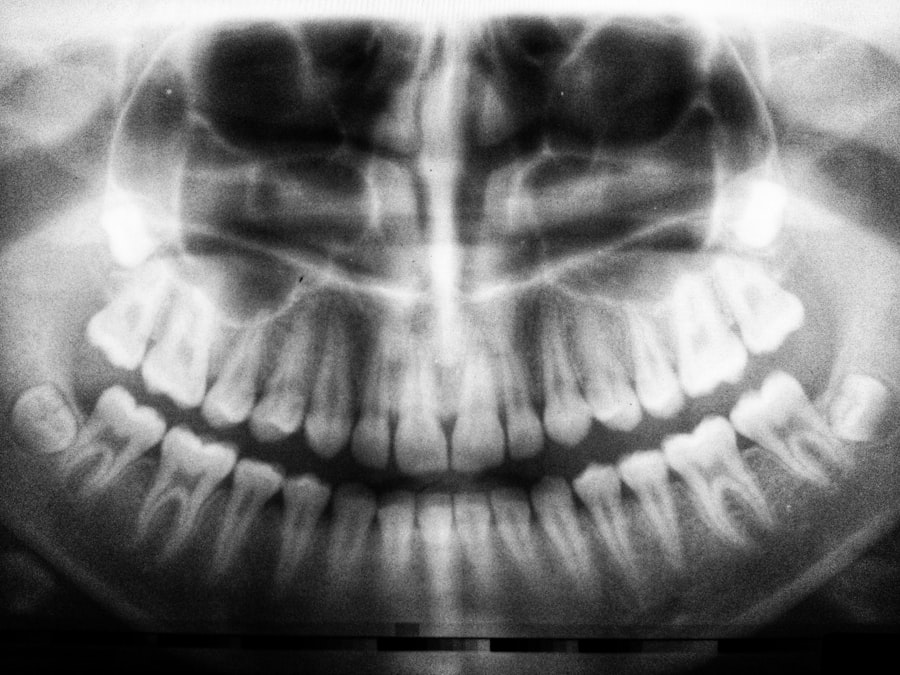
When tooth decay is detected on X-rays, several treatment options are available depending on the severity of the condition. For early-stage decay, your dentist may recommend fluoride treatments or dental sealants to help remineralize the enamel and prevent further deterioration. These preventive measures can be highly effective in reversing incipient caries before they progress.
If cavities have formed, restorative treatments such as fillings are typically employed. Your dentist will remove the decayed portion of the tooth and fill it with materials like composite resin or amalgam to restore its function and appearance. In more advanced cases where significant damage has occurred, crowns or root canals may be necessary to save the tooth and alleviate pain.
Understanding these treatment options empowers you to make informed decisions about your dental care and prioritize your oral health.
Preventing Tooth Decay and the Role of Regular Dental X-Rays
Preventing tooth decay requires a multifaceted approach that includes good oral hygiene practices, a balanced diet low in sugars, and regular dental visits. Brushing twice a day with fluoride toothpaste and flossing daily are essential habits that help remove plaque and food particles from your teeth. Additionally, incorporating fluoride treatments and dental sealants can provide extra protection against cavities.
Regular dental X-rays play a crucial role in this preventive strategy by allowing for early detection of potential issues before they escalate into more significant problems. By scheduling routine check-ups that include X-rays as needed, you enable your dentist to monitor your oral health closely and intervene promptly when necessary. This proactive approach not only helps maintain your smile but also contributes to your overall well-being.
The Importance of Addressing Tooth Decay Detected on X-Rays
In conclusion, addressing tooth decay detected on X-rays is vital for maintaining optimal oral health. Understanding how tooth decay develops and recognizing its appearance on X-rays empowers you to take charge of your dental care. By prioritizing regular dental visits and being proactive about treatment options when decay is identified, you can prevent complications that may arise from untreated cavities.
Moreover, embracing preventive measures such as good oral hygiene practices and dietary choices will significantly reduce your risk of developing tooth decay in the first place. Remember that early detection through dental X-rays is key; it allows for timely interventions that can save your teeth and enhance your quality of life. By taking these steps seriously, you ensure a healthier future for your smile and overall health.
If you are concerned about tooth decay and want to ensure you are receiving the best dental care, consider visiting a dentist in Rocky Mount, North Carolina. They can provide you with the necessary X-rays to detect any signs of decay early on. Additionally, you may want to read an article on the importance of regular dental check-ups at this link to learn more about how preventative care can help maintain your oral health.
FAQs
What is tooth decay?
Tooth decay, also known as dental caries or cavities, is the destruction of the hard tissues of the tooth caused by acids produced by bacteria in the mouth.
How does tooth decay appear on an X-ray?
Tooth decay appears on an X-ray as a dark area within the tooth, indicating the presence of a cavity or demineralization of the tooth structure.
Can tooth decay be detected on an X-ray?
Yes, tooth decay can be detected on an X-ray. It allows dentists to identify cavities between the teeth, under existing fillings, and in other hard-to-see areas.
What are the consequences of untreated tooth decay?
Untreated tooth decay can lead to pain, infection, and even tooth loss. It can also affect overall health if the infection spreads to other parts of the body.
How can tooth decay be prevented?
Tooth decay can be prevented by practicing good oral hygiene, including regular brushing and flossing, limiting sugary and acidic foods and drinks, and visiting the dentist for regular check-ups and cleanings.


