

Tooth decay, also known as dental caries, is a common yet preventable condition that affects children worldwide. It occurs when the hard surface of the teeth is damaged due to the action of bacteria that produce acids from sugars found in food. As a parent or caregiver, it’s essential to understand that tooth decay can begin as early as infancy, making it crucial to establish good oral hygiene practices from a young age.
The process of decay starts with the formation of plaque, a sticky film of bacteria that forms on teeth. If not removed through regular brushing and flossing, plaque can harden into tartar, leading to more severe dental issues. The impact of tooth decay extends beyond just physical health; it can also affect a child’s emotional and social well-being.
Children with untreated cavities may experience pain, difficulty eating, and even embarrassment about their appearance. This can lead to a reluctance to engage in social activities or participate in school, ultimately affecting their overall development. Understanding the implications of tooth decay is the first step in ensuring your child maintains a healthy smile and a positive self-image.
Key Takeaways
- Tooth decay in children is caused by bacteria in the mouth that produce acids which can damage the teeth.
- Poor oral hygiene, sugary foods and drinks, and lack of fluoride are common causes of tooth decay in children.
- Signs of tooth decay in children include toothache, sensitivity to hot or cold, and visible holes or pits in the teeth.
- Preventing tooth decay in children involves regular brushing and flossing, a balanced diet, and regular dental check-ups.
- Treatment for tooth decay in children may include fillings, crowns, or in severe cases, extraction of the affected tooth.
Causes of Tooth Decay in Children
Sugary Foods and Beverages: A Primary Cause
One of the primary causes of tooth decay in children is the consumption of sugary foods and beverages. When children consume snacks high in sugar, such as candies, sodas, and even fruit juices, the bacteria in their mouths feed on these sugars and produce acids that attack tooth enamel. This cycle can lead to cavities if proper oral hygiene is not maintained.
Poor Oral Hygiene Practices
Another significant factor is poor oral hygiene practices. Many children may not brush their teeth effectively or regularly, which allows plaque to build up and lead to decay. Additionally, some children may have difficulty reaching certain areas of their mouths while brushing, making it essential for parents to supervise and assist with their dental care.
Medical Conditions and Medications
Furthermore, certain medical conditions or medications can reduce saliva production, which plays a vital role in neutralizing acids and washing away food particles. Understanding these causes can empower you to make informed choices about your child’s diet and dental care routine. By being aware of these factors, you can take the necessary steps to prevent tooth decay and promote good oral health in your child.
Signs and Symptoms of Tooth Decay in Children
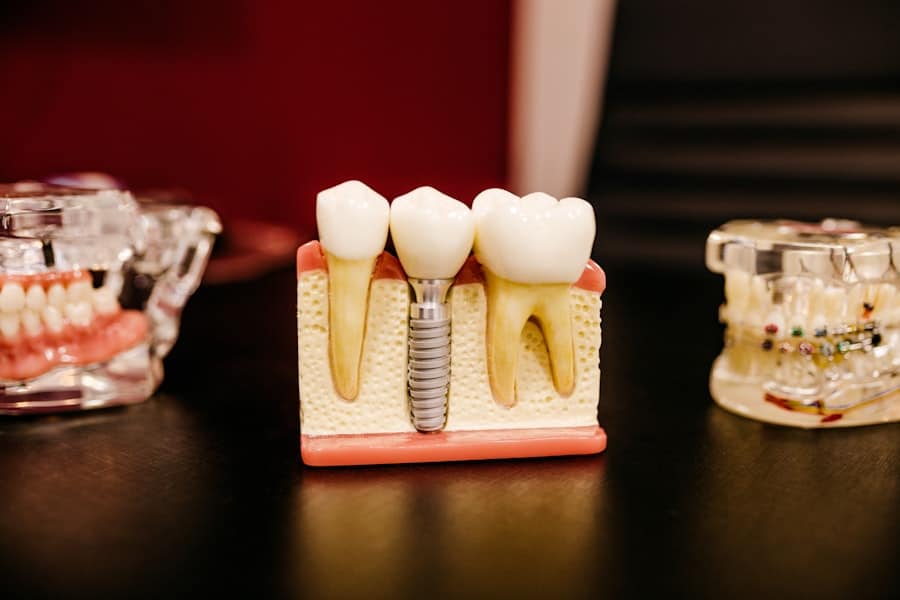
Recognizing the signs and symptoms of tooth decay early on is crucial for effective intervention. One of the first indicators may be visible white spots on the teeth, which signify demineralization of the enamel. As decay progresses, these spots can turn brown or black, indicating more severe damage.
You might also notice your child complaining about tooth sensitivity or pain when consuming hot, cold, or sweet foods. This discomfort can be a clear signal that dental issues are developing. In some cases, you may observe changes in your child’s behavior, such as increased irritability or reluctance to eat certain foods.
If your child begins to avoid chewing on one side of their mouth or expresses discomfort while brushing their teeth, these could be signs that they are experiencing dental pain. Being vigilant about these symptoms can help you seek timely dental care and prevent further complications.
Prevention of Tooth Decay in Children
Preventing tooth decay in children involves a combination of good dietary choices and effective oral hygiene practices. Encouraging your child to consume a balanced diet rich in fruits, vegetables, whole grains, and dairy products can significantly reduce their risk of developing cavities. Limiting sugary snacks and beverages is equally important; consider offering healthier alternatives like water or milk instead of soda or juice.
Teaching your child about the importance of moderation when it comes to treats can instill lifelong healthy habits. In addition to dietary changes, establishing a consistent oral hygiene routine is vital. You should encourage your child to brush their teeth at least twice a day with fluoride toothpaste and floss daily to remove food particles from between their teeth.
Regular dental check-ups are also essential for monitoring your child’s oral health and catching any potential issues early on. By taking these proactive steps, you can help ensure that your child maintains a healthy smile for years to come.
Treatment for Tooth Decay in Children
If tooth decay is detected, prompt treatment is necessary to prevent further damage and restore your child’s oral health. The type of treatment will depend on the severity of the decay. For early-stage cavities, your dentist may recommend fluoride treatments to help remineralize the enamel and reverse the damage.
This non-invasive approach can be highly effective if caught early enough. In cases where cavities have progressed further, restorative treatments such as fillings may be required. During this procedure, the dentist will remove the decayed portion of the tooth and fill it with a material designed to restore its function and appearance.
In more severe cases where the decay has reached the pulp of the tooth, a root canal may be necessary to save the tooth from extraction. Understanding these treatment options can help you feel more prepared should your child require dental intervention.
Importance of Early Dental Care for Children
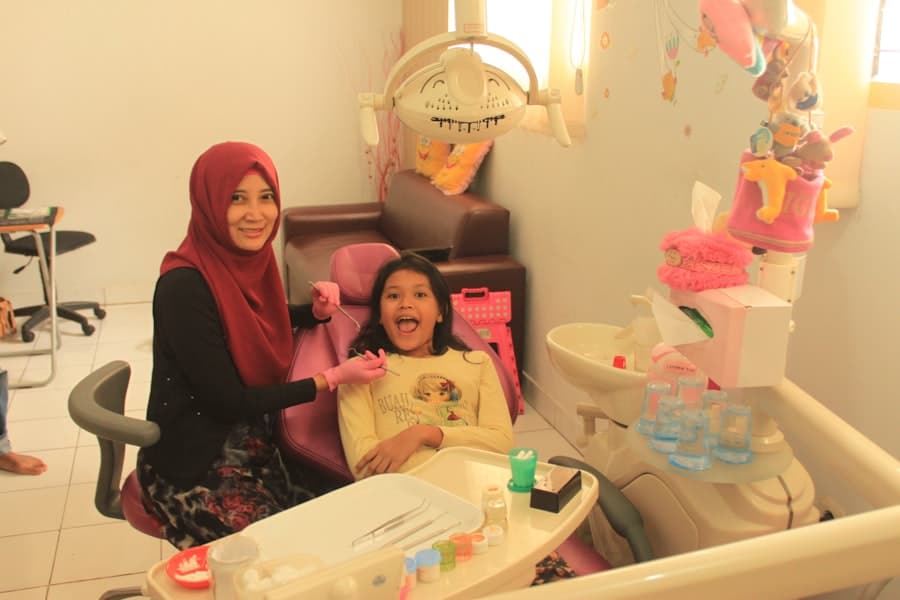
Establishing early dental care is crucial for maintaining your child’s oral health throughout their life. The American Academy of Pediatric Dentistry recommends that children have their first dental visit by their first birthday or within six months after their first tooth erupts. Early visits allow dentists to monitor your child’s dental development and provide guidance on proper oral hygiene practices tailored to their needs.
Moreover, early dental care helps build a positive relationship between your child and dental professionals. Familiarizing them with the dental office environment can reduce anxiety associated with future visits and encourage them to prioritize their oral health as they grow older. By investing in early dental care, you are setting the foundation for a lifetime of healthy habits and reducing the likelihood of serious dental issues down the road.
Long-term Effects of Untreated Tooth Decay in Children
The long-term effects of untreated tooth decay can be significant and far-reaching. Beyond immediate pain and discomfort, children with untreated cavities may experience difficulties with eating and speaking, which can impact their nutrition and social interactions. Chronic dental issues can lead to missed school days due to pain or dental appointments, affecting academic performance and overall development.
Additionally, untreated tooth decay can result in more severe health complications later in life. The bacteria associated with dental caries can enter the bloodstream and potentially lead to systemic health issues such as heart disease or diabetes. By addressing tooth decay promptly and effectively, you not only protect your child’s current health but also safeguard their future well-being.
Promoting Good Oral Hygiene in Children
Promoting good oral hygiene habits in children requires patience, consistency, and creativity. Start by making brushing fun; consider using colorful toothbrushes or flavored toothpaste that appeals to your child’s taste preferences. You might also turn brushing into a game by setting timers or playing music during brushing sessions to keep them engaged.
Involving your child in their oral care routine can foster a sense of responsibility and ownership over their dental health. Encourage them to choose healthy snacks during grocery shopping or let them pick out their toothbrushes at the store. By making oral hygiene an enjoyable part of their daily routine, you are instilling lifelong habits that will benefit them for years to come.
In conclusion, understanding tooth decay in children is essential for parents and caregivers who want to promote good oral health practices from an early age. By recognizing the causes, symptoms, and treatment options available, you can take proactive steps to prevent decay and ensure your child maintains a healthy smile throughout their life.
Tooth decay in children is a common issue that can have long-lasting effects on their oral health. It is important for parents to take their children to see a pediatric dentist regularly to prevent and treat tooth decay. For more information on the importance of pediatric dentistry, check out this article on pedodontists and pediatric dentists. These specialized dental professionals are trained to work specifically with children and can provide the necessary care to keep their teeth healthy. Whether you are in Lubbock, Texas or Orlando, Florida, finding a pediatric dentist near you is crucial for maintaining your child’s oral health.
FAQs
What is tooth decay in children?
Tooth decay in children, also known as childhood caries or cavities, is the deterioration of the outer surface of the teeth caused by acids produced by bacteria in the mouth.
What causes tooth decay in children?
Tooth decay in children is primarily caused by poor oral hygiene, frequent consumption of sugary foods and drinks, and lack of fluoride.
What are the symptoms of tooth decay in children?
Symptoms of tooth decay in children may include toothache, sensitivity to hot or cold foods and drinks, visible holes or pits in the teeth, and discoloration of the teeth.
How can tooth decay in children be prevented?
Tooth decay in children can be prevented by practicing good oral hygiene, limiting sugary foods and drinks, getting regular dental check-ups, and using fluoride toothpaste.
What are the treatment options for tooth decay in children?
Treatment options for tooth decay in children may include dental fillings, crowns, and in severe cases, tooth extraction. Fluoride treatments and dental sealants may also be recommended for prevention.


