

Tooth decay, also known as dental caries, is a significant public health concern that affects children worldwide. As a parent or guardian, you may find it alarming to learn that this condition can lead to pain, infection, and even tooth loss if left untreated. The process of tooth decay begins when bacteria in the mouth produce acids that erode the enamel, the protective outer layer of teeth.
This can occur due to poor oral hygiene, excessive sugar consumption, and a lack of regular dental check-ups. Understanding the causes and consequences of tooth decay is crucial for ensuring your child’s dental health and overall well-being. In children, tooth decay can have far-reaching implications beyond just oral health.
It can affect their ability to eat, speak, and concentrate in school. The discomfort associated with dental issues can lead to missed school days and hinder social interactions. As you navigate the challenges of parenting, being informed about tooth decay can empower you to take proactive steps in safeguarding your child’s smile.
This article will delve into the prevalence of tooth decay in children in the UK, explore risk factors, discuss its impact on health, and highlight effective prevention and treatment strategies.
Key Takeaways
- Tooth decay is a common childhood problem caused by bacteria in the mouth that produce acids leading to cavities.
- In the UK, tooth decay is the most common chronic disease in children, affecting nearly one-third of 5-year-olds and almost half of 8-year-olds.
- Risk factors for tooth decay in children include poor oral hygiene, sugary diets, and lack of access to dental care.
- Tooth decay can have serious consequences for children’s health, including pain, infection, and difficulty eating and speaking.
- Prevention and treatment of tooth decay in children involve good oral hygiene, healthy diets, fluoride use, and regular dental check-ups, while government initiatives and improved dental care access are crucial for addressing the issue.
Prevalence of Tooth Decay in Children in the UK
Tooth decay remains a prevalent issue among children in the UK, with statistics revealing a concerning trend. According to recent surveys, approximately one in four children aged five years old has experienced tooth decay. This statistic underscores the importance of addressing this issue early on.
The prevalence of dental caries is not uniform across different regions; children from lower socioeconomic backgrounds are disproportionately affected. This disparity highlights the need for targeted interventions to ensure that all children have access to proper dental care. The impact of tooth decay is not just limited to individual children; it also places a burden on the healthcare system.
The National Health Service (NHS) reports that dental caries is one of the most common reasons for hospital admissions among young children. These admissions often result from severe cases where children require surgical intervention to treat their dental issues. As you consider the implications of these statistics, it becomes clear that addressing tooth decay is not only a matter of individual health but also a public health priority that requires collective action.
Risk Factors for Tooth Decay in Children

Several risk factors contribute to the development of tooth decay in children, and understanding these can help you take preventive measures. One of the most significant factors is diet, particularly the consumption of sugary foods and beverages. When children frequently consume sweets, soft drinks, and other sugary snacks, they expose their teeth to harmful acids produced by bacteria.
As a parent, you can play a vital role in shaping your child’s dietary habits by encouraging healthier snack options and limiting sugary treats. Another critical risk factor is oral hygiene practices. Many children do not brush their teeth effectively or regularly enough, which allows plaque—a sticky film of bacteria—to accumulate on their teeth.
Teaching your child proper brushing techniques and establishing a routine can significantly reduce their risk of developing cavities. Additionally, factors such as genetics and fluoride exposure can influence susceptibility to tooth decay. By being aware of these risk factors, you can take proactive steps to mitigate them and promote better oral health for your child.
Impact of Tooth Decay on Children’s Health
The consequences of tooth decay extend beyond mere discomfort; they can significantly impact your child’s overall health and quality of life. Children suffering from dental caries may experience pain that interferes with their ability to eat nutritious foods, leading to potential nutritional deficiencies. This can affect their growth and development, making it essential to address dental issues promptly.
Moreover, untreated tooth decay can lead to more severe health complications, including infections that may spread beyond the mouth. In some cases, dental infections can result in hospitalization or even life-threatening conditions if not managed appropriately. The psychological effects should not be overlooked either; children with visible dental issues may feel self-conscious about their smiles, which can affect their confidence and social interactions.
As a caring parent or guardian, recognizing these impacts can motivate you to prioritize your child’s dental health and seek timely interventions when necessary.
Prevention and Treatment of Tooth Decay in Children
Preventing tooth decay in children involves a multifaceted approach that includes good oral hygiene practices, dietary modifications, and regular dental visits. Encouraging your child to brush their teeth at least twice a day with fluoride toothpaste is crucial for maintaining oral health. Flossing should also be introduced as soon as two teeth touch each other to remove food particles and plaque from between the teeth.
In addition to proper brushing and flossing techniques, dietary choices play a pivotal role in preventing tooth decay. You can help your child develop healthy eating habits by providing nutritious snacks such as fruits, vegetables, and whole grains while limiting sugary treats and beverages. Regular dental check-ups are equally important; these visits allow for early detection of potential issues and professional cleanings that remove plaque buildup.
If cavities do develop, treatment options may include fillings or sealants to protect vulnerable teeth from further decay.
Government Initiatives to Address Tooth Decay in Children
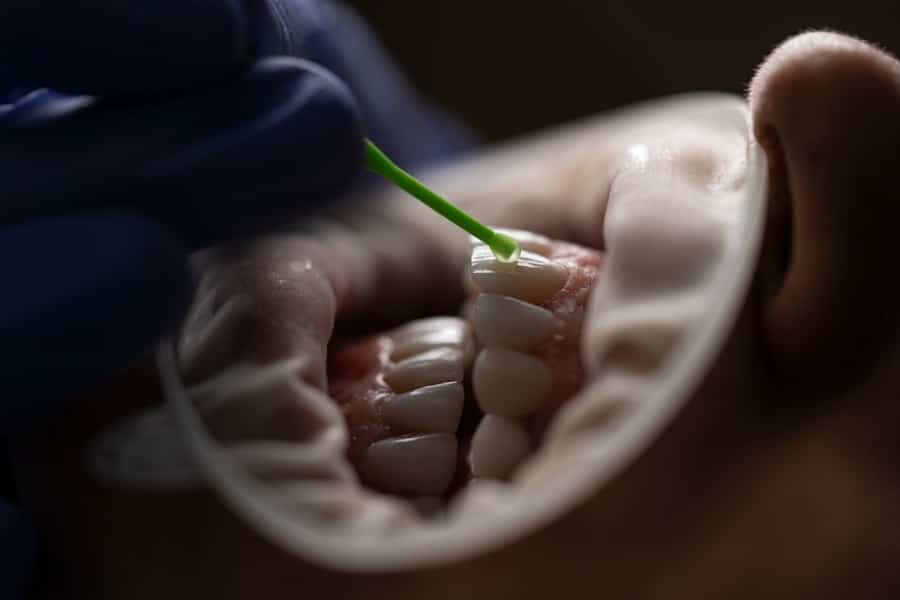
Recognizing the severity of tooth decay among children, the UK government has implemented various initiatives aimed at reducing its prevalence. One notable program is the “Childsmile” initiative in Scotland, which focuses on improving oral health among young children through education and preventive care. This program provides resources for parents and caregivers on proper oral hygiene practices and nutrition while also offering dental check-ups for children.
Additionally, public health campaigns have been launched to raise awareness about the importance of oral health and encourage regular dental visits. These initiatives often target communities with higher rates of dental caries, aiming to provide accessible resources and support for families. As a parent or guardian, staying informed about these government efforts can help you take advantage of available resources and advocate for your child’s dental health.
Dental Care Access and Tooth Decay in Children
Access to dental care is a critical factor influencing the prevalence of tooth decay among children. Unfortunately, many families face barriers that prevent them from obtaining necessary dental services. Geographic location, socioeconomic status, and lack of insurance coverage can all contribute to disparities in access to care.
In some areas, there may be a shortage of dental practitioners willing to treat young patients or accept public health insurance. As you navigate your child’s dental care needs, it’s essential to explore available options within your community. Many local health departments offer programs aimed at providing free or low-cost dental services for children from low-income families.
Additionally, schools often collaborate with dental professionals to provide screenings and preventive care on-site. By being proactive in seeking out these resources, you can help ensure that your child receives the dental care they need to maintain a healthy smile.
Conclusion and Recommendations for Addressing Tooth Decay in Children
In conclusion, addressing tooth decay in children requires a comprehensive approach that involves education, prevention, and access to care. As a parent or guardian, you play a pivotal role in shaping your child’s oral health habits from an early age. By instilling good brushing techniques, promoting healthy eating habits, and scheduling regular dental check-ups, you can significantly reduce your child’s risk of developing cavities.
Moreover, staying informed about government initiatives and community resources can empower you to advocate for your child’s dental health effectively. It is essential to recognize that tooth decay is not just an individual issue but a public health concern that requires collective action from families, healthcare providers, and policymakers alike. By working together to prioritize children’s oral health, we can create a brighter future where every child has the opportunity for a healthy smile free from the burdens of tooth decay.
According to statistics on tooth decay in children in the UK, it is crucial for parents to be prepared for dental emergencies. One helpful resource is an article on creating an emergency dental kit, which can be found here. This kit can be a lifesaver in situations where immediate dental care is needed. Additionally, having access to a reliable dentist nearby is essential. For those in Apple Valley, California, finding a dentist near them is made easier with the Dentist Near Me app, as discussed in this article here. In Largo, Florida, residents can also benefit from having a local dentist they can trust, as highlighted in this article here.
FAQs
What are the statistics of tooth decay in children in the UK?
In the UK, tooth decay is the most common chronic disease in children, with almost one in three 5-year-olds experiencing tooth decay.
What are the main causes of tooth decay in children?
The main causes of tooth decay in children are poor oral hygiene, consumption of sugary foods and drinks, and lack of access to dental care.
How can tooth decay in children be prevented?
Tooth decay in children can be prevented by promoting good oral hygiene practices, reducing sugar intake, and ensuring regular dental check-ups and cleanings.
What are the consequences of untreated tooth decay in children?
Untreated tooth decay in children can lead to pain, infection, difficulty eating and speaking, and can affect their overall health and well-being.
What measures are being taken to address tooth decay in children in the UK?
In the UK, measures to address tooth decay in children include community water fluoridation, school-based oral health programs, and efforts to improve access to dental care for children from low-income families.


