
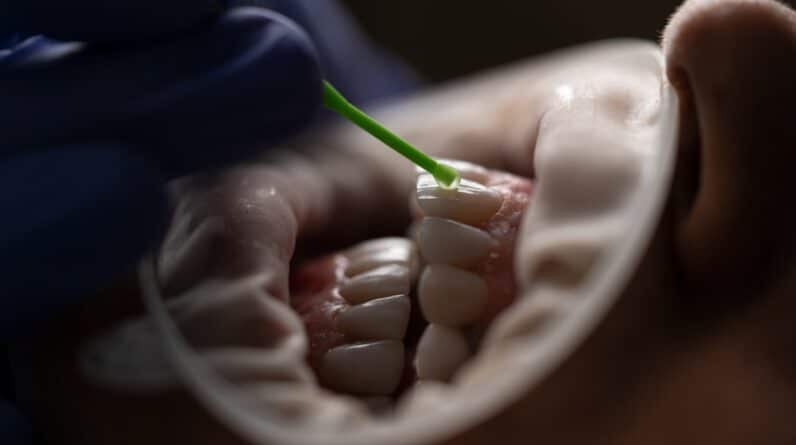
Tooth decay is a common dental issue that can occur even after a root canal treatment. You might think that once a tooth has undergone this procedure, it is immune to further decay, but that is not the case. A root canal is designed to remove infected or damaged pulp from the tooth, effectively saving it from extraction.
However, the tooth remains vulnerable to decay due to various factors, including oral hygiene practices, dietary habits, and the overall health of your teeth and gums. Understanding how tooth decay can develop post-root canal is crucial for maintaining your oral health. After a root canal, the tooth may be more susceptible to decay if it is not properly restored.
The procedure typically involves sealing the tooth with a filling or crown to protect it from bacteria and further damage. If this restoration is compromised or if you neglect your oral hygiene, bacteria can infiltrate the tooth structure, leading to decay. It’s essential to recognize that while a root canal can save a tooth, it does not eliminate the need for ongoing care and attention to your dental health.
Key Takeaways
- Tooth decay after root canal can occur due to a variety of reasons, including poor oral hygiene and the presence of bacteria in the tooth.
- Common signs and symptoms of tooth decay after root canal include tooth sensitivity, pain, and discoloration of the tooth.
- Prevention of tooth decay after root canal involves maintaining good oral hygiene, regular dental check-ups, and avoiding sugary and acidic foods.
- Treatment options for tooth decay after root canal may include dental fillings, crowns, or in severe cases, tooth extraction.
- Untreated tooth decay after root canal can lead to complications such as abscess formation, infection, and even the loss of the tooth.
Causes of Tooth Decay After Root Canal
Several factors can contribute to the development of tooth decay after a root canal. One primary cause is inadequate restoration of the tooth following the procedure. If the filling or crown placed on the tooth is not done correctly or if it wears down over time, it can create openings for bacteria to enter.
This can lead to new cavities forming in the tooth structure, which may go unnoticed until significant damage has occurred. Another significant factor is poor oral hygiene. Even after a root canal, you must maintain a diligent oral care routine that includes regular brushing and flossing.
If you neglect these practices, plaque and tartar can build up on your teeth, leading to decay. Additionally, dietary choices play a crucial role; consuming high-sugar foods and beverages can accelerate the decay process. You should be mindful of what you eat and how it affects your dental health, especially after undergoing a procedure like a root canal.
Signs and Symptoms of Tooth Decay After Root Canal

Recognizing the signs and symptoms of tooth decay after a root canal is vital for timely intervention. You may experience persistent pain or discomfort in the treated tooth, which could indicate that decay has developed beneath the surface. This pain may vary in intensity and can be triggered by temperature changes or pressure from chewing.
If you notice any sensitivity in the area, it’s essential to consult your dentist as soon as possible. In addition to pain, other symptoms may include swelling or tenderness in the gums surrounding the treated tooth. You might also observe discoloration or darkening of the tooth itself, which can be a sign of underlying decay.
Bad breath or an unpleasant taste in your mouth could also indicate an infection or decay. Being aware of these symptoms allows you to seek prompt treatment and prevent further complications.
Prevention of Tooth Decay After Root Canal
Preventing tooth decay after a root canal involves adopting a proactive approach to your oral health. First and foremost, maintaining excellent oral hygiene is crucial. You should brush your teeth at least twice a day with fluoride toothpaste and floss daily to remove plaque buildup between your teeth.
Regular dental check-ups are also essential; your dentist can monitor the condition of your root canal-treated tooth and catch any potential issues early on. In addition to good hygiene practices, consider making dietary adjustments to support your dental health. Limiting sugary snacks and beverages can significantly reduce your risk of developing cavities.
Instead, focus on consuming a balanced diet rich in fruits, vegetables, whole grains, and lean proteins. Staying hydrated with water can also help wash away food particles and bacteria that contribute to decay. By taking these preventive measures, you can help ensure the longevity of your root canal-treated tooth.
Treatment Options for Tooth Decay After Root Canal
If you discover that you have developed tooth decay after a root canal, several treatment options are available to address the issue. The first step typically involves visiting your dentist for an evaluation. They will assess the extent of the decay and recommend an appropriate course of action based on their findings.
In some cases, if the decay is minor and has not compromised the integrity of the tooth significantly, your dentist may simply need to replace the filling or crown. However, if the decay is more extensive and has affected the structure of the tooth, additional treatments may be necessary. This could involve further restorative procedures such as a root canal retreatment or even extraction if the tooth cannot be saved.
Your dentist will discuss these options with you and help you make an informed decision about how to proceed based on your specific situation.
Complications of Untreated Tooth Decay After Root Canal
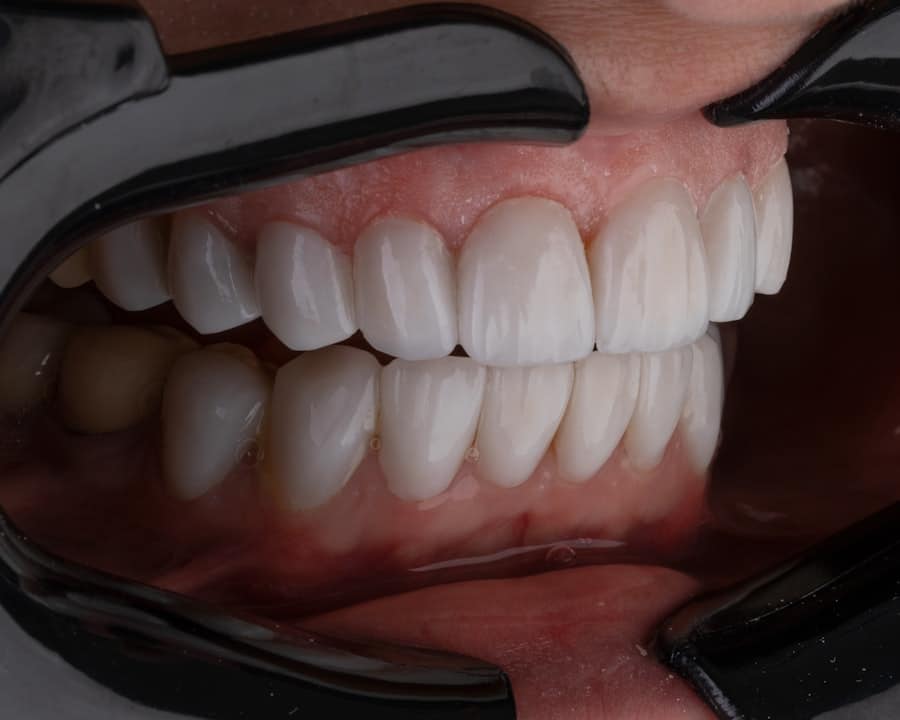
Ignoring tooth decay after a root canal can lead to serious complications that may jeopardize not only your dental health but also your overall well-being. One significant risk is the potential for reinfection of the tooth. If bacteria continue to invade the area due to untreated decay, it can lead to an abscess—a painful collection of pus that forms at the root of the tooth.
This condition often requires immediate medical attention and can result in severe pain and swelling. Additionally, untreated decay can lead to further deterioration of the tooth structure, making it more challenging to restore effectively. In some cases, this may necessitate extraction of the affected tooth altogether, which can have long-term implications for your bite alignment and overall oral function.
You should take any signs of decay seriously and seek treatment promptly to avoid these complications.
Long-term Outlook for Tooth Decay After Root Canal
The long-term outlook for tooth decay after a root canal largely depends on how well you manage your oral health following treatment. If you maintain good hygiene practices and attend regular dental check-ups, you can significantly reduce your risk of developing further decay. Many individuals successfully retain their root canal-treated teeth for years without complications by being proactive about their dental care.
However, if you neglect your oral health or fail to address any signs of decay promptly, you may face more severe consequences down the line. The key takeaway is that while a root canal can save a damaged tooth, it does not eliminate the need for ongoing care and vigilance. By prioritizing your dental health, you can enjoy a positive long-term outlook for your teeth.
Maintaining Oral Health After Root Canal
In conclusion, maintaining oral health after a root canal is essential for preventing tooth decay and ensuring the longevity of your treated tooth. You must understand that while a root canal addresses immediate issues related to infection or damage, it does not provide immunity against future problems. By adopting good oral hygiene practices, making mindful dietary choices, and attending regular dental appointments, you can significantly reduce your risk of developing decay.
Remember that early detection is key; being aware of the signs and symptoms of decay allows you to seek timely treatment and avoid complications. Ultimately, taking responsibility for your oral health will empower you to enjoy a healthy smile for years to come. Your commitment to maintaining good dental habits will pay off in preserving not only your root canal-treated teeth but also your overall oral health.
If you are looking for more information on dental health and procedures, you may want to check out this article on The Importance of Regular Dental Check-ups in Port Orange, Florida. Regular check-ups can help prevent issues like tooth decay after a root canal and ensure your oral health is in top condition. Visit a dentist in Port Orange, Florida, to keep your smile healthy and bright.
FAQs
What is tooth decay after root canal?
Tooth decay after root canal, also known as recurrent decay, is the development of new cavities in a tooth that has previously undergone root canal treatment. This can occur if the tooth is not properly cared for or if there is a breakdown in the restoration placed after the root canal.
What causes tooth decay after root canal?
Tooth decay after root canal can be caused by a variety of factors, including poor oral hygiene, failure to restore the tooth properly after the root canal, and the presence of bacteria in the tooth that was not completely removed during the initial root canal treatment.
What are the symptoms of tooth decay after root canal?
Symptoms of tooth decay after root canal may include tooth sensitivity, pain when biting or chewing, visible holes or pits in the tooth, and discoloration of the tooth.
How is tooth decay after root canal treated?
Treatment for tooth decay after root canal may involve removing the decayed portion of the tooth and replacing the restoration, such as a filling or crown. In some cases, retreatment of the root canal may be necessary if the decay has affected the previous root canal treatment.
Can tooth decay after root canal be prevented?
Tooth decay after root canal can be prevented by maintaining good oral hygiene, attending regular dental check-ups, and following any post-treatment care instructions provided by the dentist. It is also important to avoid habits that can contribute to tooth decay, such as consuming sugary foods and drinks and neglecting oral hygiene practices.


