
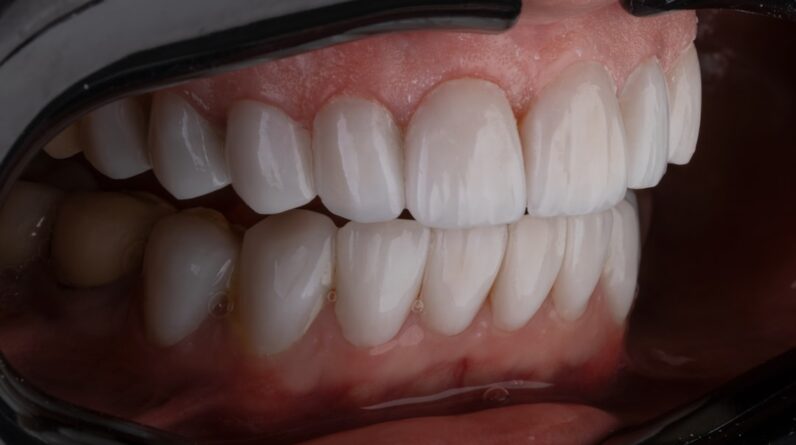
Severe tooth decay, often referred to as dental caries or cavities, is a progressive condition that results in the destruction of tooth structure. It begins with the demineralization of enamel, the hard outer layer of your teeth, and can advance to affect deeper layers, including dentin and pulp. When left untreated, severe tooth decay can lead to significant pain, infection, and even tooth loss.
This condition is not merely a cosmetic issue; it can have profound implications for your oral health and overall well-being. Understanding severe tooth decay requires recognizing that it is a multifaceted problem. It does not occur overnight; rather, it develops over time due to a combination of factors such as poor oral hygiene, dietary choices, and genetic predispositions.
The severity of the decay can vary widely, from minor cavities that require simple fillings to extensive damage that necessitates root canals or extractions. As you navigate your dental health, being aware of what severe tooth decay entails is crucial for maintaining a healthy smile.
Key Takeaways
- Severe tooth decay is the advanced stage of tooth decay that can lead to pain, infection, and tooth loss.
- Causes of severe tooth decay include poor oral hygiene, high sugar and carbohydrate intake, and lack of fluoride.
- Signs and symptoms of severe tooth decay include toothache, sensitivity to hot and cold, visible holes or pits in the teeth, and bad breath.
- Complications of severe tooth decay can include abscesses, gum disease, and even systemic health issues such as heart disease and diabetes.
- Treatment options for severe tooth decay may include fillings, crowns, root canals, or tooth extraction, depending on the severity of the decay.
Causes of Severe Tooth Decay
The causes of severe tooth decay are numerous and often interrelated. One of the primary culprits is the presence of bacteria in your mouth. These bacteria feed on sugars and carbohydrates from the food you consume, producing acids that erode tooth enamel.
If you frequently indulge in sugary snacks or beverages without proper oral hygiene practices, you significantly increase your risk of developing cavities. Additionally, certain lifestyle choices, such as smoking or excessive alcohol consumption, can exacerbate the problem by reducing saliva production, which plays a vital role in neutralizing acids in your mouth. Another significant factor contributing to severe tooth decay is inadequate oral hygiene.
If you neglect regular brushing and flossing, plaque—a sticky film of bacteria—can accumulate on your teeth. Over time, this plaque hardens into tartar, which can only be removed by a dental professional. The longer plaque and tartar remain on your teeth, the more likely they are to cause decay.
Furthermore, certain medical conditions and medications can also impact your oral health. For instance, conditions like diabetes can affect your body’s ability to fight infections, making you more susceptible to severe tooth decay.
Signs and Symptoms of Severe Tooth Decay
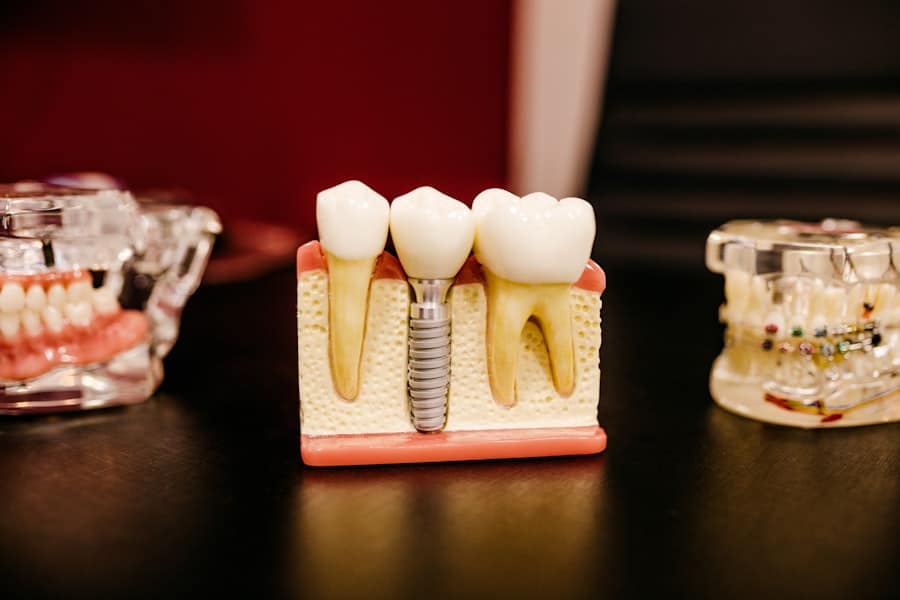
Recognizing the signs and symptoms of severe tooth decay is essential for timely intervention. One of the earliest indicators is tooth sensitivity, which may manifest as discomfort when consuming hot or cold foods and beverages. You might also notice visible changes in your teeth, such as dark spots or holes that indicate the presence of cavities.
As the decay progresses, you may experience persistent pain or discomfort in the affected tooth, which can range from mild to severe. In some cases, severe tooth decay can lead to more alarming symptoms. You may notice swelling in your gums or face, indicating an infection that requires immediate attention.
Bad breath or an unpleasant taste in your mouth can also be signs of advanced decay or infection. If you experience any of these symptoms, it’s crucial to consult a dentist promptly to prevent further complications and preserve your oral health.
Complications of Severe Tooth Decay
The complications arising from severe tooth decay can be extensive and detrimental to both your oral health and overall well-being. One of the most immediate concerns is the potential for infection. When decay reaches the pulp of the tooth, bacteria can enter the bloodstream, leading to serious conditions such as abscesses or systemic infections.
These infections can cause significant pain and may require antibiotics or even surgical intervention. Moreover, severe tooth decay can lead to tooth loss, which not only affects your ability to chew and speak but also impacts your self-esteem and quality of life. Missing teeth can result in shifting of adjacent teeth, leading to misalignment and further dental issues down the line.
Additionally, the financial burden associated with treating advanced dental problems can be substantial, making it imperative to address tooth decay early on.
Treatment Options for Severe Tooth Decay
When it comes to treating severe tooth decay, several options are available depending on the extent of the damage. For minor cavities, your dentist may recommend a simple filling procedure where decayed material is removed and replaced with a durable material such as composite resin or amalgam. This approach restores the tooth’s structure and function while preventing further decay.
In cases where the decay has progressed deeper into the tooth, a root canal may be necessary. This procedure involves removing infected pulp tissue from within the tooth and sealing it to prevent future infection. After a root canal, you may need a crown to restore the tooth’s strength and appearance.
In extreme cases where a tooth is beyond repair, extraction may be the only viable option. Following extraction, options such as dental implants or bridges can help restore your smile and maintain proper alignment.
Prevention of Severe Tooth Decay

Preventing severe tooth decay is largely within your control through diligent oral hygiene practices and lifestyle choices. Brushing your teeth at least twice a day with fluoride toothpaste is essential for removing plaque and strengthening enamel. Flossing daily helps eliminate food particles and plaque from between your teeth where a toothbrush cannot reach.
Regular dental check-ups are also crucial; professional cleanings can remove tartar buildup and allow for early detection of any potential issues. In addition to good oral hygiene practices, being mindful of your diet plays a significant role in preventing tooth decay. Limiting sugary snacks and beverages can reduce the amount of acid produced by bacteria in your mouth.
Instead, opt for healthier alternatives like fruits, vegetables, and whole grains that promote oral health. Drinking plenty of water throughout the day helps wash away food particles and keeps saliva levels high, further protecting your teeth from decay.
How Severe Tooth Decay Affects Overall Health
The implications of severe tooth decay extend beyond just oral health; they can significantly impact your overall well-being. Research has shown that poor oral health is linked to various systemic conditions such as heart disease, diabetes, and respiratory infections. The bacteria associated with severe tooth decay can enter the bloodstream and contribute to inflammation throughout the body, potentially exacerbating existing health issues.
Moreover, chronic pain resulting from severe tooth decay can affect your mental health and quality of life. The discomfort may lead to difficulties in eating or speaking, which can result in social withdrawal or anxiety about dental visits. By prioritizing your dental health and addressing issues like severe tooth decay promptly, you not only protect your smile but also contribute positively to your overall health.
When to See a Dentist for Severe Tooth Decay
Knowing when to see a dentist for severe tooth decay is crucial for effective treatment and prevention of complications. If you experience persistent pain in a specific tooth or notice visible changes such as discoloration or holes, it’s essential to schedule an appointment as soon as possible. Early intervention can often save a tooth from more extensive damage and costly treatments.
Additionally, if you find yourself frequently experiencing sensitivity to hot or cold foods or have persistent bad breath despite good oral hygiene practices, these could be signs that something more serious is occurring beneath the surface. Regular dental check-ups are also vital; even if you feel fine, a dentist can identify early signs of decay that you might not notice on your own. By being proactive about your dental health and seeking professional care when needed, you can maintain a healthy smile for years to come.
If you are experiencing severe tooth decay, it is important to seek professional help from a dentist as soon as possible. In a recent article from Walnut Creek, California, experts discuss the causes and treatment options for severe tooth decay. It is crucial to address this issue promptly to prevent further damage to your teeth and overall oral health. Don’t hesitate to schedule an appointment with a dentist in your area, such as Alexandria, Virginia or Schaumburg, Illinois, to address any concerns you may have about your dental health.
FAQs
What is severe tooth decay?
Severe tooth decay, also known as advanced or extensive decay, occurs when the enamel and dentin of a tooth are significantly damaged, leading to the formation of cavities and potentially causing pain and infection.
What causes severe tooth decay?
Severe tooth decay is primarily caused by poor oral hygiene, a diet high in sugary and acidic foods, and a lack of regular dental check-ups and cleanings. Other factors such as dry mouth, certain medications, and genetic predisposition can also contribute to severe tooth decay.
What are the symptoms of severe tooth decay?
Symptoms of severe tooth decay may include toothache, sensitivity to hot or cold foods and drinks, visible pits or holes in the teeth, bad breath, and in some cases, an abscess or pus around the affected tooth.
How is severe tooth decay treated?
Treatment for severe tooth decay typically involves removing the decayed portion of the tooth and filling the cavity with a dental filling. In more advanced cases, a root canal or tooth extraction may be necessary. Prevention through good oral hygiene, regular dental visits, and a healthy diet is key to avoiding severe tooth decay.
Can severe tooth decay be prevented?
Yes, severe tooth decay can be prevented by practicing good oral hygiene, including brushing and flossing regularly, limiting sugary and acidic foods and drinks, and visiting the dentist for regular check-ups and cleanings. Fluoride treatments and dental sealants can also help prevent tooth decay.


