
As a parent, you may find yourself puzzled when your toddler has bad breath. Understanding the underlying causes can help you address the issue effectively. One of the most common reasons for bad breath in young children is poor oral hygiene.
Toddlers are still learning how to brush their teeth properly, and they may not yet grasp the importance of rinsing their mouths after meals. Food particles can linger in their mouths, leading to bacterial growth and unpleasant odors. Additionally, toddlers often have a diet that includes sugary snacks and drinks, which can exacerbate the problem.
Another factor contributing to bad breath in toddlers is the presence of certain medical conditions. For instance, allergies or sinus infections can lead to post-nasal drip, where mucus accumulates in the throat and mouth, creating a foul smell. Additionally, gastrointestinal issues such as acid reflux can also manifest as bad breath.
It’s essential to observe your child’s overall health and any accompanying symptoms, as these can provide clues about the root cause of their halitosis.
Key Takeaways
- Poor oral hygiene, dry mouth, and certain foods can cause bad breath in toddlers
- Bad breath in toddlers is not always a sign of poor hygiene, it can also be caused by underlying health issues
- Regular dental check-ups, proper brushing and flossing, and staying hydrated can help prevent bad breath in toddlers
- If your toddler’s bad breath persists despite good oral hygiene, it’s important to seek professional help from a pediatric dentist or doctor
- Teaching toddlers about the importance of brushing their teeth and drinking water can help prevent bad breath
Common misconceptions about bad breath in toddlers
When it comes to bad breath in toddlers, several misconceptions can cloud your judgment. One prevalent myth is that bad breath is solely a result of poor dental hygiene. While this is a significant factor, it’s crucial to recognize that other elements, such as diet and health conditions, play a role as well.
Many parents may overlook these aspects, focusing only on brushing habits without considering dietary choices or potential medical issues. Another misconception is that bad breath is a normal part of childhood. While it’s not uncommon for toddlers to experience occasional halitosis, persistent bad breath should not be dismissed as a typical phase.
Ignoring the problem can lead to more severe dental issues or health concerns down the line. By understanding that bad breath can indicate underlying problems, you can take proactive steps to address it rather than accepting it as a normal occurrence.
Tips for preventing bad breath in toddlers
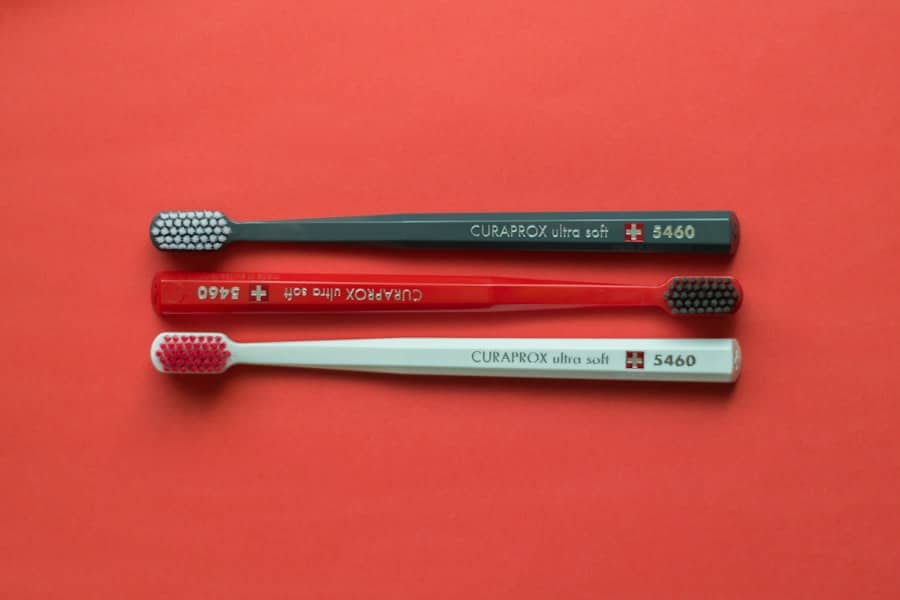
Preventing bad breath in your toddler starts with establishing a solid oral hygiene routine. Encourage your child to brush their teeth at least twice a day using fluoride toothpaste. Make brushing fun by using colorful toothbrushes or playing their favorite songs during the process.
You can also introduce flossing as they grow older, teaching them how to clean between their teeth effectively. Regular dental check-ups are essential as well; these visits can help identify any potential issues early on. In addition to oral hygiene, consider your toddler’s diet.
Limiting sugary snacks and drinks can significantly reduce the risk of bad breath. Instead, offer healthy alternatives like fruits and vegetables, which not only promote good oral health but also help freshen breath naturally. Drinking plenty of water throughout the day is another effective strategy; hydration helps wash away food particles and bacteria that contribute to unpleasant odors.
When to seek professional help for your toddler’s bad breath
While occasional bad breath may not be a cause for concern, there are times when you should seek professional help for your toddler’s halitosis. If you notice that your child’s bad breath persists despite good oral hygiene practices, it may be time to consult a pediatric dentist or your family doctor. Persistent bad breath can indicate underlying health issues that require attention, such as dental cavities or infections.
Additionally, if your toddler exhibits other symptoms alongside bad breath—such as difficulty swallowing, excessive drooling, or changes in appetite—it’s crucial to seek medical advice promptly. These signs could point to more serious conditions that need to be addressed. Remember, early intervention is key in preventing further complications and ensuring your child’s overall health.
The importance of oral hygiene in preventing bad breath
Oral hygiene is the cornerstone of preventing bad breath in toddlers. Establishing a consistent routine not only helps keep their mouths clean but also instills lifelong habits that promote good dental health. Teaching your child how to brush their teeth properly is essential; ensure they brush for at least two minutes and reach all areas of their mouth, including the back molars where food particles often accumulate.
In addition to brushing, regular flossing is vital as it removes debris from between teeth that a toothbrush may miss. As your child grows older and develops more teeth, introducing flossing into their routine will become increasingly important. You can make this process enjoyable by using flavored dental floss or fun flossing tools designed for children.
By prioritizing oral hygiene from an early age, you set the foundation for a lifetime of healthy habits.
Foods and drinks that can contribute to bad breath in toddlers
Certain foods and drinks can significantly contribute to your toddler’s bad breath. Sugary snacks and beverages are notorious culprits; they not only promote bacterial growth but also leave residues that linger in the mouth. Foods high in sugar can lead to tooth decay, which further exacerbates halitosis.
It’s wise to limit treats like candy and soda while encouraging healthier options. Additionally, some foods with strong odors can also affect your child’s breath. Garlic and onions are prime examples; while they may be delicious additions to meals, they can leave a lingering smell that persists even after brushing.
Encouraging a balanced diet rich in fruits and vegetables can help combat these odors naturally. Foods like apples and carrots act as natural toothbrushes, helping to clean teeth while freshening breath.
How to talk to your toddler about the importance of good oral hygiene
Communicating with your toddler about the importance of good oral hygiene requires patience and creativity. Start by explaining why brushing their teeth is essential in simple terms they can understand. You might say something like, “Brushing helps keep our teeth strong and our mouths fresh!” Use relatable examples from their daily life—like how washing hands keeps them clean—to draw parallels between hygiene practices.
Make the conversation engaging by incorporating fun stories or characters that emphasize good dental habits. You could read books about brushing teeth or watch educational videos together that highlight the importance of oral care. By making these discussions enjoyable and interactive, you’ll foster a positive attitude toward oral hygiene in your child.
Natural remedies for treating bad breath in toddlers
If you’re looking for natural remedies to help treat your toddler’s bad breath, there are several options you can explore. One effective method is encouraging your child to drink plenty of water throughout the day. Staying hydrated helps wash away food particles and bacteria that contribute to unpleasant odors.
You might also consider offering herbal teas like chamomile or peppermint, which can have soothing effects on the digestive system and freshen breath. Another natural remedy involves using baking soda as a gentle mouth rinse. Mixing a small amount of baking soda with water creates an effective solution that neutralizes odors in the mouth.
However, ensure that your toddler understands not to swallow the mixture; supervision during this process is essential. Additionally, incorporating crunchy fruits and vegetables into their diet—such as apples and celery—can help scrub teeth naturally while promoting fresh breath. By understanding the causes of bad breath in toddlers and addressing them through proper hygiene practices and dietary choices, you can help ensure your child maintains a healthy smile and fresh breath throughout their early years.
If you are concerned about your toddler’s bad breath, it may be a sign of underlying oral health issues that need to be addressed. A related article on the impact of oral health on overall health discusses how poor oral hygiene can lead to various health problems beyond just bad breath. It is important to take your child to a dentist, such as one in Boynton Beach, Florida, to ensure their oral health is properly maintained. Attending dental conferences and workshops can also provide valuable information on how to prevent and treat oral health issues in children. For more information, visit here.
FAQs
What causes bad breath in toddlers?
Bad breath in toddlers can be caused by a variety of factors, including poor oral hygiene, dry mouth, certain foods, sinus infections, and dental issues such as cavities or gum disease.
How can I prevent bad breath in my toddler?
To prevent bad breath in toddlers, it’s important to establish good oral hygiene habits, such as brushing their teeth twice a day, using a tongue scraper, and encouraging them to drink plenty of water. Avoiding sugary and acidic foods can also help prevent bad breath.
When should I be concerned about my toddler’s bad breath?
If your toddler’s bad breath persists despite good oral hygiene habits, or if it is accompanied by other symptoms such as fever, swollen gums, or difficulty eating, it’s important to consult a pediatrician or dentist to rule out any underlying health issues.
Can certain medical conditions cause bad breath in toddlers?
Yes, certain medical conditions such as sinus infections, tonsillitis, and acid reflux can cause bad breath in toddlers. It’s important to consult a healthcare professional if you suspect that your toddler’s bad breath is related to a medical condition.