
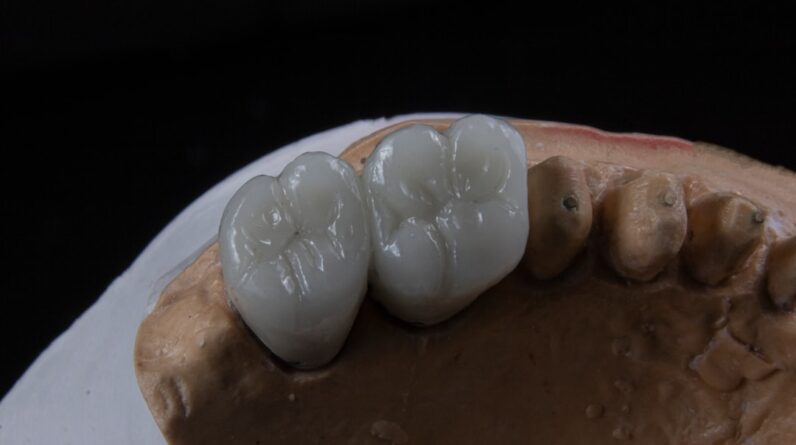
Mini dental implants are a smaller version of traditional dental implants, designed to provide a stable foundation for replacement teeth. These implants are typically about half the diameter of standard implants, making them less invasive and often easier to place. They consist of a titanium post that is inserted into the jawbone, which serves as an anchor for a dental crown or denture.
The reduced size of mini dental implants allows for their use in areas where there may not be enough bone density to support a traditional implant, making them an appealing option for many patients. You may find that mini dental implants are particularly beneficial if you have experienced tooth loss and are looking for a solution that requires less surgical intervention. The smaller size means that they can often be placed with less discomfort and a shorter recovery time.
Additionally, mini dental implants can be used in conjunction with other dental procedures, providing versatility in treatment options. As you explore your choices for tooth replacement, understanding the unique characteristics of mini dental implants can help you make an informed decision.
Key Takeaways
- Mini dental implants are smaller versions of traditional dental implants, used to support dentures and dental crowns.
- Benefits of mini dental implants include less invasive procedure, shorter healing time, and lower cost compared to traditional implants.
- Mini dental implants may be right for you if you have insufficient bone mass for traditional implants or if you are looking for a quicker and more affordable solution.
- The procedure for getting mini dental implants involves a simple surgical placement of the implant into the jawbone, followed by attaching the dental restoration.
- Mini dental implants are compared to traditional implants in terms of size, cost, and suitability for patients with bone loss.
- The cost of mini dental implants is generally lower than traditional implants, making them a more affordable option for many patients.
- Finding a qualified mini dental implant provider in Chandler, AZ involves researching their experience, credentials, and patient reviews.
- Aftercare and maintenance for mini dental implants include regular oral hygiene practices and periodic check-ups with the dentist.
- Potential risks and complications of mini dental implants may include infection, implant failure, and nerve damage.
- Success rates of mini dental implants are high, with many patients reporting improved chewing ability and overall satisfaction with their dental restoration.
Benefits of Mini Dental Implants
One of the primary benefits of mini dental implants is their minimally invasive nature. Because they require less bone preparation and can often be placed without the need for extensive surgical procedures, you may experience less discomfort and a quicker recovery time compared to traditional implants. This can be particularly advantageous if you are anxious about dental procedures or have a busy schedule that makes extended recovery periods challenging.
Another significant advantage is the cost-effectiveness of mini dental implants. Generally, they are less expensive than traditional implants due to their simpler placement process and the reduced need for additional procedures, such as bone grafting. This affordability can make them an attractive option for individuals who may be concerned about the financial implications of dental restoration.
Furthermore, mini dental implants can enhance your quality of life by restoring your ability to chew and speak comfortably, allowing you to enjoy your favorite foods and engage in social interactions without hesitation.
Are Mini Dental Implants Right for You?
Determining whether mini dental implants are the right choice for you involves considering several factors, including your oral health, bone density, and personal preferences. If you have experienced significant bone loss in your jaw but still wish to pursue dental implants, mini implants may be a suitable alternative. Their smaller size allows them to be placed in areas where traditional implants might not fit, providing you with a viable option for tooth replacement.
It’s essential to consult with a qualified dental professional who can assess your specific situation and recommend the best course of action. They will evaluate your overall oral health, discuss your goals for treatment, and help you understand the potential benefits and limitations of mini dental implants. By engaging in an open dialogue with your dentist, you can make an informed decision that aligns with your needs and lifestyle.
The Procedure for Getting Mini Dental Implants
The procedure for getting mini dental implants typically begins with a comprehensive consultation and examination by your dentist. During this initial visit, they will take X-rays and possibly 3D images of your jaw to assess bone density and determine the best placement for the implants. Once you and your dentist have agreed on a treatment plan, the next step is the actual placement of the mini implants.
The placement procedure is usually performed under local anesthesia to ensure your comfort. Your dentist will create a small incision in your gum tissue to expose the jawbone, where they will then insert the mini implant using specialized tools. The process is generally quicker than traditional implant placement, often taking less than an hour for multiple implants.
After the implants are placed, you may receive temporary crowns while your gums heal and the implants integrate with the bone. This healing period typically lasts a few months before permanent crowns are attached.
Comparing Mini Dental Implants to Traditional Implants
When comparing mini dental implants to traditional implants, several key differences emerge that may influence your decision. One of the most notable distinctions is their size; mini implants are smaller in diameter and length, which allows them to be placed in areas with limited bone density. This characteristic makes them an appealing option for patients who may not qualify for traditional implants due to insufficient bone structure.
Another difference lies in the surgical procedure itself. Mini dental implants often require less invasive techniques and can frequently be placed without the need for extensive bone grafting or sinus lifts. This means that you may experience less discomfort and a shorter recovery time compared to traditional implant procedures.
However, it’s important to note that while mini implants offer many advantages, they may not be suitable for every patient or every situation. Your dentist will help you weigh these factors based on your individual needs.
Cost of Mini Dental Implants

The cost of mini dental implants can vary significantly based on several factors, including the complexity of your case, the number of implants needed, and the specific provider you choose. Generally speaking, mini dental implants tend to be more affordable than traditional implants due to their simpler placement process and reduced need for additional procedures like bone grafting. This cost-effectiveness can make them an attractive option for individuals seeking tooth replacement solutions without breaking the bank.
Insurance coverage is another aspect to consider when evaluating the cost of mini dental implants. Some dental insurance plans may cover a portion of the expenses associated with implant placement, while others may not provide coverage at all. It’s advisable to check with your insurance provider to understand what benefits may apply to your situation.
Additionally, many dental practices offer financing options or payment plans that can help make the cost more manageable, allowing you to pursue the treatment you need without financial strain.
Finding a Qualified Mini Dental Implant Provider in Chandler, AZ
When searching for a qualified provider for mini dental implants in Chandler, AZ, it’s essential to do your research and consider several factors before making a decision. Start by seeking recommendations from friends or family members who have undergone similar procedures or consult online reviews to gauge patient satisfaction with various providers in your area. Look for dentists who specialize in implant dentistry and have extensive experience with mini dental implants specifically.
Once you have identified potential providers, schedule consultations to discuss your needs and ask questions about their approach to treatment. During these visits, pay attention to how comfortable you feel with the dentist and their staff, as well as their willingness to address your concerns. A qualified provider will take the time to explain the procedure thoroughly and provide you with a clear understanding of what to expect throughout the process.
Aftercare and Maintenance for Mini Dental Implants
After receiving mini dental implants, proper aftercare is crucial for ensuring their longevity and success. Your dentist will provide specific instructions on how to care for your new implants, which may include recommendations for oral hygiene practices such as brushing and flossing around the implant site. Maintaining good oral hygiene is essential in preventing infection and ensuring that your gums remain healthy.
Regular follow-up appointments with your dentist will also play a vital role in monitoring the health of your mini dental implants. These visits allow your dentist to assess how well the implants are integrating with your jawbone and address any concerns that may arise over time. By adhering to these aftercare guidelines and maintaining open communication with your dental provider, you can help ensure that your mini dental implants remain functional and aesthetically pleasing for years to come.
Potential Risks and Complications of Mini Dental Implants
While mini dental implants are generally considered safe and effective, like any medical procedure, they do carry some potential risks and complications. One common concern is infection at the implant site, which can occur if proper aftercare is not followed or if there are underlying health issues that affect healing. It’s essential to adhere to your dentist’s aftercare instructions closely to minimize this risk.
Another potential complication is implant failure, which can happen if the implant does not properly integrate with the jawbone or if there is excessive stress placed on it during healing. Factors such as smoking, poor oral hygiene, or certain medical conditions can increase the likelihood of complications arising. By discussing any concerns with your dentist before undergoing the procedure and following their recommendations afterward, you can help mitigate these risks.
Success Rates of Mini Dental Implants
The success rates of mini dental implants are generally high, often comparable to those of traditional implants. Studies indicate that mini dental implants have a success rate ranging from 80% to 90%, depending on various factors such as patient health, oral hygiene practices, and adherence to aftercare instructions. Many patients report satisfaction with their mini implants due to their functionality and improved quality of life.
It’s important to remember that individual results may vary based on personal circumstances. Factors such as bone density, overall health, and lifestyle choices can influence the long-term success of mini dental implants. By working closely with your dentist throughout the process and maintaining good oral hygiene practices post-placement, you can enhance the likelihood of achieving successful outcomes.
Testimonials from Patients Who Have Received Mini Dental Implants
Hearing from patients who have undergone mini dental implant procedures can provide valuable insights into what you might expect from this treatment option. Many individuals share positive experiences regarding their journey toward restoring their smiles and improving their quality of life through mini dental implants. Patients often express relief at how minimally invasive the procedure was compared to their expectations and appreciate the quick recovery time.
Testimonials frequently highlight how mini dental implants have transformed not only their smiles but also their confidence levels. Many patients report being able to eat their favorite foods again without discomfort or worry about their dentures slipping out of place. These personal stories serve as powerful reminders of how effective mini dental implants can be in restoring both function and aesthetics in those seeking solutions for tooth loss.
In conclusion, exploring mini dental implants as an option for tooth replacement offers numerous benefits worth considering. From their minimally invasive nature to their cost-effectiveness and high success rates, they present an appealing alternative for many individuals facing tooth loss challenges. By consulting with qualified professionals and understanding both the advantages and potential risks associated with this treatment option, you can make informed decisions that align with your oral health goals.
If you’re considering Mini Dental Implants in Chandler, AZ, you might find it helpful to read about the various options available for dental restoration. A related article on prosthodontics can provide valuable insights into how these specialists can assist with implant procedures and other restorative treatments. For more information, check out this article on Prosthodontics.
FAQs
What are mini dental implants?
Mini dental implants are smaller versions of traditional dental implants, typically measuring less than 3mm in diameter. They are used to support dentures, bridges, or crowns in the same way as regular implants, but are often preferred for patients with insufficient bone mass or those who prefer a less invasive procedure.
What are the benefits of mini dental implants?
Mini dental implants offer several benefits, including a less invasive procedure, shorter healing time, and reduced discomfort compared to traditional implants. They are also often more affordable and can be used in cases where traditional implants are not feasible due to bone loss.
How are mini dental implants placed?
The placement of mini dental implants involves a minimally invasive procedure where the implants are inserted directly into the jawbone. This is typically done under local anesthesia, and the healing process is usually quicker compared to traditional implants.
Are mini dental implants suitable for everyone?
Mini dental implants may not be suitable for everyone, as their use depends on individual factors such as bone density and overall oral health. It is important to consult with a qualified dentist or oral surgeon to determine if mini dental implants are the right option for your specific needs.
What is the cost of mini dental implants in Chandler, AZ?
The cost of mini dental implants in Chandler, AZ can vary depending on the specific treatment plan, the number of implants needed, and other factors. It is best to consult with a dental provider in the area to get an accurate estimate for your individual case.


