
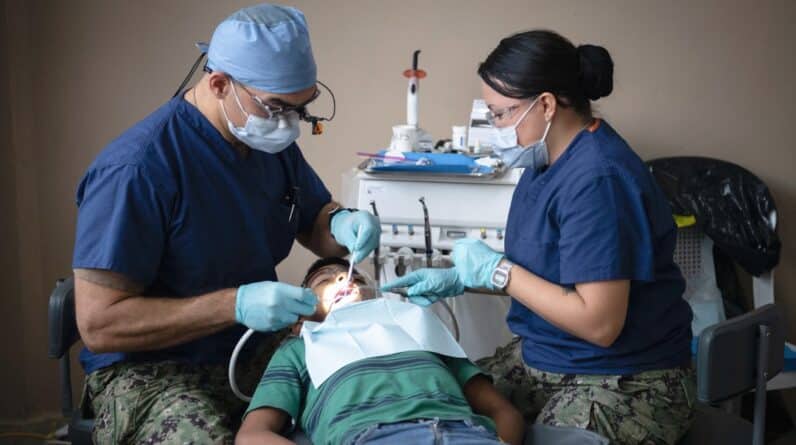
Preventive dental care is the cornerstone of maintaining a healthy smile and overall well-being. You may not realize it, but the health of your teeth and gums can significantly influence your quality of life. By prioritizing preventive measures, you can avoid painful dental procedures, save money on extensive treatments, and ensure that your mouth remains a source of confidence rather than concern.
Regular attention to your dental health can help you catch potential issues before they escalate, allowing you to maintain optimal oral hygiene and a radiant smile. Moreover, preventive dental care is not just about avoiding cavities or gum disease; it encompasses a holistic approach to your health. When you invest time in preventive practices, you are also taking steps to enhance your overall health.
Research has shown that poor oral health can lead to systemic issues such as heart disease, diabetes, and respiratory problems. By focusing on preventive care, you are not only safeguarding your teeth but also contributing to your overall health and longevity.
Key Takeaways
- Preventive dental care is essential for maintaining good oral health and preventing dental issues.
- Regular dental check-ups and cleanings are crucial for early detection and treatment of dental problems.
- Proper brushing and flossing techniques are important for maintaining healthy teeth and gums.
- Nutrition plays a significant role in dental health, and a balanced diet can help prevent dental issues.
- Fluoride treatments offer benefits such as strengthening tooth enamel and preventing tooth decay.
Regular Dental Check-ups and Cleanings
Scheduling regular dental check-ups and cleanings is one of the most effective ways to maintain your oral health. You should aim to visit your dentist at least twice a year for these appointments. During a check-up, your dentist will conduct a thorough examination of your teeth and gums, looking for any signs of decay or disease.
This proactive approach allows for early detection of potential problems, which can be addressed before they develop into more serious issues. In addition to examinations, professional cleanings are essential for removing plaque and tartar buildup that regular brushing and flossing may miss. Even with diligent home care, certain areas in your mouth can harbor bacteria that lead to cavities and gum disease.
A dental hygienist will use specialized tools to clean these hard-to-reach areas, ensuring that your mouth is as healthy as possible. By committing to regular check-ups and cleanings, you are taking a significant step toward preserving your dental health.
Proper Brushing and Flossing Techniques
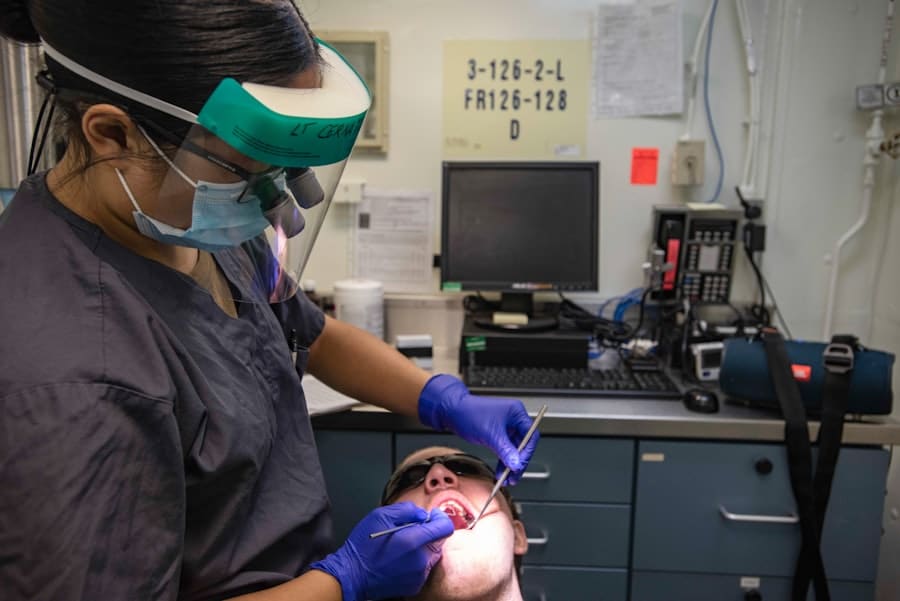
While regular dental visits are crucial, the foundation of good oral hygiene lies in your daily brushing and flossing habits. You should brush your teeth at least twice a day for two minutes each time, using a fluoride toothpaste. It’s important to use the correct technique: hold your toothbrush at a 45-degree angle to your gums and use gentle circular motions to clean the surfaces of your teeth.
Don’t forget to brush your tongue as well, as bacteria can accumulate there and contribute to bad breath. Flossing is equally important in your oral care routine. Many people underestimate its significance, but flossing helps remove food particles and plaque from between your teeth where your toothbrush cannot reach.
You should aim to floss at least once a day, using a gentle sawing motion to guide the floss between your teeth. If you find traditional floss challenging to use, consider alternatives like floss picks or water flossers. By mastering these techniques, you can significantly reduce your risk of cavities and gum disease.
The Role of Nutrition in Dental Health
Your diet plays a pivotal role in maintaining good dental health. What you eat directly affects the condition of your teeth and gums. Foods high in sugar can lead to tooth decay, as sugar feeds the bacteria in your mouth that produce acid, eroding tooth enamel.
To protect your smile, focus on incorporating nutrient-rich foods into your diet. Fresh fruits and vegetables, whole grains, lean proteins, and dairy products are excellent choices that promote strong teeth and healthy gums. Additionally, staying hydrated is essential for maintaining saliva production, which acts as a natural defense against cavities.
Drinking plenty of water helps wash away food particles and neutralizes acids produced by bacteria in your mouth. If you consume acidic beverages like soda or fruit juices, try to do so in moderation and rinse your mouth with water afterward. By being mindful of your nutrition, you can create an environment in your mouth that supports optimal dental health.
The Benefits of Fluoride Treatments
Fluoride treatments are an effective preventive measure that can significantly enhance your dental health. Fluoride is a naturally occurring mineral that strengthens tooth enamel and makes it more resistant to decay. Many communities add fluoride to their drinking water supply, but additional treatments from your dentist can provide an extra layer of protection.
These treatments are especially beneficial for children, who are still developing their permanent teeth. During a fluoride treatment, your dentist will apply a concentrated fluoride solution directly to your teeth. This process is quick and painless, yet it offers long-lasting benefits by helping to remineralize areas of enamel that may have begun to weaken.
If you or your child are at higher risk for cavities due to factors like diet or oral hygiene habits, discussing fluoride treatments with your dentist can be an excellent way to bolster your preventive care strategy.
The Importance of Sealants for Children
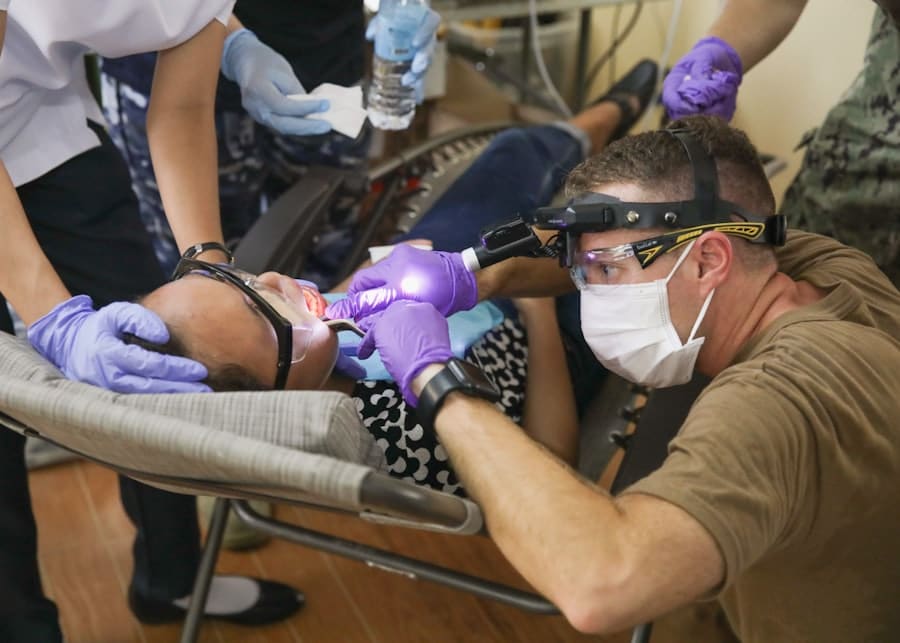
Dental sealants are another valuable tool in preventive dental care, particularly for children. These thin plastic coatings are applied to the chewing surfaces of back teeth, where cavities often develop due to their deep grooves and pits. Sealants act as a barrier against food particles and bacteria, significantly reducing the risk of decay in these vulnerable areas.
The application process is quick and painless; after cleaning the tooth surface, the dentist applies the sealant material and cures it with a special light. Sealants can last several years with proper care, making them an effective long-term solution for protecting children’s teeth as they grow. By investing in sealants for your child’s teeth, you are taking proactive steps to ensure their dental health during their formative years.
The Connection Between Oral Health and Overall Health
The link between oral health and overall health is becoming increasingly recognized in the medical community. You may be surprised to learn that poor oral hygiene can contribute to various systemic conditions such as heart disease, diabetes, and even respiratory infections. Bacteria from gum disease can enter the bloodstream and affect other parts of the body, leading to inflammation and other health issues.
By maintaining good oral hygiene practices and seeking regular dental care, you are not only protecting your teeth but also supporting your overall health. This holistic approach emphasizes the importance of viewing oral health as an integral part of your general well-being. When you prioritize preventive dental care, you are making a positive impact on both your mouth and body.
The Role of X-rays in Preventive Dental Care
Dental X-rays play a crucial role in preventive dental care by allowing dentists to detect issues that may not be visible during a routine examination. These images provide valuable insights into the condition of your teeth, roots, and jawbone, helping identify problems such as cavities between teeth or bone loss due to gum disease. Regular X-rays can help track changes over time, enabling early intervention when necessary.
While some individuals may have concerns about radiation exposure from X-rays, modern technology has significantly reduced the amount of radiation used in dental imaging. Your dentist will determine the appropriate frequency for X-rays based on your individual needs and risk factors. By embracing this diagnostic tool as part of your preventive care routine, you can ensure that any potential issues are addressed promptly.
The Importance of Early Detection and Treatment of Dental Issues
Early detection is key when it comes to managing dental issues effectively. You may not always notice the early signs of decay or gum disease until they become more serious problems requiring extensive treatment. Regular dental check-ups allow for timely identification of these issues before they escalate into painful or costly procedures.
When dental problems are caught early, treatment options are often less invasive and more effective. For example, a small cavity can typically be treated with a simple filling if detected early on; however, if left untreated, it may progress into a root canal or extraction situation. By prioritizing early detection through regular visits to your dentist, you are taking proactive steps toward preserving both your smile and your overall dental health.
The Impact of Lifestyle Choices on Dental Health
Your lifestyle choices have a profound impact on your dental health. Habits such as smoking or excessive alcohol consumption can lead to various oral health issues, including gum disease and oral cancer. Additionally, poor dietary choices—such as frequent snacking on sugary foods—can contribute to tooth decay and other problems.
Conversely, adopting healthy habits can significantly improve your oral health outcomes. Engaging in regular physical activity not only benefits your body but also promotes better blood circulation throughout the gums, which can enhance healing and reduce inflammation. By making conscious lifestyle choices that prioritize both physical fitness and nutrition, you can create a positive environment for maintaining optimal dental health.
Finding the Right Preventive Dental Care Provider in Chandler, AZ
Choosing the right preventive dental care provider is essential for ensuring that you receive high-quality care tailored to your needs. In Chandler, AZ, there are numerous options available; however, it’s important to do some research before making a decision. Start by seeking recommendations from friends or family members who have had positive experiences with local dentists.
Once you have a list of potential providers, consider scheduling consultations to discuss their approach to preventive care and ask about their qualifications and experience. Pay attention to how comfortable you feel during these visits; establishing a good rapport with your dentist is crucial for maintaining long-term oral health. By taking the time to find the right preventive dental care provider in Chandler, AZ, you are investing in a healthier future for yourself and your family.
Preventive dental care is essential for maintaining oral health and preventing more serious issues down the line. For those in Chandler, AZ, understanding the importance of regular check-ups and cleanings can make a significant difference. If you’re interested in learning more about dental solutions, you might find this article on